Rivers: A Natural Classroom for Alternative Schooling and Education
Introduction:
When we think of alternative schooling and education, traditional classrooms may not be the first thing that comes to mind. Instead, we envision hands-on experiences, real-world connections, and a focus on holistic learning. One incredible resource that perfectly aligns with these principles is rivers. Rivers are not only a vital part of our ecosystems but also offer unique opportunities for experiential learning. In this article, we will explore how rivers can serve as natural classrooms for alternative schooling and education.
1. Interdisciplinary Learning:
One of the key benefits of using rivers as educational tools is their interdisciplinary nature. Rivers encompass various subjects such as science, geography, history, ecology, mathematics, and even art. By exploring different aspects of rivers in an integrated manner, students can develop a deeper understanding of these subjects while making connections between them.
For instance, in science classes, students can study the hydrological cycle through observing how water flows within a river system or learn about erosion by examining riverbanks. They can also explore the chemical composition of water or investigate aquatic life forms to understand ecological interactions.
In geography classes, students can examine the journey of a river from its source to its mouth and understand concepts like watersheds and drainage basins. They can also analyze how rivers shape landscapes or study the impact of human activities on river systems.
2. Environmental Awareness:
Rivers provide an excellent platform for fostering environmental awareness among students. Through firsthand experiences with rivers’ ecosystems and habitats, they develop empathy towards nature while gaining knowledge about conservation efforts.
Alternative schools often prioritize sustainability practices and environmental stewardship; therefore integrating rivers into their curriculum aligns perfectly with these values. Students can actively participate in clean-up drives along riverbanks or engage in citizen science projects related to water quality monitoring or species identification.
By immersing themselves in these activities outside traditional classroom settings – whether it’s collecting water samples or identifying different species of fish – students gain a deeper appreciation for the importance of rivers and become advocates for their preservation.
3. Experiential Learning:
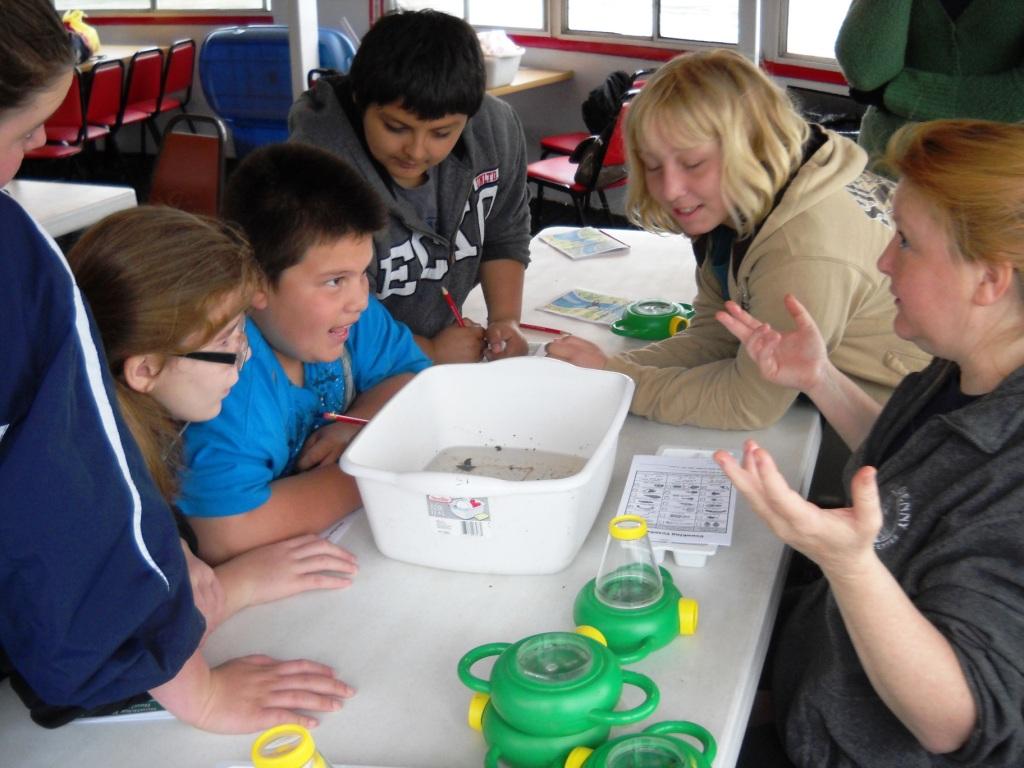
Rivers offer an ideal setting for experiential learning, where students can engage directly with their environment rather than just studying it from textbooks. This hands-on approach not only enhances understanding but also promotes critical thinking skills and problem-solving abilities.
For instance, alternative schools can organize field trips to nearby rivers where students can conduct experiments related to water flow or collect data on riverbed composition. They can also use mapping techniques to understand the river’s physical features and its impact on surrounding landscapes.
Additionally, through activities like kayaking or canoeing, students develop teamwork skills while navigating the challenges posed by a moving body of water. These experiences help them build resilience, adaptability, and self-confidence as they overcome obstacles in real-time.
4. Cultural Connections:
Rivers have played a significant role in shaping human civilization throughout history. From early settlements near fertile river valleys to industrialization along major waterways, rivers have influenced cultures across the globe.
By incorporating this historical context into lessons about rivers, alternative schools allow students to make cultural connections that enrich their understanding of society. They can study ancient civilizations such as Mesopotamia or Egypt that thrived due to their proximity to rivers like the Tigris-Euphrates or Nile respectively. Students can also explore how industries developed around specific rivers and analyze the economic impact on local communities.
5. Community Engagement:
Alternative schooling often emphasizes community engagement as an integral part of education. Rivers provide opportunities for collaboration between schools and local organizations dedicated to preserving these natural resources.
Students can actively participate in restoration projects focused on rejuvenating degraded river ecosystems or assist in educational outreach programs aimed at raising awareness among community members about sustainable practices near riverside areas.
These collaborative efforts not only deepen their connection with nature but also foster a sense of responsibility towards their communities. Students learn that their actions can have a positive impact on the environment and inspire others to take similar steps.
Conclusion:
Rivers offer an abundance of educational opportunities for alternative schools, providing a dynamic and engaging learning environment. By incorporating rivers into their curriculum, educators can facilitate interdisciplinary learning, foster environmental awareness, promote experiential learning, encourage cultural connections, and engage students with their local communities.
As we strive to provide holistic education that prepares students for the challenges of the future, let us not forget the vast potential that rivers hold as natural classrooms. Let us embrace these flowing wonders as essential tools in alternative schooling and education.
 Alternative Amie
Leave a comment