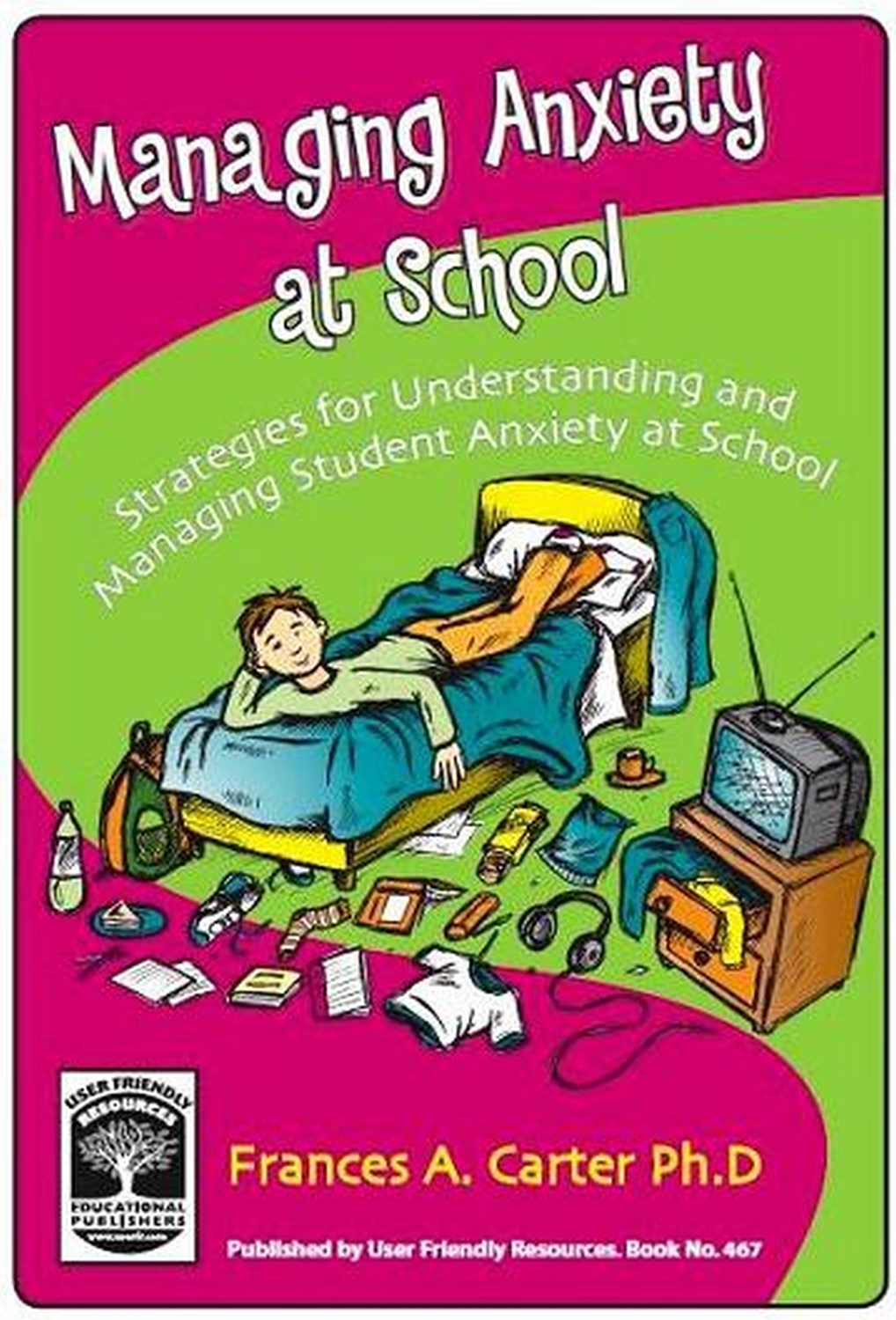
Anxiety: Navigating the Challenges and Embracing Alternative Schooling
Introduction:
Education is a fundamental aspect of our lives, shaping our future and providing us with valuable skills and knowledge. However, for many students, the traditional school setting can be overwhelming due to various factors such as large class sizes, rigid curriculums, peer pressure, and high expectations. These challenges can exacerbate anxiety in students, making it difficult for them to thrive academically and emotionally.
In recent years, alternative schooling options have emerged as a viable solution for individuals who struggle with anxiety or other mental health issues. These educational approaches prioritize student well-being while providing an environment that encourages growth and self-discovery. In this article, we will explore anxiety in the context of education and delve into how alternative schooling can help students navigate these challenges.
Understanding Anxiety:
Anxiety is a natural response to stress that everyone experiences at some point in their lives. It serves as a protective mechanism by heightening our awareness in potentially dangerous situations. However, when anxiety becomes excessive or irrational, it can significantly impact daily life activities.
For students with anxiety disorders such as generalized anxiety disorder (GAD), social anxiety disorder (SAD), or panic disorder (PD), attending traditional schools can be exceptionally challenging. The constant pressure to perform well academically combined with social interactions creates an overwhelming environment that triggers anxious thoughts and physical symptoms like racing heartbeats or shortness of breath.
The Impact of Traditional Schooling on Anxiety:
Traditional schools often follow standardized curriculums aimed at achieving academic excellence but may overlook individual needs related to mental health conditions such as anxiety. Here are some ways in which traditional schooling environments contribute to heightened levels of anxiety:
1. Large Class Sizes: Educational institutions frequently have overcrowded classrooms where teachers struggle to give personalized attention to each student. This lack of individualized support can intensify feelings of inadequacy among anxious students.
2. High-Stakes Evaluations: Frequent exams, standardized tests, and performance evaluations can create immense pressure on students, triggering anxiety symptoms. The fear of failure or not meeting expectations further exacerbates the issue.
3. Social Pressure: Traditional schools often emphasize social interactions, group activities, and public speaking. For students with social anxiety disorder (SAD), these situations can be incredibly distressing and impede their ability to learn effectively.
4. Bullying and Peer Pressure: Anxiety-prone individuals are more susceptible to bullying or peer pressure due to their heightened sensitivity. Traditional school settings may not always provide adequate support systems to address these issues effectively.
Alternative Schooling as a Solution:
Alternative schooling options prioritize individual needs, offering tailored approaches that accommodate diverse learning styles while fostering an inclusive and supportive atmosphere. Here are some ways in which alternative schools address anxiety-related challenges:
1. Small Class Sizes: Alternative schools often maintain smaller class sizes that allow for more personalized attention from teachers and foster stronger teacher-student relationships. This individualized support helps reduce feelings of isolation and inadequacy among anxious students.
2. Flexible Curriculums: Unlike traditional schools bound by rigid curriculums, alternative schools offer flexibility in course selection and pace of learning. Students can explore subjects that align with their interests while progressing at a comfortable speed for better academic engagement.
3. Emphasis on Well-being: Alternative schools recognize the importance of mental health alongside academic achievement. They incorporate practices such as mindfulness exercises, therapy sessions, or stress management workshops into their daily routines to help students cope with anxiety effectively.
4.Supportive Environment: These educational institutions cultivate a nurturing environment where empathy, acceptance, and respect are fundamental values upheld by both staff members and fellow students alike.
5.Creative Learning Opportunities: Alternative education promotes experiential learning through hands-on activities like arts programs or community service projects that encourage self-expression without judgment or undue pressure.
Conclusion:
Anxiety can significantly hinder a student’s ability to thrive academically and emotionally in traditional school settings. Recognizing the unique challenges faced by anxious students, alternative schooling options have emerged as valuable alternatives that prioritize individual well-being while fostering academic growth.
By offering smaller class sizes, flexible curriculums, and an emphasis on mental health, alternative schools create supportive environments where anxious students can flourish. The focus on creative learning opportunities and personalized approaches helps alleviate anxiety-related symptoms and empowers students to embrace their unique strengths.
As more individuals recognize the benefits of alternative schooling for anxiety-prone students, we move closer to creating educational landscapes that prioritize holistic development over rigid standards. By embracing these progressive approaches, we can ensure that every student has the opportunity to excel academically while nurturing their emotional well-being.
 Alternative Amie
Leave a comment