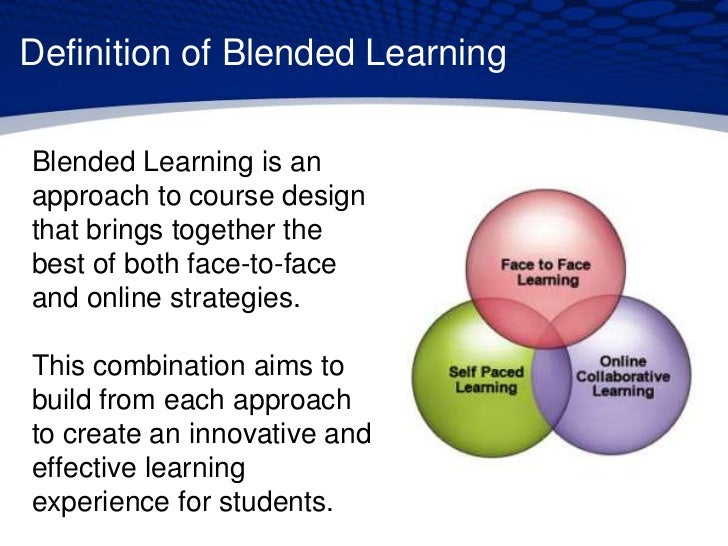
Blended learning, a combination of traditional classroom instruction and online digital resources, has gained popularity in recent years due to its potential to enhance student engagement and personalize learning experiences. However, as with any educational approach, it is important to address equity and access issues to ensure that all students have equal opportunities for success.
One major challenge in implementing blended learning is the availability of technology resources. While many schools have invested in technology infrastructure, not all students may have access to devices or reliable internet connection at home. To bridge this gap, schools can provide loaner devices or establish after-school computer labs where students can access online materials. Additionally, partnering with community organizations or local libraries can offer alternative locations for students without internet access at home.
Another aspect of equity concerns the quality and relevance of online content. It is crucial for educators to carefully select digital resources that align with curriculum standards and cater to diverse learners’ needs. Providing multiple options such as printed materials or audio recordings ensures that students with different learning styles can engage effectively.
Furthermore, addressing language barriers is essential in promoting equity in blended learning environments. Schools should invest in multilingual platforms and provide support for English language learners (ELLs) through translated instructions and subtitles. Culturally responsive teaching strategies should also be incorporated into blended learning practices to foster inclusivity.
Lastly, professional development plays a vital role in ensuring equitable implementation of blended learning. Educators must receive training on how to use technology effectively and make accommodations for diverse learners’ needs. Collaboration among teachers allows best practices sharing which ultimately benefits all students.
In conclusion, while blended learning offers great potential for enhancing education outcomes, addressing equity and access issues is critical for its successful implementation. By providing necessary technological resources, selecting high-quality content, catering to linguistic diversity, and offering professional development opportunities for educators, we can create an inclusive environment where every student has an equal opportunity to thrive through blended learning approaches.
 Alternative Amie
Leave a comment