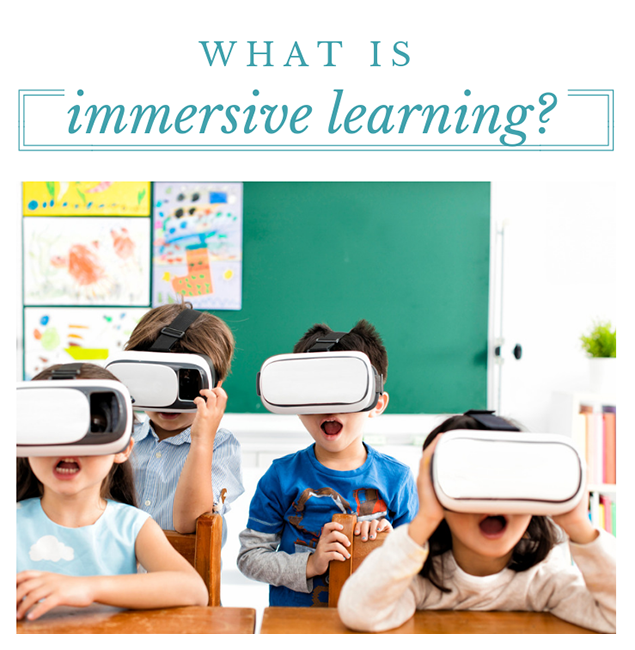
Experiential Learning: Where Knowledge Meets Adventure
Education is an adventure, or at least it should be. And what better way to embark on this exciting journey than through experiential learning? It’s time to ditch the traditional classroom and dive headfirst into a world of hands-on experiences that not only educate but also entertain.
So, what exactly is experiential learning? Well, think of it as learning by doing. It’s all about getting out there and actively engaging with the subject matter rather than passively absorbing information from textbooks. Experiential learning takes education beyond the confines of four walls and opens up a whole new realm of possibilities.
Now, you might be wondering why anyone would trade their cozy desk for an adventurous escapade in the name of education. Fair question! Let me break it down for you:
1. Engage your senses:
Experiential learning taps into our innate curiosity by allowing us to see, touch, taste, hear, and smell things firsthand. This multi-sensory approach creates lasting memories that are far more vivid than anything we could learn from a PowerPoint presentation or lecture.
Imagine studying marine biology by diving into crystal-clear waters alongside colorful coral reefs or exploring history by walking in the footsteps of ancient civilizations. These immersive experiences stimulate our senses and leave us with a deeper understanding and appreciation for the subject matter.
2. Foster creativity:
Traditional classrooms can often stifle creativity with rigid structures and standardized tests. Experiential learning flips the script by encouraging students to think outside the box and find innovative solutions to real-world problems.
Whether it’s building a working model of renewable energy sources or creating art inspired by nature during a camping trip, experiential learning provides ample opportunities for creative expression. By embracing unconventional methods, students develop critical thinking skills while simultaneously enjoying themselves – talk about killing two birds with one stone!
3. Develop life skills:
Academics are important, but let’s not forget that education is also about preparing students for life beyond the classroom. Experiential learning excels at this by offering invaluable opportunities to develop a wide range of practical skills.
From teamwork and leadership to problem-solving and adaptability, experiential learning provides a real-world context in which these skills can be honed. Activities like group projects, outdoor challenges, or even starting a small business during an entrepreneurship program allow students to learn from their successes and failures – invaluable lessons that textbooks simply cannot teach.
4. Make learning meaningful:
One common complaint about traditional education is its apparent lack of relevance to the real world. Many students struggle to see how the information they’re memorizing will ever come in handy outside of exams.
Experiential learning bridges this gap by connecting classroom knowledge with real-life experiences. Suddenly, algebra becomes a tool for calculating distances while hiking or physics becomes essential when designing and launching model rockets. By making these connections, experiential learning makes education more meaningful and memorable.
5. Embrace diversity:
Education should celebrate diversity – both in terms of people and ideas. Experiential learning embraces this wholeheartedly by bringing together individuals from different backgrounds and encouraging them to share their unique perspectives.
Imagine participating in a cultural exchange program where you live with host families from different countries or embarking on an ecological study abroad trip alongside students from around the globe. These experiences expose us to new cultures, languages, customs, and ways of thinking – broadening our horizons far beyond what any textbook could achieve.
Now that we understand why experiential learning is so beneficial let’s explore some exciting examples:
1. Outdoor Education:
Whether it’s camping trips, nature hikes, rock climbing expeditions or exploring biodiversity hotspots – outdoor education immerses students in the natural world while teaching them valuable life skills such as resilience, teamwork, and environmental stewardship. Plus, who wouldn’t want to learn about biology while spotting rare birds in a rainforest?
2. Project-Based Learning:
Project-based learning involves tackling real-world problems and challenges through hands-on projects. From designing sustainable buildings to creating community gardens or planning charity events – students get the chance to apply their knowledge in practical ways while making a positive impact on their communities.
3. Internships and Apprenticeships:
Nothing beats real-life work experience when it comes to preparing for future careers. Internships and apprenticeships allow students to gain firsthand industry experience under the guidance of professionals. This not only helps them develop practical skills but also gives them a taste of potential career paths.
4. Study Abroad Programs:
Studying abroad is an excellent way for students to immerse themselves in new cultures, languages, and educational systems while broadening their horizons. Whether it’s spending a semester at a foreign university or volunteering overseas, these programs provide valuable life experiences that shape individuals into global citizens.
5. Simulation Games:
Who says learning can’t be fun? Simulation games like business simulations or historical role-playing games offer an engaging way for students to learn complex concepts in a controlled environment. These interactive experiences encourage critical thinking, problem-solving, and strategic decision-making all while having a blast.
In conclusion, experiential learning offers an exciting alternative to traditional education by providing immersive experiences that engage our senses, foster creativity, develop essential life skills, make learning meaningful, and embrace diversity. So why settle for textbooks when you could be out there exploring the world? It’s time we unleash our inner adventurers and embrace education as the exhilarating journey it truly can be!
 Alternative Amie
Leave a comment