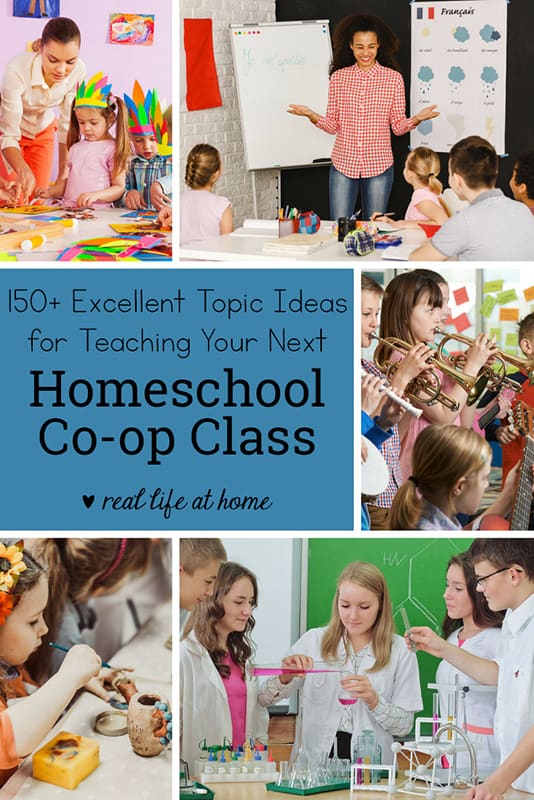
Homeschooling co-ops have become increasingly popular in recent years as more families choose alternative forms of education for their children. These cooperative learning environments provide a unique opportunity for students to learn and grow alongside their peers while also allowing parents to share the responsibility of teaching and curriculum planning. In this article, we will explore various homeschooling co-op models that cater to specific needs and interests, ranging from special needs support to environmental sustainability.
1. Homeschooling Co-ops for Children with Special Needs:
One of the main advantages of homeschooling is the ability to tailor education specifically to a child’s individual needs. Homeschooling co-ops for children with special needs take this customization one step further by providing specialized support and resources. These co-ops often include therapists, special education teachers, and other professionals who can assist in creating personalized educational plans.
2. Unschooling Approach in Homeschooling Co-ops:
Unschooling is an approach that emphasizes child-led learning and allows students to pursue their interests at their own pace. In homeschooling co-op settings, unschoolers come together to engage in collaborative projects, field trips, and group activities that promote self-directed learning while also fostering social connections.
3. Homeschooling Co-ops for Gifted and Talented Students:
For gifted learners who may not be challenged enough in traditional school settings, homeschooling co-ops offer a supportive environment where they can explore advanced topics and engage with like-minded peers. These co-ops often provide enrichment classes, mentorship opportunities, and access to resources specifically designed for gifted education.
4. Montessori-Inspired Homeschooling Co-ops:
Montessori methods focus on hands-on learning experiences that encourage independence and self-discovery within a prepared environment. In Montessori-inspired homeschooling cooperatives, parents work together to create an environment conducive to Montessori principles through materials sharing, cooperative play, and collaborative learning experiences.
5. Waldorf-Inspired Homeschooling Co-ops:
Waldorf education emphasizes holistic development and creativity through arts, crafts, and movement-based activities. In homeschooling co-ops following the Waldorf approach, families come together to create a nurturing environment that incorporates storytelling, nature exploration, artistic expression, and group activities inspired by Rudolf Steiner’s educational philosophy.
6. Reggio Emilia Approach in Homeschooling Co-ops:
The Reggio Emilia approach is centered around project-based learning and encourages children to explore their interests through hands-on experiences. In homeschooling co-op settings that embrace this model, parents collaborate on creating stimulating environments and facilitating open-ended projects where children can engage in self-discovery while working alongside their peers.
7. Homeschooling Co-ops Focused on Outdoor Education:
Outdoor education co-ops provide opportunities for children to connect with nature while engaging in experiential learning. These co-ops often organize outdoor excursions such as hiking trips, camping adventures, gardening projects, or environmental conservation initiatives to foster a deeper appreciation for the natural world.
8. Homeschooling Co-ops for Socialization and Community Building:
Socialization is often a concern raised when it comes to homeschooling; however, many homeschooling cooperatives prioritize social interaction by organizing regular gatherings like field trips, sports events, clubs or interest-based groups designed to facilitate friendships among homeschooled students while also building a sense of community among parents.
9. Secular Homeschooling Co-ops:
Secular homeschooling co-ops cater to families who prefer an education free from religious influence or dogma. These cooperative networks provide inclusive environments where families can share resources and support each other in fostering critical thinking skills without any specific religious affiliation.
10. Religious or Faith-Based Homeschooling Co-ops:
Conversely, faith-based homeschooling co-ops offer families the opportunity to integrate their religious beliefs into their children’s education. These co-ops often provide curriculum materials, support groups, and activities that align with specific faith traditions.
11. Homeschooling Co-ops for Single Parents:
Single parents who choose homeschooling face unique challenges, but there are cooperative models specifically designed to support them. These co-ops can offer resources such as flexible scheduling, shared teaching responsibilities, and community support to help single parents navigate the homeschooling journey.
12. Co-op Models that Incorporate Technology and Online Learning:
In today’s digital age, many homeschoolers utilize technology and online resources as part of their educational experience. Co-op models that incorporate technology may include virtual classes, online forums for collaboration or resource sharing, or even partnerships with online educational platforms.
13. Nature-Based Homeschooling Co-ops:
Nature-based homeschooling co-ops prioritize outdoor exploration and hands-on experiences in natural environments. These co-ops often provide nature-focused curricula, organize regular hikes or nature walks, and facilitate opportunities for students to learn about ecology and sustainability firsthand.
14. Art-Focused Homeschooling Co-ops:
Art-focused homeschooling cooperatives emphasize creative expression through various mediums such as painting, drawing, sculpture-making, photography or performing arts like theater or dance. Students can collaborate on art projects while also receiving instruction from experienced artists within a supportive community setting.
15. Music and Performing Arts in Homeschooling Co-ops:
Homeschoolers with a passion for music or performing arts can find specialized co-op programs where they can receive quality instruction in areas like singing lessons, instrument playing (e.g., piano or guitar), drama workshops or ensemble performances that foster creativity and a love of the arts among peers.
16. Science and STEM-Focused Homeschooling Co-ops:
For families seeking additional emphasis on science education or STEM subjects (science/technology/engineering/math), science-focused homeschooling co-ops provide hands-on experiments, group projects, and access to specialized equipment or resources in order to develop critical thinking skills and foster a love for scientific exploration.
17. Language Immersion Programs within Homeschooling Co-ops:
Language immersion programs aim to create an immersive environment where students can learn a second language through daily communication and cultural experiences. In homeschooling co-op settings, families can come together to create language immersion programs that support the development of bilingualism or multilingualism.
18. Entrepreneurship and Business Skills in Homeschooling Co-ops:
Homeschooling co-ops can also prioritize entrepreneurship education by providing opportunities for students to develop business skills such as financial literacy, marketing strategies, product creation, and project management. These cooperative models often include mentoring from local entrepreneurs or collaborations with local businesses.
19. Homeschooling Cooperative Models for Rural Communities:
In rural areas where homeschoolers may be geographically dispersed, cooperative models designed specifically for rural communities offer networking opportunities and shared resources. These co-ops may organize regular meetings or virtual gatherings while also ensuring access to educational materials tailored to the unique needs of rural homeschoolers.
20. Homeschooling Support Groups within a Cooperative Setting:
Support groups play a vital role in providing emotional support and guidance for homeschooling families. Within the framework of a cooperative setting, these support groups can meet regularly to share experiences, discuss challenges, exchange resources or even organize workshops on specific topics related to alternative education.
21. Co-op Models that Prioritize Environmental Sustainability and Eco-Consciousness:
Cooperative learning environments focused on environmental sustainability incorporate eco-conscious practices into their curriculum planning and activities. These co-ops may emphasize recycling initiatives, gardening projects, conservation efforts or outings centered around ecological preservation while integrating sustainable living principles into daily life.
22. Physical Education and Sports Programs in Homeschooling Cooperatives:
Physical education is an essential component of a well-rounded education, and homeschooling co-ops can offer opportunities for students to engage in sports programs, team-based activities or physical fitness classes. These co-ops may also organize tournaments or competitions with other homeschooling groups to promote healthy competition and camaraderie.
23. Homeschoolers’ Rights Advocacy within Cooperative Networks:
Some homeschooling cooperative networks actively advocate for the rights of homeschoolers by working together to address legal issues, lobbying for legislative changes, and providing resources on homeschooling laws and regulations. These cooperatives serve as a platform for collective advocacy efforts in support of alternative education.
24. Cooperative Learning through Project-Based Approaches in Homeschool Settings:
Project-based learning is an effective way to foster critical thinking skills, creativity, collaboration, and problem-solving abilities among students. In cooperative homeschool settings that embrace this approach, families collaborate on designing projects that integrate multiple subjects while allowing students to take ownership of their learning.
25. Alternative Assessment Methods Used in Homeschool Cooperatives:
Assessment methods used in traditional schooling may not always be suitable for the unique nature of homeschooling. Homeschool cooperatives often explore alternative assessment approaches such as portfolio evaluations, self-assessments, project presentations or peer reviews that provide a more comprehensive view of a student’s progress and achievements.
In conclusion, homeschooling co-ops provide families with diverse educational options tailored to specific needs and interests. By joining forces with other like-minded parents and educators within these cooperative networks, families can create enriching learning environments that foster socialization, community building, specialized support systems,and innovative approaches to education.
 Alternative Amie
Leave a comment