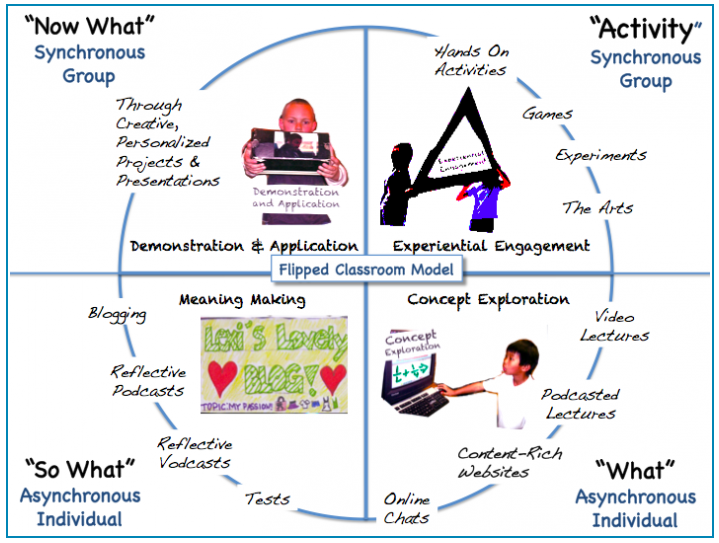
In recent years, there has been a growing interest in alternative approaches to education that prioritize student engagement and personalized learning. One such approach is the flipped classroom model, which combines online instruction with in-person activities. This blended learning method has gained popularity among educators and students alike for its ability to enhance classroom interactions and promote active learning.
So, what exactly is a flipped classroom? In a traditional setting, the teacher delivers lectures during class time, while students complete assignments and homework at home. However, in a flipped classroom, this dynamic is reversed. Students watch pre-recorded video lessons or engage with online materials before coming to class. This allows them to familiarize themselves with new concepts individually at their own pace.
The primary advantage of this approach lies in the opportunity it provides for teachers to utilize valuable face-to-face instructional time more effectively. Instead of spending class hours on passive listening or note-taking activities, teachers can engage students through discussions, problem-solving exercises, group work, and hands-on projects.
Moreover, the flipped classroom model also enables students to take ownership of their learning journey by allowing them flexibility in accessing resources outside of school hours. They can pause or rewind videos as needed until they grasp challenging concepts fully. Additionally, students who may require additional support can review content multiple times without feeling rushed or left behind.
Another benefit of flipping the classroom is that it fosters collaboration among students. During class sessions dedicated to collaborative activities like debates or project-based learning tasks, learners have an opportunity to exchange ideas and learn from one another’s perspectives. This interaction not only enhances critical thinking but also cultivates teamwork skills that are essential for success beyond academics.
Furthermore, technology plays a crucial role in implementing the flipped classroom model since it facilitates easy access to online materials and resources necessary for self-paced learning outside the physical school environment. Online platforms allow teachers to create interactive quizzes or assessments that provide immediate feedback on student understanding—a feature often absent from traditional homework assignments.
Despite its numerous benefits, it is important to note that implementing the flipped classroom model requires careful planning and support from both teachers and students. Teachers must invest time in creating high-quality video content or curating online resources that align with their curriculum objectives. They also need to establish clear expectations for student engagement and ensure access to technology at home for those who may not have it readily available.
For students, adjusting to this new approach may require a shift in study habits and time management skills. They must learn to be proactive in accessing course materials, engaging with online discussions, and preparing questions or thoughts ahead of class sessions.
In conclusion, the flipped classroom model offers an innovative way of blending traditional teaching methods with technology-enhanced learning experiences. By flipping the traditional lecture-homework dynamic, educators can optimize face-to-face interactions while empowering students with personalized learning opportunities outside of school hours. This approach fosters increased engagement, collaboration among peers, and critical thinking skills—preparing learners for success in the ever-evolving landscape of education and beyond.
 Alternative Amie
Leave a comment