Balancing High School and College Courses: A Guide to Success
In today’s academic landscape, many high school students are seeking ways to challenge themselves and get a head start on their college education. One popular option is taking college courses while still in high school. This alternative schooling approach allows students to earn college credits before they even graduate from high school. However, balancing the demands of high school and college can be quite challenging. In this article, we will explore some strategies for successfully managing both sets of coursework.
Firstly, it is crucial for students to have a clear understanding of their goals and priorities. Taking on additional coursework requires careful planning and time management skills. Students must evaluate why they want to take college courses alongside their regular high school curriculum. Are they aiming for early graduation or hoping to gain an advantage when applying for colleges? By identifying their motivations, students can better allocate their time and energy accordingly.
Another essential aspect of balancing high school and college courses is effective communication with teachers and advisors from both institutions. It is vital to inform all parties involved about your dual enrollment status so that they can provide necessary guidance and support throughout the process. High school teachers may need to adjust assignments or due dates considering your additional workload, while college professors should be aware that you are still in high school so that they can accommodate any special circumstances if needed.
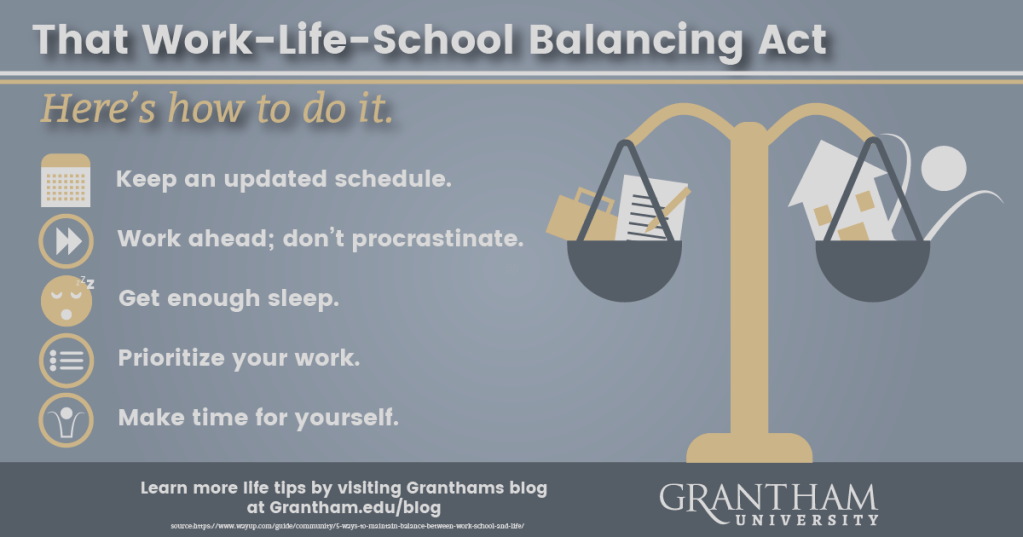
Time management plays a significant role in successfully navigating the challenges of dual enrollment. Creating a schedule that accounts for both high school classes and college coursework helps ensure everything gets done without feeling overwhelmed or falling behind academically. It’s important not only to allocate specific times for studying but also breaks for relaxation, exercise, hobbies, or spending time with friends and family – activities that contribute positively towards overall well-being.
Moreover, developing strong organizational skills becomes crucial when juggling multiple sets of coursework simultaneously—keeping track of deadlines by using calendars or planners helps avoid missing assignments or exams across different institutions. Breaking down tasks into manageable chunks and setting realistic goals for each day or week can also contribute to a sense of accomplishment and motivation.
Lastly, self-care should not be neglected during this demanding period. Balancing high school and college courses can become overwhelming if students neglect their physical and mental well-being. It is crucial to prioritize self-care activities such as regular exercise, healthy eating habits, sufficient sleep, and stress-relief techniques like meditation or hobbies that help unwind from the academic pressures.
In conclusion, balancing high school and college courses requires careful planning, effective communication with teachers and advisors, strong time management skills, organization, and prioritizing self-care. While it may seem challenging at times, successfully navigating dual enrollment can provide numerous benefits in terms of academic advancement and personal growth. By implementing these strategies wisely while maintaining a healthy work-life balance, students can make the most out of their alternative educational journey towards achieving their academic goals both in high school and beyond.
 Alternative Amie
Leave a comment