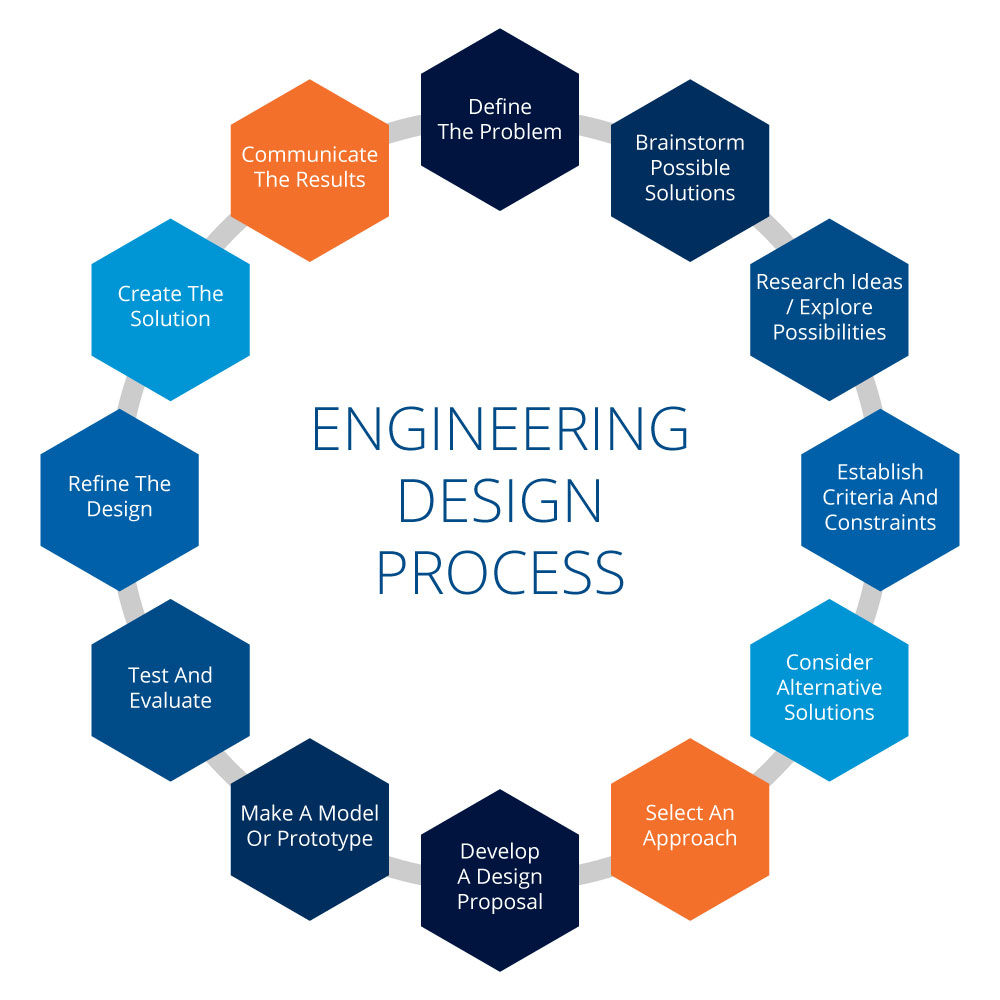
The engineering design process is a systematic approach used by engineers to solve problems and create innovative solutions. It involves a series of steps that guide engineers from identifying the problem to implementing and evaluating their solution. This process is not only used in traditional educational settings but can also be applied in alternative schooling and education environments to foster creativity, critical thinking, and collaboration among students.
The first step of the engineering design process is defining the problem. In this stage, students are encouraged to identify real-world problems or challenges that they find interesting or meaningful. This could range from designing a more efficient transportation system to creating a sustainable energy source. By allowing students to choose their own projects, they become personally invested in finding solutions.
Once the problem has been defined, the next step is conducting research. Students gather information about existing solutions, brainstorm ideas, and explore different possibilities. They may visit libraries, interview experts in relevant fields, or conduct experiments to gain a deeper understanding of the problem at hand.
After researching, students move on to generating potential solutions through brainstorming sessions and discussions with peers. It’s essential for educators to create an open and supportive environment where all ideas are encouraged and valued. Alternative schooling models often prioritize collaboration over competition which helps foster creativity among students.
Once several potential solutions have been identified, it’s time for students to develop prototypes or models of their ideas. This allows them to test their concepts before investing significant time or resources into building full-scale versions of their designs. Prototyping also encourages experimentation as students refine their ideas based on feedback and analysis.
After prototyping comes testing and evaluation where students assess how well each prototype solves the initial problem or meets specific criteria set forth by the project requirements. This stage often requires data collection through measurements, observations, surveys or any other relevant method chosen by the student.
Based on test results and evaluations gathered during the previous stages of the engineering design process, it’s now time for refinement or iteration. Students analyze the strengths and weaknesses of their prototypes, identify areas for improvement, and make necessary adjustments to their designs. This iterative process helps students develop perseverance, resilience, and the ability to learn from failure.
The final stage of the engineering design process is implementation. Here, students bring their refined designs to life by building full-scale models or creating functional prototypes. They may use various tools, materials, or technologies depending on the nature of their project.
As a continuous cycle, this process allows students to repeat steps if needed until they achieve a satisfactory solution. By engaging in the engineering design process within alternative schooling and education environments, students not only develop essential skills such as critical thinking and problem-solving but also gain practical experience in applying these skills in real-world contexts.
In conclusion, incorporating the engineering design process into alternative schooling and education can provide valuable opportunities for hands-on learning and creativity. By allowing students to explore problems that are personally meaningful to them and guiding them through each step of the process with support from educators, we can empower young minds to become innovative problem solvers who are ready to tackle future challenges head-on.
 Alternative Amie
Leave a comment