Dual Enrollment vs. Advanced Placement (AP) Courses: Which is the Right Choice for You?
Introduction:
When it comes to alternative education options, dual enrollment and Advanced Placement (AP) courses are two popular choices for high school students. Both programs offer the opportunity to earn college credit while still in high school, but they have distinct differences that may make one a better fit than the other depending on individual circumstances. In this article, we will explore the key features of each program and discuss factors to consider when deciding between dual enrollment and AP courses.
1. What is Dual Enrollment?
Dual enrollment allows high school students to take college-level courses at a local college or university while simultaneously earning both high school and college credits. These courses are typically taught by college professors or instructors on the college campus itself, providing students with an authentic higher education experience.
2. What are Advanced Placement (AP) Courses?
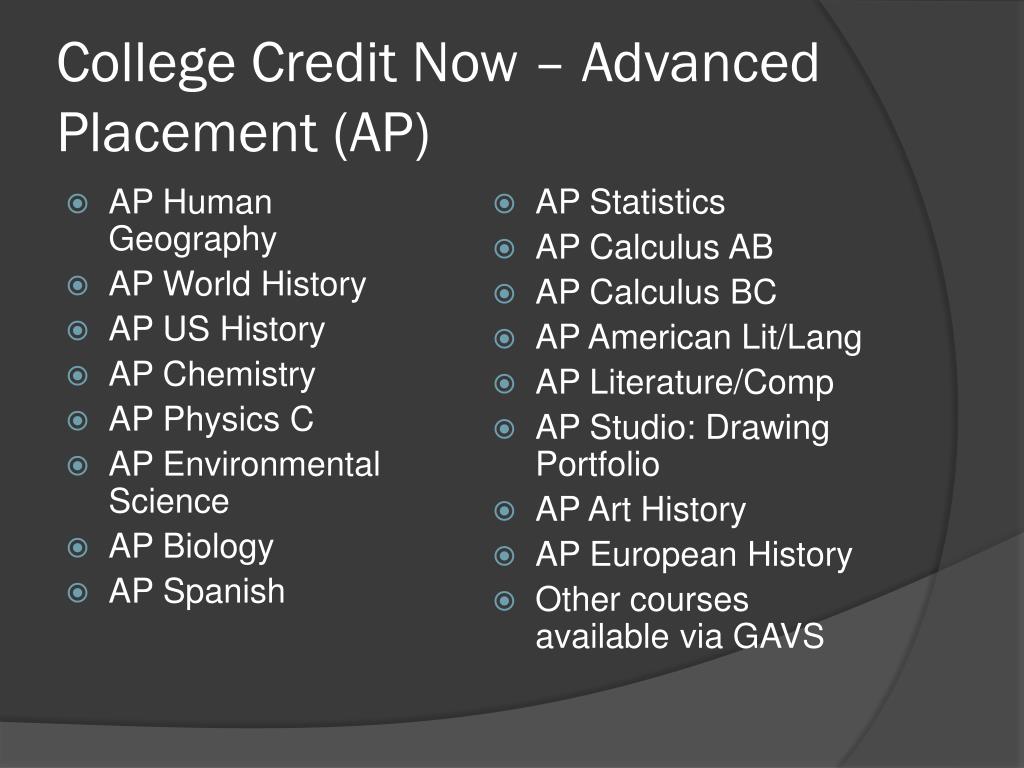
Advanced Placement (AP) courses are rigorous classes offered within high schools that follow a standardized curriculum developed by the College Board. Students who enroll in AP classes can take exams at the end of each course to demonstrate their mastery of the subject matter and potentially earn college credits based on their exam scores.
3. Structure and Flexibility:
One significant difference between dual enrollment and AP courses lies in their structure and flexibility.
– Dual Enrollment: As part of a separate educational institution, colleges set their own schedules for dual-enrollment classes, which may not align perfectly with high school schedules.
– AP Courses: Taught within high schools themselves, AP classes generally follow traditional academic calendars without conflicting with regular class periods.
4. Course Selection:
Another crucial aspect to consider when deciding between dual enrollment and AP courses is course selection.
– Dual Enrollment: Students have access to a wide range of subjects offered by colleges or universities that partner with their high schools.
– AP Courses: The availability of AP subjects depends on individual schools’ resources; however, there is a broad range of subjects to choose from, including sciences, humanities, and languages.
5. College Credit Transfer:
The transferability of college credits earned through dual enrollment or AP courses can impact future educational opportunities.
– Dual Enrollment: Credits earned in dual-enrollment courses are typically accepted by most colleges and universities; however, it’s essential to check with each institution individually.
– AP Courses: College credit policies vary among different higher education institutions. Some may accept AP credits for specific courses while others may require students to achieve a minimum score on the corresponding exam.
6. Academic Rigor:
Both dual enrollment and AP courses offer challenging academic experiences; however, the level of rigor differs.
– Dual Enrollment: These courses provide an authentic college experience with demanding coursework comparable to what college-level students would encounter.
– AP Courses: While still rigorous, some argue that the content covered in AP classes may not always match the depth and complexity of actual college-level material.
7. Cost Considerations:
Cost is an important factor for many families when deciding between dual enrollment and AP courses.
– Dual Enrollment: In some cases, high schools cover all or part of the tuition costs associated with dual-enrollment programs; however, there may still be additional expenses such as textbooks or transportation fees.
– AP Courses: Taking AP classes within a high school setting is generally less expensive than enrolling in separate college-level courses.
8. Time Management Skills:
Both programs require strong time management skills due to their added demands on students’ schedules.
– Dual Enrollment: Students need to manage their time effectively as they navigate between high school obligations and off-campus college classes or study sessions.
– AP Courses: The workload can be intensive since students must balance multiple advanced classes alongside their regular coursework.
9. College Experience:
Dual enrollment provides a more immersive college experience compared to taking individual AP classes within a high school environment alone.
– Dual Enrollment: Students attend actual college classes, interact with college professors and students, and become familiar with the campus environment.
– AP Courses: While still challenging, AP courses are taught within a high school setting, so students may not experience the same level of independence or exposure to college-level resources.
10. Post-High School Planning:
When deciding between dual enrollment and AP courses, it’s crucial to consider future educational plans.
– Dual Enrollment: Earning college credits during high school can potentially lead to advanced standing upon entering college or even allow for early graduation.
– AP Courses: Scoring well on AP exams can provide an advantage when applying to colleges, as admissions officers value students who challenge themselves with rigorous coursework.
11. Individual Learning Styles:
Lastly, individual learning preferences should be taken into account when choosing between dual enrollment and AP classes.
– Dual Enrollment: Students who thrive in a more independent and autonomous learning environment may find dual enrollment appealing due to its college-like atmosphere.
– AP Courses: Those who prefer a structured classroom setting with peers from their own high school may feel more comfortable in an AP course.
Conclusion:
In summary, both dual enrollment and Advanced Placement (AP) courses offer valuable opportunities for high school students seeking a head start on their higher education journey. Understanding the differences in structure, flexibility, course selection, credit transferability, academic rigor, cost considerations, time management skills needed, access to the college experience, post-high school planning implications based on individual goals and learning styles will ultimately help make an informed decision about which option is best suited for each student’s unique needs.
 Alternative Amie
Leave a comment