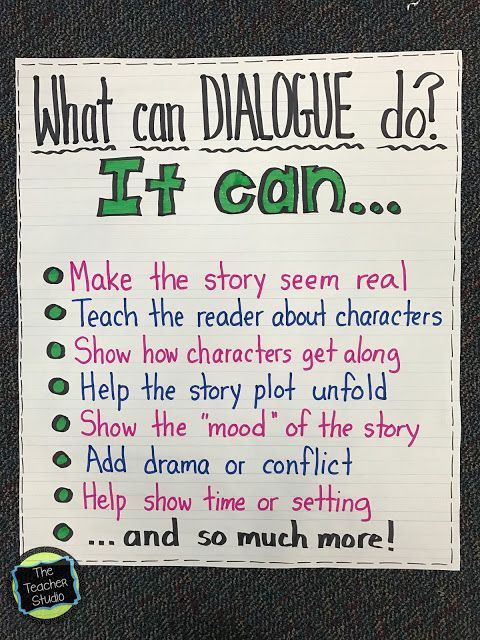
Dialogue Writing: Enhancing Communication Skills in Alternative Education
Introduction:
In alternative schooling and education, the focus goes beyond traditional teaching methods. It aims to cultivate critical thinking, creativity, and collaboration among students. One effective way of achieving these goals is through dialogue writing. Dialogue writing not only hones communication skills but also fosters empathy, active listening, and problem-solving abilities. In this article, we will explore the importance of dialogue writing in alternative education settings and provide practical tips for implementing it effectively.
The Power of Dialogue Writing:
1. Fostering Empathy:
Dialogue writing encourages students to step into the shoes of different characters or perspectives. By imagining themselves in various scenarios, they develop a deeper understanding of others’ emotions, experiences, and viewpoints. This ability to empathize is crucial for building strong relationships based on trust and respect.
2. Active Listening:
Engaging in dialogue requires active listening skills – paying attention to both verbal and non-verbal cues from others. Through dialogue writing exercises, students learn how to actively listen to their peers or fictional characters within a story context. This skill translates into better communication in real-life situations where attentive listening is essential for meaningful interactions.
3. Developing Critical Thinking:
Dialogue often involves engaging with complex ideas or conflicting opinions. By crafting dialogues that explore diverse perspectives on a topic or issue, students are challenged to think critically about multiple viewpoints before forming their own conclusions.
4. Enhancing Creativity:
Writing dialogues allows students to unleash their creative potential by inventing unique voices for each character involved in the conversation. They can experiment with different speech patterns, tones, or dialects while staying true to each character’s personality traits.
Implementing Dialogue Writing Effectively:
1. Establish Clear Objectives:
Before starting any dialogue writing activity, clearly define the learning objectives you want your students to achieve through the exercise – whether it be developing empathy or analyzing different arguments on a specific topic. This clarity will guide the structure of the activity and help students understand its purpose.
2. Provide Relevant Context:
To make dialogue writing meaningful, provide context that is relatable to students’ lives or aligned with their interests. For example, you can introduce a scenario related to current social issues or ask them to imagine a conversation between historical figures they have studied.
3. Model Effective Dialogue:
Demonstrate effective dialogue writing by providing examples that illustrate different communication techniques, such as active listening, respectful disagreement, or collaborative problem-solving. Allow students to analyze these models and discuss what makes them effective before attempting their own dialogues.
4. Encourage Collaboration:
Dialogue writing can be done individually or in groups. Group activities promote collaboration and foster an inclusive environment where everyone’s voice is heard. Assigning different roles within a group (e.g., protagonist, antagonist) allows students to explore diverse perspectives more effectively.
5. Peer Feedback:
Incorporate peer feedback into the dialogue writing process by encouraging students to review each other’s work constructively. Encourage them to highlight strengths and offer suggestions for improvement based on the established learning objectives.
6. Reflective Practice:
After completing a dialogue writing activity, engage in reflective discussions with your students about what they learned from the exercise – both about themselves and others’ perspectives. This reflection encourages self-awareness and further deepens understanding of effective communication skills.
Conclusion:
Dialogue writing serves as a powerful tool in alternative education settings by enhancing communication skills such as empathy, active listening, critical thinking, and creativity among students. By integrating dialogue-based activities into the curriculum thoughtfully, educators can create engaging learning experiences that go beyond traditional teaching methods while fostering essential skills for success in today’s interconnected world.
Remember that dialogue is not just about words exchanged; it represents an opportunity for growth, understanding, and connection between individuals – an invaluable asset in alternative schooling and education environments striving towards holistic development of learners.
 Alternative Amie
Leave a comment