Creating a Sense of Belonging in Learning Communities
Introduction:
In traditional educational settings, the focus is often solely on academic achievement. However, alternative schooling and education prioritize creating a sense of belonging within learning communities as an essential component of student success. When students feel connected to their peers, teachers, and the overall learning environment, they are more likely to be engaged, motivated, and perform better academically. In this article, we will explore various strategies that can help foster a strong sense of belonging in alternative learning communities.
1. Building Positive Relationships:
Establishing positive relationships between students and teachers lays the foundation for creating a sense of belonging in any learning community. Teachers should strive to create an inclusive classroom environment by getting to know each student individually and valuing their unique experiences and perspectives.
To build these connections, teachers can organize ice-breaker activities at the beginning of the school year or semester. These activities encourage students to share personal information about themselves with their classmates, helping them find common ground or appreciate differences.
Regular one-on-one meetings between teachers and students can offer opportunities for deeper conversations beyond academics. By discussing personal interests or challenges outside of schoolwork, teachers demonstrate genuine care for their students’ well-being.
2. Collaborative Learning Opportunities:
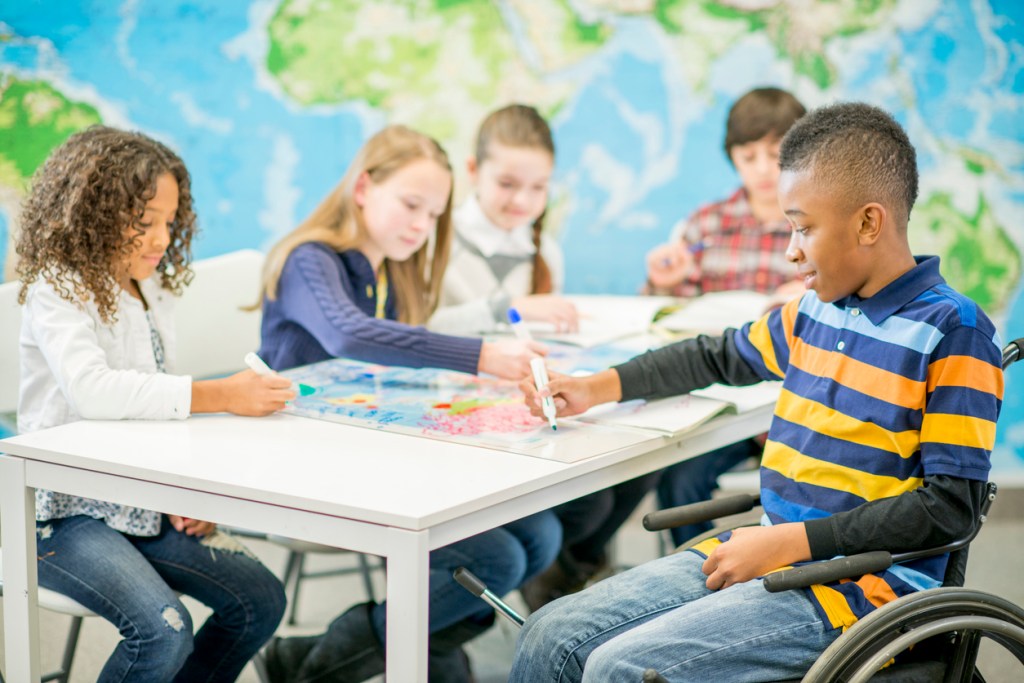
Collaborative learning fosters a sense of belonging by encouraging teamwork and allowing students to contribute their ideas while working towards shared goals. Group projects provide opportunities for peer interaction, problem-solving skills development, and mutual support among learners.
Teachers can design tasks that require collaboration rather than competition among students. This approach helps remove barriers that may hinder cooperation while promoting empathy and respect for diverse perspectives.
Moreover, cooperative learning structures such as jigsaw activities or think-pair-share discussions enable every student’s voice to be heard during class interactions.
3. Creating Safe Spaces:
A safe space refers to an environment where individuals feel comfortable expressing themselves without fear of judgment or discrimination based on race, gender, sexual orientation, or any other aspect of their identity. In alternative learning communities, creating safe spaces is crucial to building a sense of belonging.
Teachers and school administrators should establish clear expectations for respectful behavior and enforce zero tolerance for bullying or harassment. Implementing anti-bias curricula can help promote understanding, empathy, and inclusivity among students.
Additionally, it’s important to provide resources such as counseling services or support groups for students who may face unique challenges related to their identities. By acknowledging and addressing these challenges, schools can cultivate an environment where all students feel valued and supported.
4. Student Voice and Choice:
In alternative learning communities, giving students a voice in decision-making processes enhances their sense of ownership over the educational experience. When students have opportunities to contribute ideas and participate in shaping the curriculum or classroom rules, they are more likely to feel valued as active members of the community.
Teachers can incorporate student-led activities into lessons by allowing them to choose topics for research projects or design their own assessments within certain guidelines. This autonomy empowers learners while promoting engagement with the material being studied.
Furthermore, involving students in school-wide decision-making through student councils or advisory boards helps create a culture where everyone’s opinions are respected and considered when making changes that impact the entire learning community.
5. Celebrating Diversity:
Alternative learning communities often embrace diversity as a strength rather than viewing it as a challenge. By celebrating different cultures, languages, abilities, and backgrounds within the school environment, educators foster an inclusive atmosphere where every individual feels welcome.
Organizing multicultural events where students share aspects of their heritage promotes understanding among peers while encouraging individuals to take pride in their own cultural identities. These events also offer opportunities for cross-cultural collaboration that can deepen connections between diverse groups of learners.
In addition to cultural celebrations, integrating diverse perspectives into the curriculum is essential. Including literature from various authors representing different backgrounds helps validate students’ experiences while expanding their knowledge about the world.
Conclusion:
Creating a sense of belonging in learning communities is vital for alternative schooling and education. By building positive relationships, providing collaborative learning opportunities, creating safe spaces, offering student voice and choice, and celebrating diversity, educators can foster an environment where students feel valued, included, and motivated to learn. When students belong to a community that supports their social-emotional well-being alongside academics, they are more likely to thrive both inside and outside the classroom.
 Alternative Amie
Leave a comment