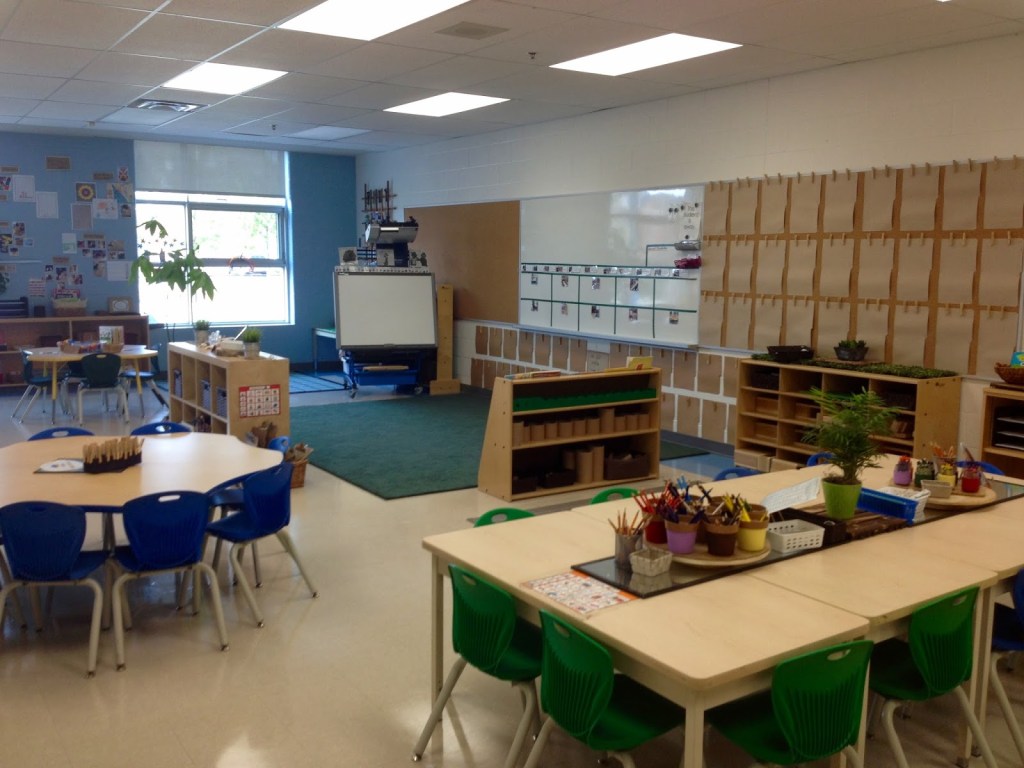
Setting and atmosphere play a crucial role in the learning experience of students. They greatly influence their engagement, motivation, and overall sense of comfort in the educational environment. In alternative schooling and education, creating a positive setting and atmosphere is even more important as it can foster creativity, critical thinking, collaboration, and independent learning.
Firstly, let’s discuss the physical setting of an alternative school. Unlike traditional schools with rigid classroom structures, alternative schools often have flexible spaces that accommodate various learning activities. These spaces may include open areas for group discussions or project work, cozy corners for reading or reflection, and outdoor areas for hands-on experiences. The layout should be designed to promote movement and exploration while also providing quiet zones for focused work.
The use of color is another aspect that contributes to the atmosphere. Colors can evoke different emotions and stimulate cognitive processes. For instance, warm colors like reds and oranges are known to enhance creativity and enthusiasm while cool colors like blues and greens promote relaxation and concentration. Alternative schools often incorporate a combination of these colors throughout their spaces to create a balanced ambiance conducive to both active engagement and calm introspection.
Lighting also plays a significant role in setting the atmosphere within an alternative school. Natural light is preferred whenever possible as it has been shown to improve mood, focus, productivity, and overall well-being. Large windows or skylights can maximize natural light intake during daytime hours while adjustable artificial lighting should be used when needed.
In addition to physical elements, other factors contribute to creating an inviting atmosphere in alternative schools:
1) Positive relationships: Building strong connections between teachers/staff members and students fosters trust, respect, collaboration which leads to a supportive environment where students feel safe expressing themselves freely.
2) Personalization: Allowing students some degree of autonomy over their learning space provides them with ownership over their education journey.
3) Inspirational decor: Displaying student work on walls or showcasing inspiring quotes helps create a visually stimulating environment that motivates students to strive for excellence.
4) Nature and greenery: Integrating plants, outdoor learning spaces, or even a small garden can have a calming effect on students and promote a sense of connection with the natural world.
It’s important to note that setting and atmosphere cannot solely rely on physical factors. The culture and values of an alternative school also shape the overall ambiance. Encouraging open-mindedness, empathy, inclusivity, and celebrating diversity are essential components in creating a positive atmosphere where all students feel valued and respected.
In conclusion, alternative schools should prioritize creating an enriching setting and atmosphere that inspires curiosity, collaboration, critical thinking skills while nurturing each student’s individuality. By considering aspects such as flexible spaces, colors, lighting, positive relationships, personalization, inspirational decor, nature incorporation,and fostering inclusive values; alternative schools can create an engaging educational environment that supports holistic development and lifelong learning.
 Alternative Amie
Leave a comment