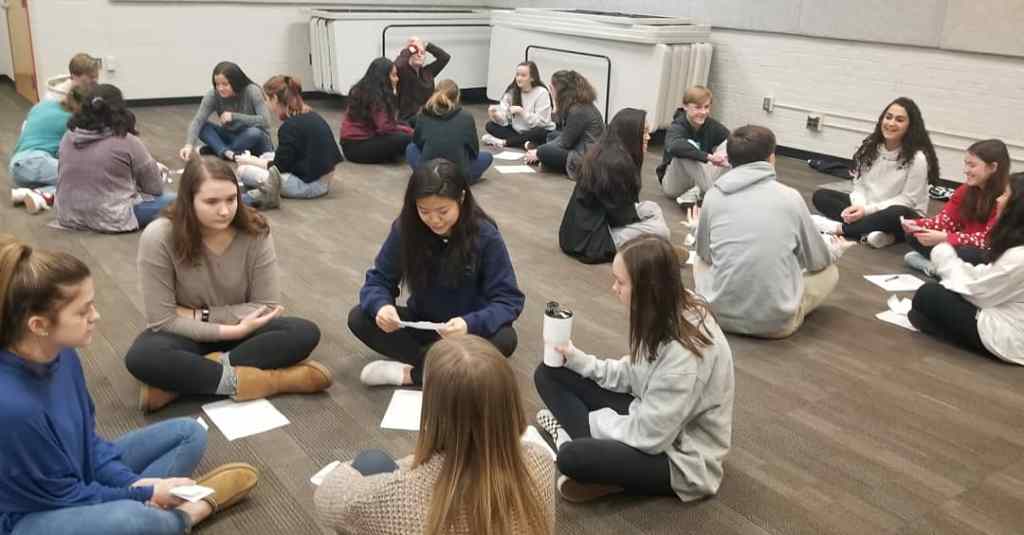
Peer mentoring is a powerful tool that can greatly benefit students in alternative schools who face various challenges. Whether it be learning disabilities, behavioral issues, mental health concerns, or cultural barriers, peer mentoring programs provide invaluable support and guidance to these students. In this article, we will explore the importance of peer mentoring in alternative schools and how it can positively impact different student populations.
1. Peer Mentoring for Students with Learning Disabilities
Students with learning disabilities often struggle to keep up with their peers academically. Peer mentoring programs can pair these students with mentors who have similar experiences and have successfully navigated their own learning challenges. These mentors provide academic assistance, offer strategies for success, and serve as role models for overcoming obstacles.
2. Peer Mentoring for At-Risk Youth
At-risk youth face a multitude of challenges such as poverty, family instability, and limited access to resources. Peer mentoring programs create a supportive environment where mentors can guide at-risk students towards making positive choices and developing essential life skills. These programs foster resilience and empower students to overcome adversity.
3. Peer Mentoring for Students with Behavioral Challenges
Students with behavioral challenges often struggle to regulate their emotions or interact appropriately with others. To address these issues, peer mentoring programs pair them with mentors who have overcome similar struggles or possess strong interpersonal skills. The mentors act as positive influences, helping mentees develop self-control techniques and healthy coping mechanisms.
4. Peer Mentoring for LGBTQ+ Students
LGBTQ+ students in alternative schools may face unique obstacles related to their sexual orientation or gender identity. Peer mentoring provides a safe space where LGBTQ+ mentors can offer guidance on navigating social situations, understanding one’s identity, accessing resources within the school community or beyond it if needed.
5.Peer Mentoring for Immigrant & Refugee Students
Immigrant and refugee students may experience language barriers and difficulty adjusting to a new culture when attending an alternative school setting that might differ from what they are accustomed to. Peer mentoring programs enable these students to connect with mentors who understand their experiences and can help them navigate the challenges of cultural adaptation, language acquisition, and building a sense of belonging.
6. Peer Mentoring for Students with Mental Health Issues
Mental health issues can significantly impact a student’s ability to thrive academically and socially. Peer mentoring programs offer support by pairing mentees with mentors who have personal experience in managing mental health challenges. Mentors can provide empathy, understanding, guidance on coping strategies, and help students access appropriate resources.
7. Peer Mentoring for Students from Low-Income Backgrounds
Students from low-income backgrounds may face financial barriers that hinder their educational success. Peer mentoring programs connect these students with mentors who have overcome similar obstacles and successfully pursued higher education or career opportunities. The mentors can provide guidance on accessing scholarships, navigating financial aid applications, or finding part-time work opportunities while balancing school responsibilities.
8.Peer Mentoring for Students with Physical Disabilities
Students with physical disabilities often encounter unique challenges related to mobility, accessibility, or participation in extracurricular activities. Peer mentoring programs pair them with mentors who have firsthand knowledge of navigating life with similar physical limitations. These mentors offer practical advice on adaptive technologies, accessible resources within the school environment, and promote inclusion among peers.
9.Peer Mentoring for Gifted & Talented Students
Gifted and talented students require additional support to reach their full potential. Peer mentoring programs match these students with older peers who share similar interests or talents. The mentors provide guidance on enrichment opportunities both inside and outside the classroom while fostering a growth mindset that encourages continuous learning.
10.Peer Mentoring for Students Transitioning from Homeschooling
Transitioning from homeschooling to an alternative schooling environment can be overwhelming for some students as it involves adjusting to new routines, social dynamics within schools settings ,and academic expectations .Peer mentoring during this transition period helps provide a sense of support and guidance, easing the adjustment process. Mentors can offer advice on navigating new classroom dynamics, establishing study routines, and connecting with peers.
11.Peer Mentoring for Pregnant & Parenting Teens in Alternative Schools
Pregnant and parenting teens face unique challenges as they strive to balance their education with the responsibilities of parenthood. Peer mentoring programs connect them with mentors who have gone through similar experiences, providing emotional support, sharing effective time management techniques , discussing childcare arrangements options . These mentors help ensure that these young parents continue their education while also fulfilling their parental duties.
12.Peer Mentoring for Students Who Have Experienced Trauma or Abuse
Students who have experienced trauma or abuse may struggle with emotional regulation, trust issues, or self-esteem concerns. Peer mentoring programs pair them with mentors who have undergone similar journeys and can provide a safe space for healing. These mentors offer empathy, understanding ,and strategies to cope while encouraging mentees to seek appropriate professional help if needed.
13.Peer Mentoring for Students With Chronic Illnesses or Medical Conditions
Students dealing with chronic illnesses or medical conditions often face physical limitations that impact their ability to participate fully in school activities. Peer mentoring programs match them with mentors who understand the challenges associated with managing health conditions while pursuing educational goals. These mentors provide practical advice on maintaining a healthy balance between academic demands and self-care needs.
14.Peer Mentoring for Non-Native English Speakers in Alternative Schools
Non-native English speakers attending alternative schools may experience language barriers that hinder social integration and academic success .Peer mentoring programs connect these students with mentors who are fluent in both languages or have successfully navigated similar circumstances themselves .These bilingual mentors can offer language support ,cultural insight ,and help build confidence within these students .
15.Peer Mentoring for Students in Foster Care or Group Homes
Students in foster care or group homes often lack stable family environments which consequently affects their education and overall well-being. Peer mentoring programs create a support network for these students by pairing them with mentors who understand the challenges they face and can provide guidance on navigating the educational system, accessing resources, and maintaining resilience.
16.Peer Mentoring for First-Generation College-Bound Students
First-generation college-bound students often lack guidance from family members who have not gone through the higher education process themselves .Peer mentoring programs connect these students with mentors who are first-generation college graduates or currently attending college .These mentors offer insights into the application process ,financial aid options ,academic expectations ,and adjustment to campus life .
17.Peer Mentoring for Young Parents Pursuing Education
Young parents pursuing their education while raising children face unique challenges related to time management, childcare arrangements, and balancing multiple responsibilities. Peer mentoring programs pair them with mentors who have successfully completed their education while parenting young children. These mentors provide guidance on creating supportive schedules, accessing local resources, and maintaining motivation during challenging times.
18.Peer Mentoring to Promote Cultural Diversity & Inclusion in Alternative Schools
Alternative schools often attract a diverse student population representing various cultural backgrounds .Peer mentoring programs foster cultural diversity by encouraging cross-cultural connections between students .Mentors act as cultural ambassadors providing opportunities for dialogue, dispelling stereotypes fostering understanding among peers of different backgrounds.
19.Peer Mentoring to Address Bullying & Harassment in Alternative Schools
Bullying and harassment can be prevalent in alternative school settings due to various factors such as social dynamics or perceived differences among students. Peer mentoring programs focus on creating safe environments that discourage bullying behaviors .Mentors work alongside mentees promoting kindness empathy ,and offering strategies for dealing with situations involving harassment or bullying .
20.Peer Mentoring to Support Career Exploration & Vocational Training
Alternative schools often emphasize vocational training and career exploration along with traditional academics. Peer mentoring facilitates this process by connecting students with mentors working in fields of interest. These mentors provide insights into various careers, offer guidance on internships or apprenticeships ,and help students develop career plans that align with their interests and strengths.
In conclusion, peer mentoring in alternative schools has the potential to positively impact students across a wide range of challenges and backgrounds. Whether it be academic support, emotional guidance, cultural inclusion, or career exploration, peer mentoring programs create supportive environments where students can thrive. By connecting mentees with mentors who have shared experiences or expertise in specific areas, these programs empower students to overcome obstacles and achieve their goals.
 Alternative Amie
Leave a comment