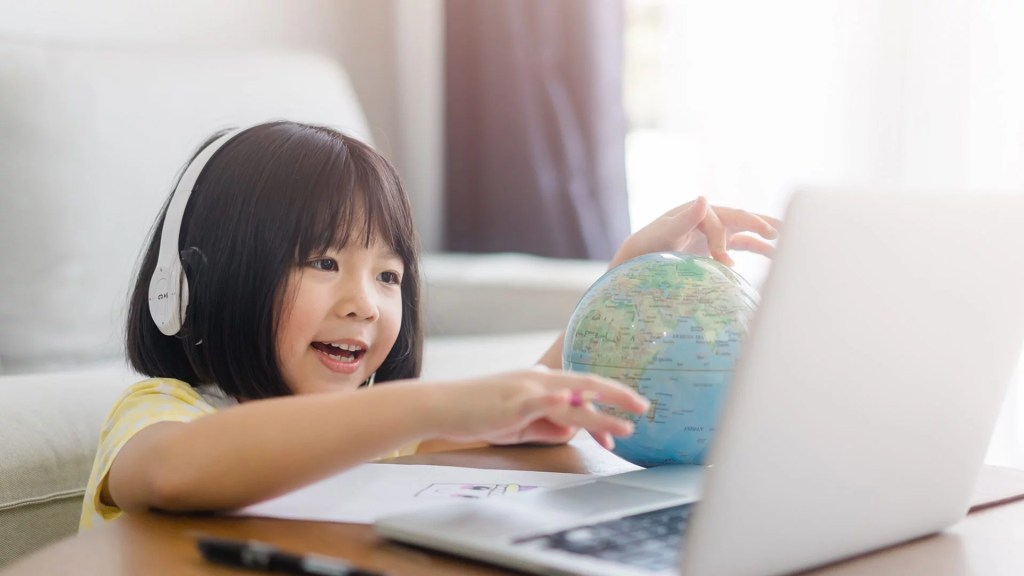
Technology in Bilingual Education: Enhancing Language Learning and Cultural Understanding
Introduction
Bilingual education has gained significant attention in recent years as societies become increasingly diverse, interconnected, and globalized. It provides students with the opportunity to develop proficiency in two languages while promoting cultural understanding and appreciation. Technology has played a crucial role in enhancing bilingual education by offering innovative tools and resources that support language learning both inside and outside the classroom. In this case study, we will explore how technology is being utilized in bilingual education settings to promote language acquisition, cultural immersion, collaboration, and personalized learning experiences.
Language Acquisition through Interactive Multimedia
One of the most prominent ways technology supports bilingual education is through interactive multimedia platforms. These platforms engage students by integrating audiovisual materials such as videos, songs, games, and simulations into language lessons. For instance, educational apps like Duolingo provide gamified language exercises that make learning enjoyable for students of all ages. These interactive features not only enhance engagement but also provide immediate feedback on pronunciation accuracy or grammar usage.
Furthermore, online language-learning platforms offer a wide range of resources tailored to individual needs. Students can access audio recordings for pronunciation practice or interact with virtual tutors who simulate real-life conversations using artificial intelligence (AI). This personalized approach allows learners to progress at their own pace while addressing specific linguistic challenges they might face.
Cultural Immersion through Virtual Reality (VR)
Technology has revolutionized cultural immersion within bilingual education programs through the use of virtual reality (VR) applications. VR headsets transport students to different countries where they can virtually walk around cities or landmarks while listening to local conversations or music. By immersing themselves in authentic cultural environments without leaving the classroom, learners gain a deeper understanding of diverse traditions beyond what textbooks can offer.
Moreover, teleconferencing tools enable students from different parts of the world to connect with one another effortlessly. Through video calls or online forums moderated by teachers fluent in both languages, students engage in meaningful discussions about their respective cultures, customs, and traditions. This fosters empathy and promotes intercultural understanding among learners from different linguistic backgrounds.
Collaborative Learning through Online Platforms
In bilingual education settings, technology facilitates collaborative learning by providing online platforms that enable students to work together on projects or assignments regardless of location. Cloud-based document sharing and editing tools like Google Docs allow students to collaborate simultaneously on written assignments, fostering teamwork while developing language skills. Real-time communication features such as chat or audio/video calls facilitate interaction between peers during collaborative tasks.
Furthermore, social media platforms play a significant role in promoting collaboration among bilingual learners. Dedicated groups or pages can be created for students studying the same languages to share resources, ask questions, or practice conversation skills with native speakers. These virtual communities not only provide opportunities for additional language practice but also create a sense of belonging within a global network of bilingual individuals.
Personalized Learning Experiences through Adaptive Software
Technology has revolutionized personalized learning experiences within bilingual education programs by utilizing adaptive software programs. These programs assess individual strengths and weaknesses in language proficiency and tailor lessons accordingly to address specific needs.
For example, some language-learning apps use AI algorithms to track user performance over time. Based on this data analysis, the app adapts future lessons to focus on areas requiring improvement while reinforcing previously learned concepts. This personalized approach ensures that each student receives targeted instruction aligned with their unique learning trajectory.
Conclusion
Technology has become an indispensable tool in enhancing bilingual education by providing interactive multimedia platforms for language acquisition, VR applications for cultural immersion experiences, online platforms for collaborative learning opportunities across distances, and adaptive software programs for personalized instruction. As technology continues to evolve rapidly, educators must remain vigilant in integrating these advancements into their teaching practices effectively.
By leveraging technology responsibly and creatively within bilingual education settings, we can empower students with the necessary linguistic skills and intercultural competencies they need to thrive in today’s globalized world.
 Alternative Amie
Leave a comment