Introduction:
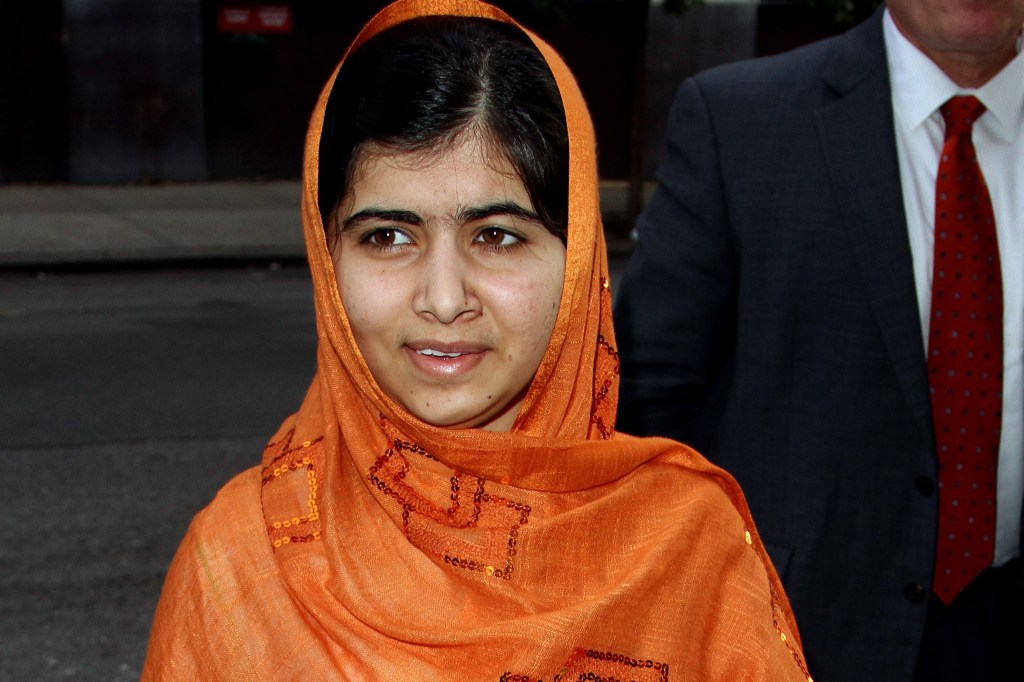
Welcome to our panel discussion on Malala Yousafzai, a remarkable young woman who has become an icon of courage and education advocacy. In this post, we will delve into Malala’s inspiring journey, her impact on the world, and the lessons we can learn from her story.
Panelists:
1. Dr. Sarah Johnson – Education Specialist
2. Mr. David Patel – Journalist
3. Ms. Sofia Rodriguez – Parent and Education Activist
Moderator: Thank you all for joining us today to discuss the incredible life of Malala Yousafzai. Let’s begin by providing some background information about who Malala is and why she has gained such global recognition.
Dr. Johnson: Malala Yousafzai was born in 1997 in Mingora, Pakistan, where she grew up with a progressive family that valued education for both boys and girls despite societal norms at the time. At just 11 years old, she started advocating for girls’ education through a blog under a pseudonym published by BBC Urdu.
Mr. Patel: However, it was on October 9th, 2012 when everything changed for Malala after surviving an assassination attempt by the Taliban while returning home from school.
Ms. Rodriguez: This horrific incident propelled her onto the international stage as a symbol of bravery and resilience in fighting for access to quality education worldwide.
Impact of Her Advocacy:
Moderator: What impact has Malala had on promoting education globally?
Dr. Johnson: One of her most significant achievements is co-founding the Malala Fund with her father Ziauddin Yousafzai in 2013—an organization focused on ensuring every girl receives twelve years of free quality schooling around the world.
Mr. Patel: Additionally, she became the youngest-ever Nobel Prize laureate at age 17 in recognition of her efforts to champion children’s rights to an education. This accolade further amplified her message and gave her a platform to advocate for change at the highest levels.
Ms. Rodriguez: Malala’s advocacy has helped elevate the conversation around gender equality in education, inspiring governments, NGOs, and individuals to take action and invest resources into addressing this issue.
Challenges Faced:
Moderator: Malala has faced numerous challenges on her journey. Could you elaborate on some of these obstacles?
Dr. Johnson: Living under Taliban rule in Swat Valley meant that girls’ schools were systematically targeted and shut down. By speaking out against these injustices, Malala put herself in immense danger.
Mr. Patel: Indeed, the assassination attempt was a horrifying incident that shook the world. It not only threatened her life but also aimed to silence her powerful voice advocating for girls’ rights.
Ms. Rodriguez: Furthermore, even after relocating to the United Kingdom following the attack, Malala faced backlash from conservative elements within Pakistani society who accused her of defaming Islam and being a puppet of Western influences.
Lessons Learned:
Moderator: What lessons can we draw from Malala’s story?
Dr. Johnson: Firstly, we learn about the transformative power of education in challenging societal norms and fostering empowerment among marginalized communities.
Mr. Patel: Additionally, Malala teaches us that one person can make an enormous impact through their dedication and unwavering commitment to their cause—even when faced with overwhelming adversity.
Ms. Rodriguez: It is crucial to recognize that children have valuable perspectives which should be listened to attentively rather than dismissed solely because of their age or background.
Future Implications:
Moderator: How do you believe Malala’s legacy will shape future generations?
Dr. Johnson: I think it will inspire young people worldwide to stand up for what they believe in and demand equal access to education as a fundamental right.
Mr. Patel: In terms of policy changes globally, I expect governments to place a greater emphasis on education funding, particularly for girls’ education, as they witness the positive impact it has on societies.
Ms. Rodriguez: Malala’s story will also encourage parents and educators to nurture their children’s curiosity, critical thinking skills, and empathy so that they may become advocates for change in their own communities.
Conclusion:
Moderator: In conclusion, Malala Yousafzai’s journey from a young advocate in Pakistan to an international symbol of resilience and education activism is nothing short of extraordinary. Her bravery has inspired millions around the world and continues to fuel efforts towards achieving quality education for all.
Dr. Johnson: Indeed, by standing up against injustice and advocating for equal access to education, Malala has shown us that change is possible even in the face of immense challenges.
Mr. Patel: Let us not forget her famous quote: “One child, one teacher, one book can change the world.” It reminds us of the transformative power that education holds within society.
Ms. Rodriguez: Malala’s legacy serves as a reminder that everyone has a role to play in promoting equality and ensuring every child receives a quality education regardless of gender or background.
Moderator: Thank you all for participating in this insightful discussion about Malala Yousafzai. May her courage continue to inspire individuals across the globe to strive for educational equity and justice.
 Alternative Amie
Leave a comment