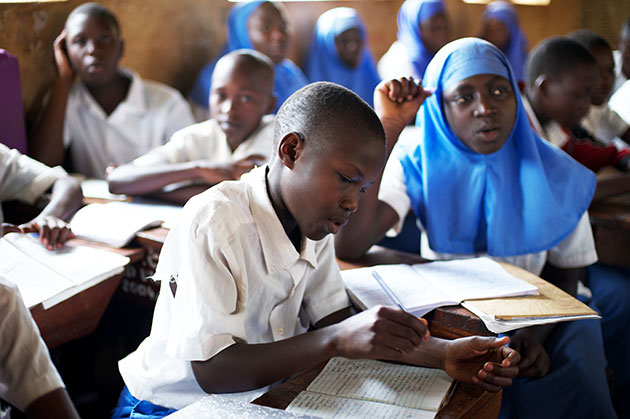
Education in Developing Countries: Unlocking the Potential for a Brighter Future
Education is undeniably one of the most powerful tools we possess to bring about positive change and create a brighter future. In developing countries, where access to quality education is often limited, it becomes even more crucial to emphasize the value and importance of learning. By investing in education, we can empower individuals, foster economic growth, reduce poverty, and ultimately build stronger and more resilient communities.
One of the biggest challenges faced by developing countries when it comes to education is ensuring equal opportunities for all children. Many factors contribute to this inequality, including limited resources, inadequate infrastructure, cultural barriers, and gender disparities. However, despite these obstacles, there are numerous innovative approaches being implemented that aim to address these issues head-on.
Alternative schooling models have emerged as a promising solution in many developing countries. These models take into account local contexts and provide flexible learning environments that cater to the unique needs of students. They offer an alternative to traditional educational systems that may not be accessible or relevant for all children.
One such alternative model gaining recognition worldwide is community-based schooling. This approach brings education directly into underserved communities by establishing schools within their vicinity. By doing so, it eliminates geographical barriers and ensures that every child has access to quality education without having to travel long distances.
In addition to community-based schooling, non-formal education programs have also proved successful in addressing educational gaps in developing countries. These programs target out-of-school children or those who have dropped out due to various reasons such as poverty or conflicts. Non-formal education provides them with basic literacy and numeracy skills along with life skills training essential for their overall development.
Another significant aspect of alternative schooling in developing countries is its focus on vocational training and skill development. Recognizing the need for practical skills among young people who might not pursue higher education due to financial constraints or personal circumstances opens up opportunities for them outside conventional academic pathways. Vocational training equips individuals with the necessary skills to enter the workforce, creating a pathway towards gainful employment and economic independence.
Furthermore, technology has played a crucial role in revolutionizing education in developing countries. With the increasing availability of smartphones and internet access, online learning platforms have become a valuable resource for students who lack traditional educational opportunities. These platforms offer courses, tutorials, and interactive materials that can be accessed anytime and anywhere, making education more accessible than ever before.
However, it is important to note that technology alone cannot solve all the challenges faced by developing countries’ education systems. It should be used as a complementary tool alongside other approaches to ensure holistic development and equitable access to quality education.
Moreover, partnerships between governments, non-governmental organizations (NGOs), local communities, and international stakeholders are vital in improving education outcomes in developing countries. Collaborative efforts bring together resources, expertise, and diverse perspectives to address systemic issues such as teacher training programs, curriculum development tailored to local needs, infrastructure improvements, and ensuring equal opportunities for girls.
Investing in education not only benefits individuals but also contributes significantly to overall societal progress. Studies have shown that educated individuals are more likely to find employment opportunities that pay better wages than their uneducated counterparts. This increased earning potential leads to improved living conditions for themselves and their families while also promoting economic growth at both individual and national levels.
Education also plays a crucial role in reducing poverty rates. By equipping individuals with knowledge and skills required for self-sufficiency or entrepreneurship ventures through vocational training programs or business incubation initiatives specifically designed for underprivileged communities creates avenues for income generation thus breaking free from the cycle of poverty.
Moreover, an educated population is essential for sustainable development as well as addressing pressing global challenges such as climate change or public health crises like COVID-19 effectively. Education fosters critical thinking abilities necessary for problem-solving which enables communities to adapt rapidly changing circumstances efficiently.
In conclusion, education in developing countries is a transformative force that has the potential to unlock opportunities and improve lives. Alternative schooling models, community-based schools, non-formal education programs, vocational training, technological advancements, and collaborative partnerships are all key components in ensuring access to quality education for all children. By investing in education today, we can pave the way for a brighter future where every individual has the chance to reach their full potential and contribute positively to society.
 Alternative Amie
Leave a comment