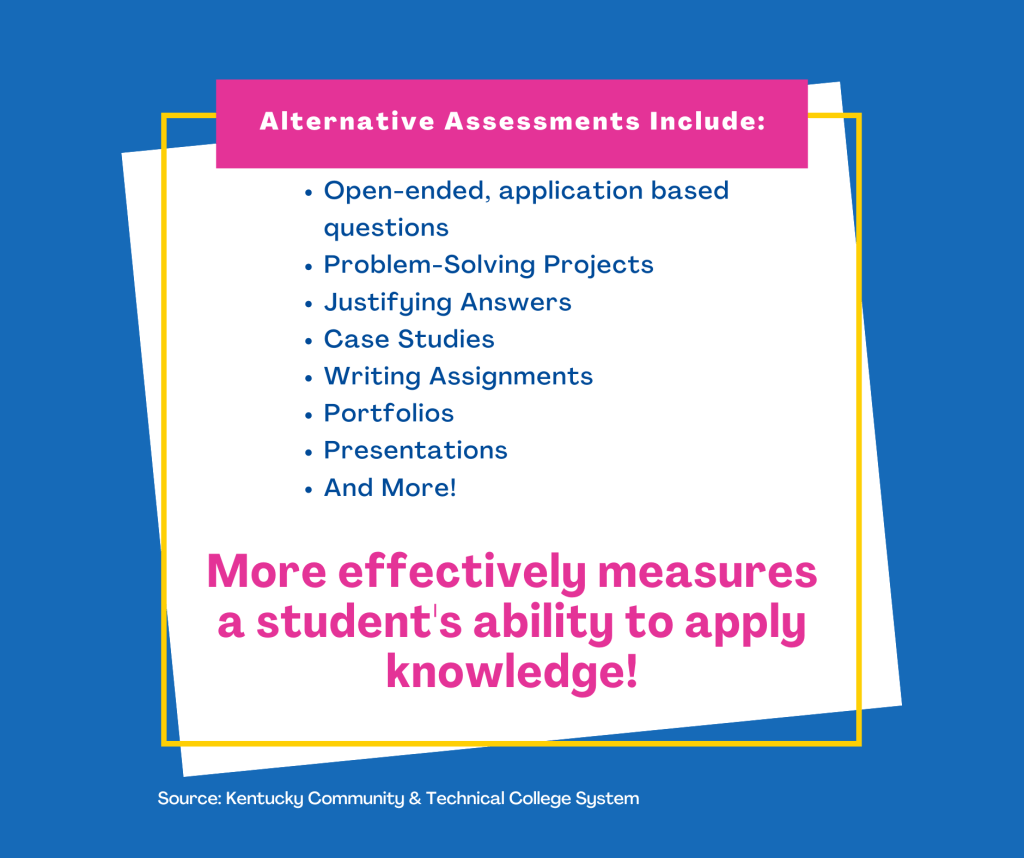
Narrative assessments play a crucial role in promoting student agency within alternative education settings. By utilizing narratives, educators can empower students to take ownership of their learning journey and become active participants in the assessment process.
One of the key benefits of narrative assessments is their ability to foster social-emotional learning (SEL). Alternative schooling often emphasizes holistic development, and narratives provide a platform for students to reflect on their emotions, experiences, and personal growth. Through this process, students develop self-awareness, empathy, and resilience.
Incorporating student voice and choice is another essential aspect of narrative assessments. By allowing students to share their stories from various perspectives or formats such as written narratives, audio recordings or videos; they are given the opportunity to express themselves authentically. This not only enhances engagement but also promotes diverse voices and perspectives within alternative education settings.
Narrative assessments also contribute to personalized learning by tailoring assessments to individual student needs. Educators can design prompts that align with students’ interests, strengths, and goals. This approach encourages creativity and innovation while ensuring that each student’s unique abilities are acknowledged.
Moreover, narrative assessments have a significant impact on student motivation and engagement. When learners see the value in sharing their stories through narratives that connect with real-world scenarios or issues relevant to them; they become more invested in their learning journey as it becomes meaningful to them personally.
Supporting diverse learners is paramount in alternative schooling environments; narrative assessments offer an inclusive approach by accommodating different learning styles, backgrounds cultures or languages spoken by both teachers as well as students attending these schools.
Technology plays an influential role in enhancing narrative assessments within alternative education settings. Online platforms allow for multimedia storytelling where students can use various digital tools including images videos texts links etc., amplifying possibilities for creative expression while providing opportunities for collaboration among peers regardless of geographical location.
Culturally responsive narrative assessments acknowledge the diversity present within alternative schooling contexts. By incorporating culturally sustaining narratives into assessments, educators affirm students’ identities and create a safe and inclusive learning environment.
Assessing creativity, critical thinking, collaboration, and interdisciplinary learning can be effectively done through narrative assessments. Students can showcase their abilities by integrating different subjects or perspectives within their narratives. This approach encourages holistic thinking and problem-solving skills.
Narrative assessments also provide an opportunity to evaluate social justice competencies within alternative schooling environments. By exploring themes of equity, inclusion, activism, and environmental consciousness in narratives; educators can assess student’s understanding of these topics as well as their ability to take action for positive change.
Self-reflection and metacognition are essential components of narrative assessments. Through the process of reflecting on their experiences and growth while engaging in metacognitive practices such as goal-setting or self-assessment; students develop lifelong learning habits that are crucial for success outside traditional educational pathways.
Peer feedback is another valuable aspect of narrative assessments in alternative schooling. By providing constructive feedback to one another’s stories; students not only improve their own writing skills but also develop collaboration skills while fostering a sense of community among peers.
Career readiness skills assessment can be seamlessly integrated into narrative assessments within non-traditional educational paths. Students can reflect on how they have applied transferable skills such as communication, problem-solving, adaptability or entrepreneurship through personal narratives linked to real-world experiences related to career aspirations.
Incorporating community partnerships further enriches the narrative assessment experience within alternative education settings. Collaborating with local organizations or experts allows students to engage with real-world issues or projects that are meaningful to them personally while expanding their understanding beyond the classroom walls thereby fostering holistic learning experiences.
Environmental consciousness and sustainability can also be assessed through narratives in alternative education settings. Students can explore topics like climate change, conservation efforts or sustainable living practices within their stories thereby demonstrating their knowledge commitment towards responsible citizenship
Promoting global citizenship is another important aspect addressed through cross-cultural storytelling using diverse narratives from around the world. By engaging with narratives that reflect different cultures, students develop empathy, cultural understanding and a broader perspective on global issues.
Digital literacy skills can be effectively assessed using multimedia narratives in alternative schooling contexts. Students can demonstrate their ability to navigate digital tools, critically evaluate online content or create multimedia presentations through their storytelling projects.
In conclusion, narrative assessments have proven to be a powerful tool for promoting student agency, fostering social-emotional learning, incorporating student voice and choice, personalizing learning experiences, enhancing motivation and engagement of diverse learners within alternative education settings. Through technology integration, culturally responsive approaches and focus on critical competencies like creativity innovation critical thinking collaboration interdisciplinary learning; narrative assessments contribute significantly to holistic development and lifelong learning habits among students attending alternate schools.
 Alternative Amie
Leave a comment