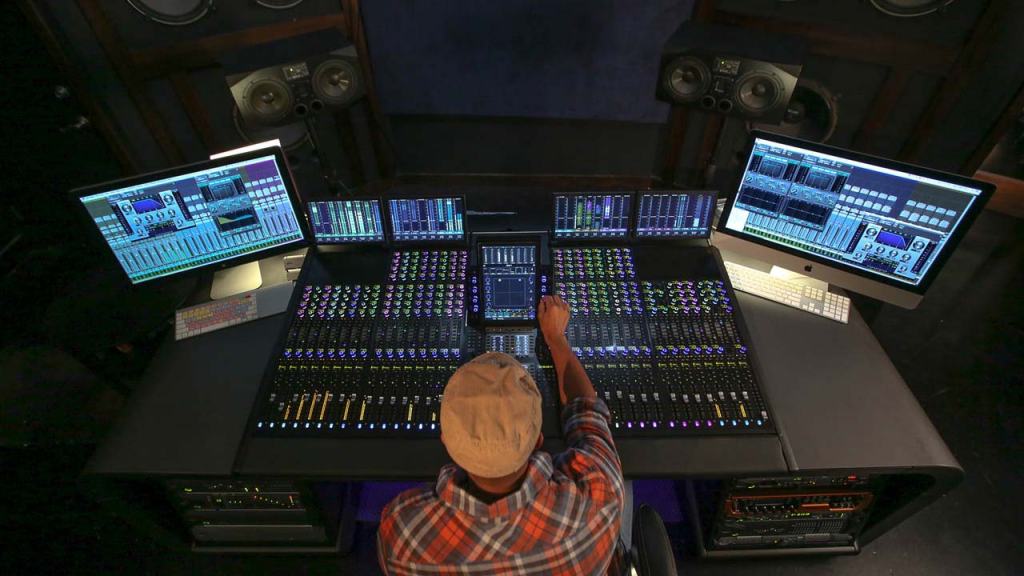
Music Technology and Production: Exploring the Creative Side of Sound
Introduction:
In today’s digital age, music technology has revolutionized the way we create, produce, and consume music. With advanced software, hardware, and recording techniques readily available, anyone with a passion for music can dive into the world of production. This article will delve into the exciting realm of music technology and explore its impact on education.
1. The Evolution of Music Technology:
From the invention of Edison’s phonograph to modern-day digital audio workstations (DAWs), music technology has come a long way. In earlier days, musicians relied on analog equipment like tape recorders and synthesizers. However, with advancements in computer processing power and software development, digital tools have become more accessible and affordable.
2. Benefits for Alternative Schooling:
Alternative schooling often emphasizes creativity and self-expression. Music technology provides an excellent outlet for students to explore their artistic side while developing technical skills simultaneously. It nurtures critical thinking abilities by encouraging experimentation with different sounds, effects, and compositions.
3. Digital Audio Workstations (DAWs):
At the heart of modern music production is the DAW – a software application that allows users to record, edit, mix, and master audio tracks. Popular DAWs such as Ableton Live or Logic Pro offer comprehensive features suitable for beginners as well as professionals.
4. Virtual Instruments:
Virtual instruments simulate traditional musical instruments digitally using MIDI controllers or computer keyboards.
Students can experiment with various instruments without actually owning them physically—an ideal scenario for schools where budget constraints may limit instrument availability.
5.MIDI Controllers:
Musical Instrument Digital Interface (MIDI) controllers are devices that convert physical gestures or actions into electronic signals used by computers or synthesizers.
They enable students to play virtual instruments using tactile interfaces such as keyboards or drum pads—enhancing their understanding of musical concepts like melody or rhythm.
6.Sampling Techniques:
Sampling involves taking snippets of pre-existing recordings and repurposing them creatively. This technique enables students to explore different genres, create unique sounds, and learn about copyright issues.
Through sampling, students can develop an understanding of the historical context of music while experimenting with new musical ideas.
7. Music Production Techniques:
Music production involves much more than just recording sounds. It encompasses aspects like arranging, mixing, and mastering.
Students can experiment with these techniques using their DAWs to enhance their compositions by adding effects or balancing audio levels—developing a keen ear for detail and sound engineering.
8. Collaborative Learning Opportunities:
One significant advantage of music technology is its ability to connect students from different locations.
Online platforms allow students to collaborate in real-time on projects, helping them build teamwork skills beyond physical boundaries.
9. Integration with STEM Education:
Music technology seamlessly integrates with science, technology, engineering, and mathematics (STEM) education.
Exploring the technical aspects behind music production introduces concepts such as waveform analysis or signal processing—bridging the gap between arts and sciences.
10. Career Pathways:
The skills gained through music technology have practical applications outside of simply producing music.
Students interested in careers as sound engineers or producers can pursue higher education programs specializing in audio engineering or music production—opening up opportunities in various industries such as film scoring, gaming audio design,
or live sound reinforcement.
Conclusion:
Music technology plays a pivotal role in alternative schooling environments by nurturing creativity while developing technical skills. Through digital audio workstations (DAWs), virtual instruments, MIDI controllers,
sampling techniques,and collaborative learning opportunities,
students gain valuable knowledge that extends beyond the realm of music itself – fostering critical thinking,
teamwork abilities,and potential career pathways within creative industries.
By embracing this innovative approach to education,
alternative schools empower future generations to explore their artistic side
while equipping them with essential technological competencies for a rapidly evolving world
 Alternative Amie
Leave a comment