Famous Inventors and Their Revolutionary Inventions
In the realm of education, it is crucial to recognize the contributions of famous inventors who have shaped our world through their groundbreaking innovations. These inventors not only changed the way we live but also transformed the field of education by introducing new tools and methodologies. Let’s dive into some remarkable inventions that have had a profound impact on alternative schooling and education.
Thomas Edison – The Light Bulb:
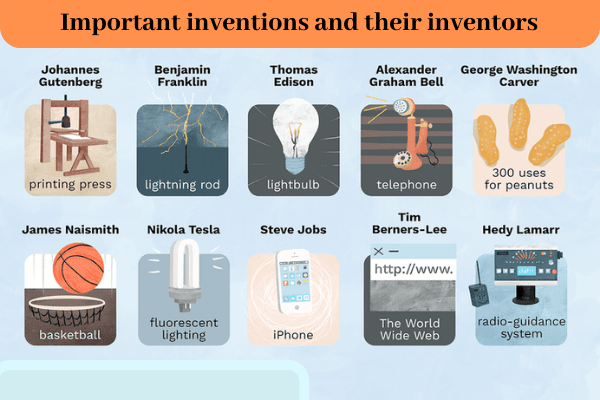
One cannot discuss famous inventors without mentioning Thomas Edison and his most well-known invention – the incandescent light bulb. With its invention in 1879, Edison revolutionized lighting systems worldwide, transforming classrooms with bright, consistent illumination regardless of natural lighting conditions. This innovation enabled extended study hours for students and improved overall learning environments.
Marie Curie – Radioactive Elements:
Marie Curie’s discovery of radioactive elements like polonium and radium paved the way for advancements in medical imaging technology such as X-rays. This breakthrough has been instrumental in diagnosing various illnesses promptly. In educational settings, X-ray machines are utilized for hands-on demonstrations in physics classes, allowing students to visualize concepts related to radiation and atomic structure.
Alexander Graham Bell – Telephone:
The invention of the telephone by Alexander Graham Bell greatly impacted communication within educational institutions. Prior to this innovation in 1876, schools relied heavily on written correspondence or physical presence for important announcements or emergencies. With telephones becoming widespread, schools could now communicate quickly with parents, teachers could connect with each other instantly for collaboration purposes, and students gained access to countless educational resources via phone calls.
Johannes Gutenberg – Printing Press:
The introduction of Johannes Gutenberg’s printing press during the mid-15th century marked a significant turning point in history. The mass production of books became possible at unprecedented rates, leading to increased availability and affordability of reading materials. Schools began using textbooks extensively as a result, opening up opportunities for standardized curricula and the dissemination of knowledge to a wider audience.
Steve Jobs – Personal Computers:
Steve Jobs, co-founder of Apple Inc., played a pivotal role in bringing personal computers into the mainstream. With the release of Apple II in 1977, schools gained access to affordable computing power. This invention revolutionized education by providing students with interactive learning tools, digital libraries, and educational software. Today, personal computers are an integral part of classrooms worldwide.
These famous inventors and their innovative creations have significantly impacted alternative schooling and education. Their inventions continue to shape how we learn, teach, communicate, and access information within educational environments. As we embrace technological advancements in education today, it is essential to acknowledge these pioneers who laid the foundation for our modern educational systems.
 Alternative Amie
Leave a comment