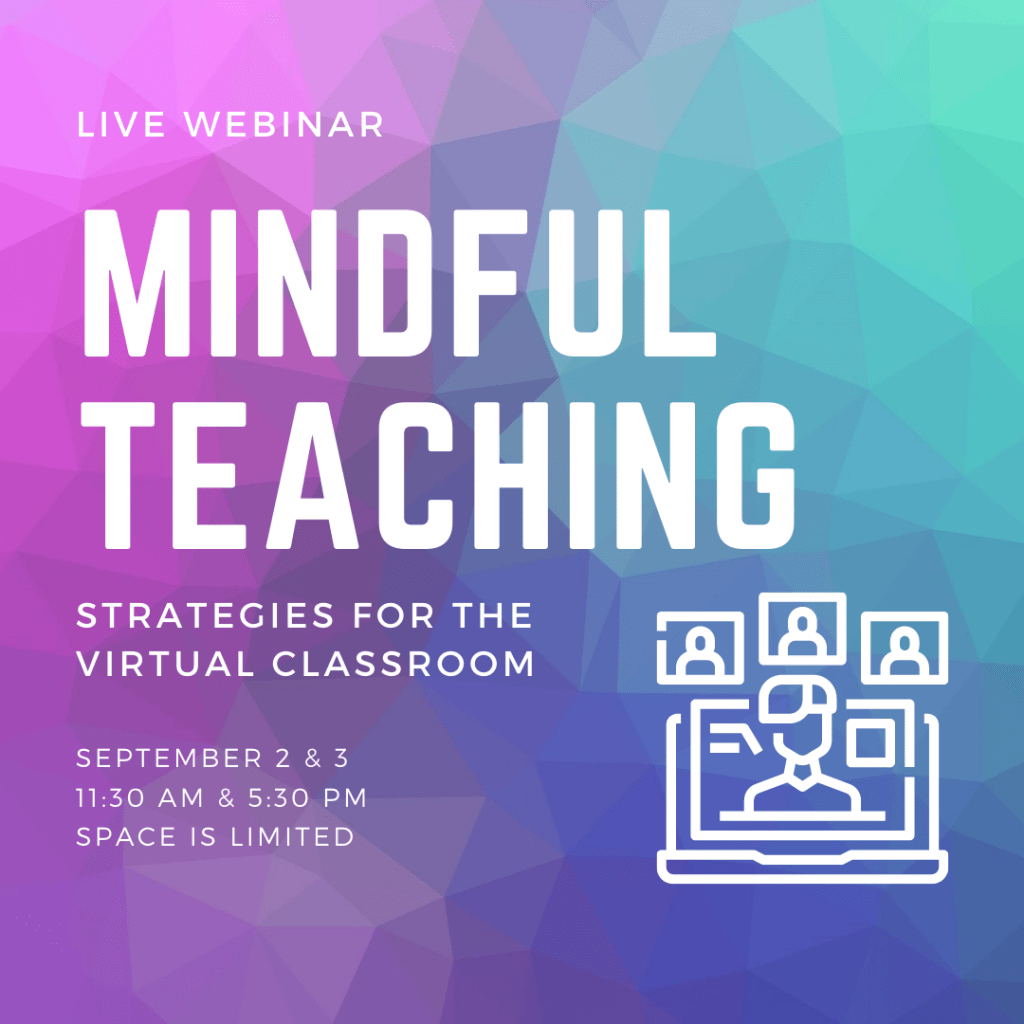
Mindfulness Practices: Cultivating Peace and Focus in Alternative Education
In today’s fast-paced world, where stress and distractions seem to be the norm, alternative schools are increasingly turning to mindfulness practices as a means of promoting well-being and enhancing learning experiences. Mindfulness is the practice of being fully present in the moment, without judgment or attachment to thoughts or emotions. By incorporating mindfulness into their curriculum, alternative schools are providing students with invaluable tools for personal growth and self-awareness.
One of the most common mindfulness practices used in alternative education is meditation. Meditation involves sitting quietly and focusing on one’s breath or a specific object while observing any thoughts or sensations that arise. This simple act can help students develop concentration and an ability to regulate their own attention. Regular meditation practice has been found to reduce stress, improve focus, enhance memory retention, and increase overall mental clarity.
In addition to formal meditation sessions, many alternative schools incorporate informal mindfulness exercises into everyday activities. For example, teachers may encourage students to eat mindfully by paying full attention to each bite they take – noticing flavors, textures, and sensations in their bodies. This practice helps cultivate a sense of gratitude for nourishment while fostering healthy eating habits.
Another popular mindfulness exercise is body scan meditation. In this practice, students lie down comfortably while systematically bringing awareness to different parts of their bodies from head to toe. This exercise helps them connect with bodily sensations and brings about a deeper understanding of the mind-body connection.
Alternative schools also find value in using mindful movement practices such as yoga or tai chi as part of their curriculum. These activities not only promote physical fitness but also help students become more attuned to their bodies through focused movements and breathing techniques.
Beyond individual practices like meditation or yoga, some alternative schools embrace mindful communication exercises that foster empathy and active listening skills among students. These exercises involve deep listening without interrupting or judging others’ words while speaking from personal experience honestly and authentically. By cultivating compassionate communication, alternative schools create a safe and supportive environment for students to express themselves openly.
The benefits of incorporating mindfulness practices into alternative education are far-reaching. Students who engage in regular mindfulness practice often report improved emotional well-being, reduced anxiety, increased self-confidence, and enhanced interpersonal relationships. Moreover, these practices teach valuable skills that can be carried over into adulthood and applied in various aspects of life.
In conclusion, mindfulness practices have become integral to alternative education as a means of promoting mental clarity, emotional well-being, and personal growth among students. Whether through formal meditation sessions or informal exercises integrated into everyday activities, the cultivation of mindfulness equips students with valuable tools for enhancing their learning experiences and navigating the challenges they may face both inside and outside the classroom.
 Alternative Amie
Leave a comment