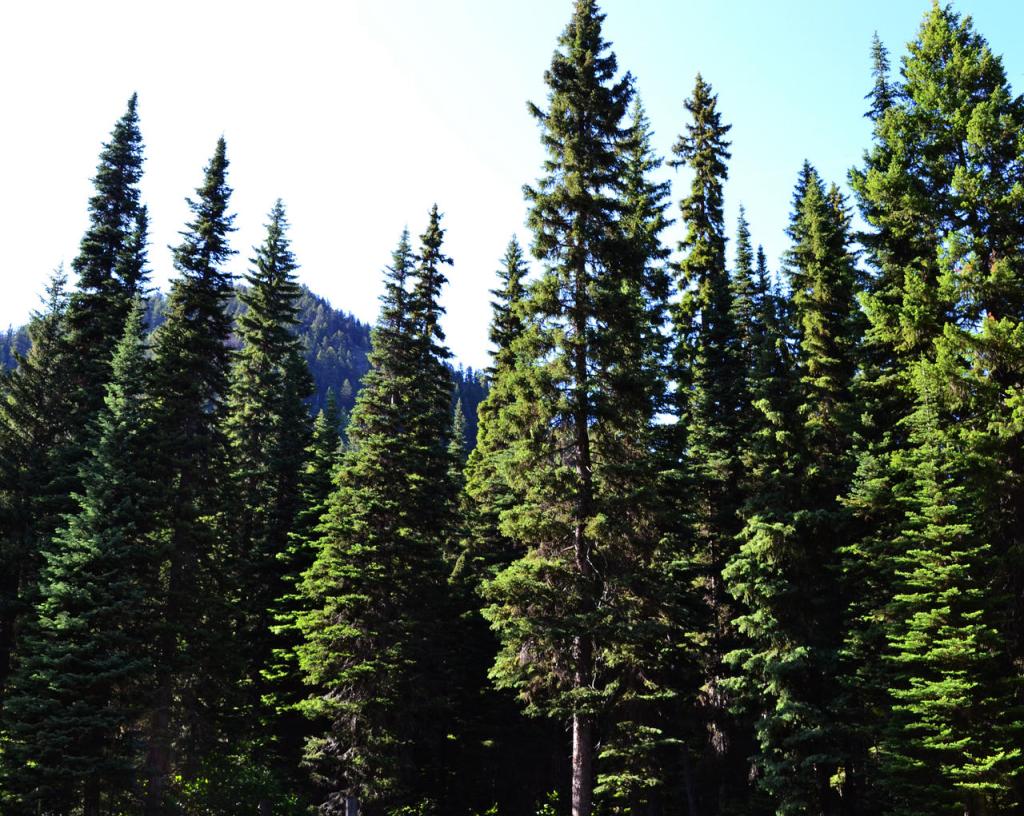
Coniferous Forest: A Natural Classroom for Alternative Education
As educators explore alternative schooling methods, it is crucial to consider the importance of connecting students with nature. One exceptional environment that offers a wealth of learning opportunities is the coniferous forest. These forests, also known as taiga or boreal forests, are characterized by their dense population of cone-bearing evergreen trees such as pine, spruce, and fir.
1. Introduction to Coniferous Forests:
Covering vast areas across North America, Europe, and Asia, coniferous forests provide a unique ecosystem for students to explore. With their tall trees reaching towards the sky and thick underbrush carpeting the forest floor, these habitats offer an immersive experience that engages all senses.
2. Biodiversity:
Despite being dominated by one type of tree, coniferous forests support a diverse range of flora and fauna. This biodiversity allows students to witness firsthand the interconnectedness between various species and understand the concept of ecosystems.
3. Adaptations:
The harsh climate in coniferous forests has shaped plants and animals with remarkable adaptations for survival. From thick bark on trees that protects them from wildfires to animals like lynx and snowshoe hares evolving white fur during winter months for camouflage – these adaptations serve as perfect examples of natural selection.
4. Seasonal Changes:
Coniferous forests undergo dramatic transformations throughout the year due to changing seasons. Students can observe how trees shed leaves (needles) gradually instead of all at once like deciduous trees do during autumn.
5. Wildlife Observation:
The forest’s abundant wildlife offers endless opportunities for observation and study within alternative education settings. Students can learn about predator-prey relationships by observing wolves hunting moose or see how squirrels gather food before winter sets in.
6. Ecosystem Services:
Coniferous forests play a vital role in maintaining environmental balance through services provided to surrounding communities such as water regulation, carbon sequestration, and habitat provision. Exploring these services can help students understand the significance of forest conservation.
7. Indigenous Knowledge:
Many indigenous communities have deep connections with coniferous forests, relying on them for sustenance, medicine, and cultural practices. Integrating indigenous knowledge into alternative education programs fosters a holistic understanding of the forest’s value and promotes inclusivity.
8. Forest Management:
Introducing students to sustainable forest management practices is essential in cultivating responsible environmental stewardship. They can learn about selective logging techniques or explore reforestation efforts aimed at restoring degraded areas.
9. Outdoor Skills:
Coniferous forests provide ample opportunities for hands-on learning experiences that develop outdoor skills such as navigation, shelter building, fire starting, and foraging for edible plants like berries or mushrooms (with expert guidance).
10. Artistic Inspiration:
The serene beauty of coniferous forests has inspired artists throughout history. Encouraging creative expression through activities like painting landscapes or writing poetry allows students to form a deeper connection with nature while nurturing their artistic abilities.
11. Nature-Based Therapy:
Spending time in nature has proven therapeutic benefits for mental health and well-being. Coniferous forests offer an ideal setting to practice mindfulness exercises or engage in reflective journaling that aids personal growth and self-discovery.
12: Conservation Efforts
Lastly, it is crucial to educate students about the threats facing coniferous forests such as deforestation and climate change effects like increased wildfires or pest outbreaks. By raising awareness among young minds today, we empower them to make informed choices towards a more sustainable future.
In conclusion, coniferous forests serve as exceptional classrooms for alternative education approaches due to their rich biodiversity, seasonal changes, wildlife observation opportunities, ecosystem services provided within the community context, integration of indigenous knowledge systems, sustainable forest management lessons,
outdoor skill development possibilities,
artistic inspiration offered by natural beauty,
potential for nature-based therapy,
and the urgent need for conservation efforts. By immersing students in these natural classrooms, we can foster a deep appreciation for nature and instill lifelong values of environmental stewardship.
 Alternative Amie
Leave a comment