Enhancing Metacognition Skills: A Guide to Self-Awareness and Effective Learning
Introduction:
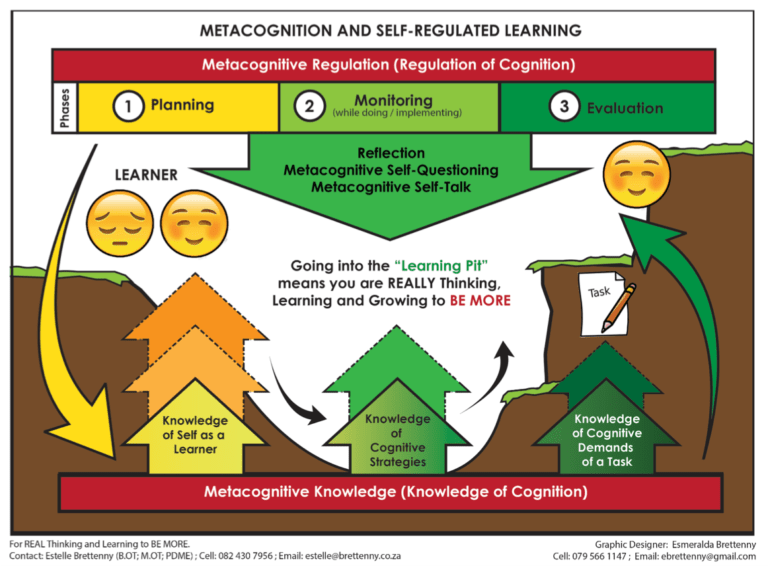
Metacognition refers to the ability to think about and have awareness of one’s own thinking processes. It involves understanding how we learn, monitor our progress, and make adjustments when faced with challenges. By developing metacognitive skills, individuals can become more self-aware learners who are better equipped to tackle complex tasks, solve problems creatively, and improve their overall academic performance.
In this post, we will explore various strategies that can help enhance metacognition skills in students of all ages. These techniques can be incorporated into alternative schooling and education environments where fostering critical thinking and independent learning is highly valued.
1. Reflection:
One of the fundamental aspects of metacognition is reflection. Encourage students to regularly reflect on their learning experiences by asking questions such as:
– What did I learn today?
– How did I approach solving a problem or completing a task?
– Did my strategy work effectively? Why or why not?
– What could I do differently next time?
Reflection prompts self-analysis and encourages students to evaluate their own thought processes objectively.
2. Goal Setting:
Setting clear goals helps students focus on what they want to achieve academically. Teach them how to set specific, measurable, attainable, relevant, and time-bound (SMART) goals.
For example:
Instead of saying “I want to get better at math,” encourage them to set a SMART goal like “I will improve my multiplication skills by practicing for 30 minutes every day for two weeks.”
3. Mindfulness Practices:
Practicing mindfulness enhances attention span and self-awareness while reducing stress levels. Incorporate activities such as deep breathing exercises or guided meditation sessions into your curriculum.
By teaching students how to be present in the moment without judgment, you enable them to recognize distractions that hinder effective learning.
4. Cognitive Strategies:
Teach students different cognitive strategies to help them tackle complex tasks. These strategies include:
– Chunking: Breaking down large tasks into smaller, more manageable parts.
– Visualization: Creating mental images to aid understanding and recall of information.
– Summarizing: Condensing key concepts or ideas into concise summaries.
By equipping students with these strategies, they can approach learning in a structured and systematic manner.
5. Metacognitive Prompts:
Provide metacognitive prompts during instruction to encourage students to think about their thinking. For instance, ask questions like:
– What are you thinking while solving this problem?
– How did you decide on your answer?
– Did you encounter any difficulties? If so, how did you overcome them?
Prompting self-reflection during the learning process cultivates metacognitive awareness.
6. Journaling:
Encourage students to keep a journal where they reflect on their thoughts and emotions related to their learning experiences. This practice helps promote self-awareness by allowing students to identify patterns in their thinking over time.
7. Peer Collaboration:
Collaborative activities enable students to learn from each other’s perspectives and thought processes. Peer collaboration also provides an opportunity for discussions that foster critical thinking skills.
When working collaboratively, students can share insights into how they approached a task or solved a problem, promoting metacognition through the exchange of different strategies and techniques.
8. Self-Assessment:
Teach students how to assess their own work critically using rubrics or checklists provided beforehand. Encourage them to evaluate aspects such as organization, clarity of ideas, evidence used, etc.
Self-assessment promotes autonomy in learning by allowing students to take ownership of their progress and identify areas for improvement.
9. Scaffolding:
Incorporate scaffolding techniques into instruction by gradually reducing support as students become more proficient with a task or concept.
Initially providing guidance enables learners to observe effective strategies before attempting tasks independently.
10. Mistake Analysis:
Help students view mistakes as opportunities for growth rather than failures. Encourage them to analyze their mistakes and identify areas where improvement is needed.
By understanding the underlying causes of errors, students can develop strategies to avoid repeating them in the future.
Conclusion:
Enhancing metacognition skills is crucial for empowering students to become lifelong learners who take control of their own learning processes. By incorporating reflection, goal setting, mindfulness practices, cognitive strategies, and other techniques outlined above into alternative schooling and education environments, educators can equip students with the tools they need to succeed academically and beyond.
 Alternative Amie
Leave a comment