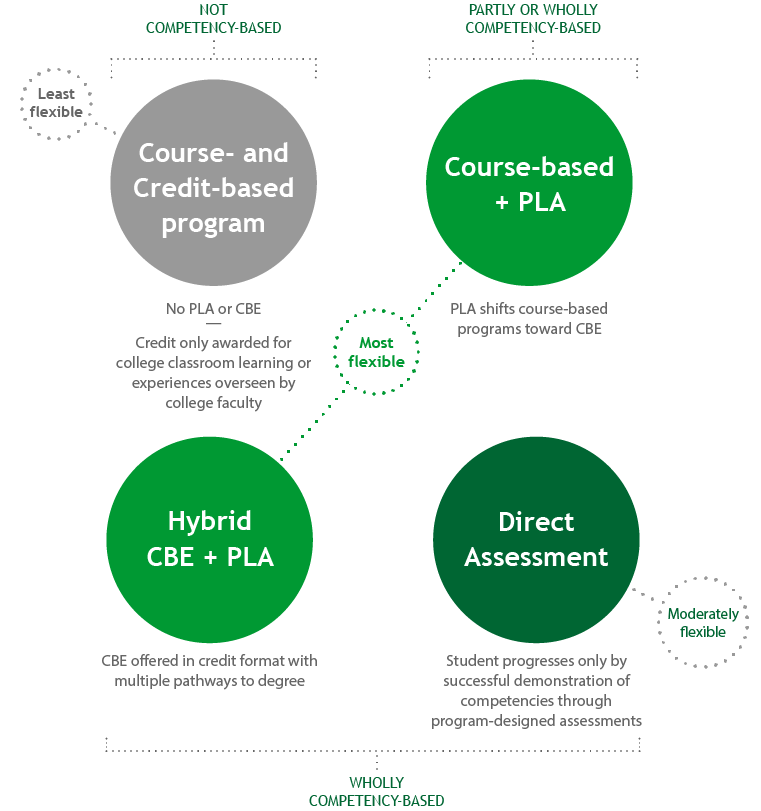
Competency-based education (CBE) is a student-centered approach that focuses on mastery of specific skills or competencies rather than traditional seat time. It offers a personalized learning experience for students, allowing them to progress at their own pace and ensuring they have a deep understanding of the subject matter before moving on.
One key component of CBE is the development of personalized learning plans. These plans are tailored to each individual student’s needs, interests, and goals. They outline the competencies that need to be mastered and provide a roadmap for how the student will achieve those goals. Personalized learning plans take into account each student’s strengths, weaknesses, and preferred learning styles.
Mastery-based grading systems are another important aspect of CBE. Instead of receiving letter grades or percentages, students are assessed based on their ability to demonstrate mastery in specific areas. This means that students must show proficiency in a skill before they can move on to the next level or topic.
To assess competency, schools often use competency-based assessments. These assessments focus on real-world applications of knowledge and skills rather than rote memorization or regurgitation of facts. Students may be asked to complete projects, presentations, or performance tasks that require them to apply what they have learned in meaningful ways.
Individualized instruction is also crucial in CBE classrooms. Teachers work closely with students to identify their unique needs and provide targeted support and instruction accordingly. This can include small group work, one-on-one tutoring, or differentiated assignments based on each student’s readiness level.
Project-based learning plays an integral role in CBE as it allows students to apply their knowledge and skills in authentic contexts. By working on projects that mirror real-life scenarios, students develop critical thinking, problem-solving skills while gaining a deeper understanding of the subject matter.
Curriculum development in CBE involves mapping out specific competencies across grade levels and designing instructional materials aligned with these competencies. This ensures that there is a clear progression of learning and that students are building on their skills as they advance.
Teachers play a crucial role in CBE, and thus, teacher training and professional development programs should equip educators with the necessary skills to implement this approach effectively. Training should focus on competency-based instruction, assessment methods, personalized learning strategies, and the use of technology in the classroom.
Differentiated instruction is essential in CBE to meet the diverse needs of all learners. Teachers must provide various instructional approaches, materials, and assessments to address individual student strengths and challenges.
CBE can also be beneficial for students with special needs. By providing personalized learning plans and individualized instruction, educators can cater to each student’s unique learning requirements. Assistive technology tools can further enhance their educational experience.
Integrating technology into CBE classrooms can amplify student engagement and allow for more adaptive learning experiences. Technology tools such as online platforms, simulations, virtual reality, or interactive multimedia resources enable students to explore concepts independently while receiving immediate feedback.
Parental involvement is vital in supporting the success of students in a competency-based setting. Parents should have regular communication with teachers about their child’s progress and goals. They can also support their child’s learning at home by creating an environment conducive to independent study or assisting with project-based tasks.
Competency-based education is not limited to K-12 settings; it has proven effective for adult learners as well. Adult learners often have specific goals they want to achieve within a timeframe; therefore, a flexible competency-based approach allows them to progress according to their own pace while acquiring relevant skills for career advancement or personal growth.
Social-emotional learning (SEL) is an integral part of CBE because it focuses on developing students’ emotional intelligence alongside academic knowledge. SEL helps foster self-awareness, social awareness, relationship-building skills through activities like peer collaboration projects or reflection exercises.
CBE aligns well with career readiness initiatives as it emphasizes real-world application of skills. By integrating career exploration, internships, and partnerships with local businesses or community organizations, students gain practical experience and a deeper understanding of potential career paths.
Equity and access are essential considerations in CBE to ensure that all students have equal opportunities for success. Schools must address barriers such as resource disparities or biases in assessment practices to create an inclusive learning environment.
Transitioning from traditional education models to competency-based models requires careful planning and support. Administrators should provide professional development opportunities for teachers and ensure that the necessary infrastructure is in place to support personalized learning plans, mastery grading systems, and competency-based assessments.
Assessment strategies play a crucial role in measuring competencies effectively. Traditional tests may not accurately reflect a student’s true understanding or ability to apply knowledge. Authentic assessment methods such as portfolios, presentations, or performance tasks provide more comprehensive insights into students’ mastery of competencies.
Supporting student motivation and engagement is vital within a competency-based setting. Teachers can promote autonomy by allowing students choice in their assignments or providing opportunities for self-reflection on their progress towards goals.
Building partnerships with community organizations is another valuable aspect of CBE. These partnerships offer real-world learning experiences through internships, mentorship programs, or collaborative projects that connect classroom learning with the world beyond school walls.
Feedback and reflection are integral components of CBE as they help students track their progress towards mastering competencies. Regular feedback from teachers enables students to identify areas for improvement while reflection exercises encourage metacognitive thinking.
Cultural responsiveness and diversity should be addressed in competency-driven approaches to education. Curriculum materials should represent diverse perspectives while instruction should consider cultural backgrounds to ensure educational equity for all learners.
Competency mapping allows educators to track student progress systematically by identifying specific skills or knowledge areas that need improvement. By breaking down larger competencies into smaller sub-skills or milestones, educators can monitor individual growth accurately.
Implementing flexible pacing options within a competency framework is crucial to meet the diverse learning needs of students. Some learners may require additional time or support to master certain competencies, while others may progress quickly and benefit from acceleration options.
Challenges and barriers to implementing CBE must be addressed proactively. These can include resistance to change, lack of resources or training for teachers, or concerns about standardized testing requirements. Collaboration among stakeholders and ongoing professional development can help overcome these challenges.
Leadership plays a vital role in driving successful implementation of CBE models. School leaders should provide a clear vision for competency-based education, allocate resources effectively, and create a supportive culture that values innovation and collaboration.
Exploring the impact of CBE on student retention and graduation rates is essential for assessing its effectiveness. Research indicates that CBE can improve student outcomes by providing personalized pathways to success.
Peer collaboration and support networks are valuable elements within CBE environments. Students can learn from each other’s strengths through group projects or peer tutoring opportunities, fostering a sense of community and shared responsibility for learning.
In conclusion, competency-based education offers a student-centered approach that focuses on mastery of specific skills or competencies through personalized learning plans, individualized instruction, project-based learning, and authentic assessment methods. It addresses the diverse needs of students with special needs or adult learners while promoting social-emotional learning and career readiness skills. Implementing CBE requires leadership support, teacher training/professional development programs, technology integration strategies, parental involvement/communication channels along with addressing equity/access challenges within school communities.
 Alternative Amie
Leave a comment