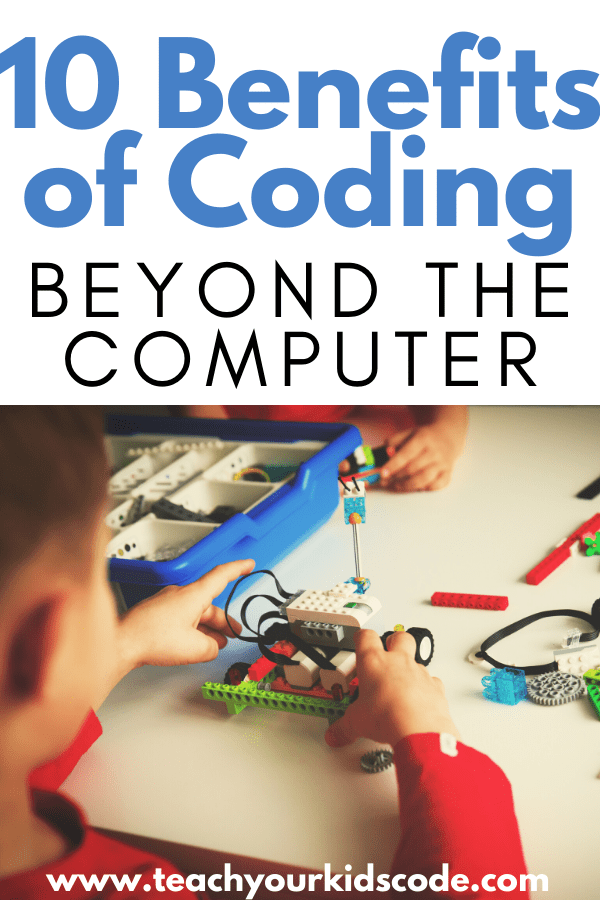
Coding and computer programming are valuable skills that can open up a world of opportunities for students. In today’s digital age, understanding how to code is becoming increasingly important. It not only provides a foundation for future careers in technology but also enhances problem-solving abilities, critical thinking skills, and creativity. In this post, we will explore the benefits of teaching coding to students and provide some resources and tips for getting started.
1. Why teach coding?
There are several compelling reasons why coding should be incorporated into alternative schooling and education programs:
a) Future job prospects: The demand for skilled coders continues to grow rapidly across various industries. By equipping students with coding knowledge early on, they gain a competitive advantage in the job market.
b) Problem-solving skills: Coding encourages logical thinking and problem-solving abilities. When faced with complex challenges, coders learn to break them down into smaller parts and create step-by-step solutions.
c) Creativity: Coding allows students to express their creativity by building unique projects from scratch or customizing existing ones. This fosters innovation and empowers students to think outside the box.
d) Computational thinking: Coding helps develop computational thinking skills, which involve breaking down problems into smaller steps while considering patterns and algorithms. These skills are transferable beyond programming tasks.
2. How to introduce coding in alternative schooling:
a) Start with block-based languages: Block-based programming languages like Scratch or Blockly are excellent starting points for beginners as they use visual blocks that can be dragged and dropped together like puzzle pieces. These languages help familiarize students with key concepts such as loops, conditionals, variables without worrying about syntax errors initially.
b) Incorporate gamified learning platforms: Platforms like Code.org or Tynker offer interactive lessons designed specifically for young learners through game-like experiences. They provide engaging challenges that gradually introduce new concepts while keeping things fun and exciting.
c) Utilize online tutorials: Websites like Khan Academy, Codecademy, and Udacity offer free or low-cost coding courses suitable for beginners. These platforms provide step-by-step tutorials in various programming languages and are a great resource for self-paced learning.
d) Encourage project-based learning: Once students grasp the basics, encourage them to work on projects that interest them. Whether it’s creating a simple game, designing a website, or building a mobile app, allowing students to apply their skills in real-world scenarios fosters creativity and problem-solving abilities.
3. Tips for teaching coding effectively:
a) Make it hands-on: Coding is best learned through practical application rather than theoretical knowledge alone. Encourage students to actively engage with coding exercises and projects to reinforce their understanding of concepts.
b) Foster collaboration: Group activities involving coding foster teamwork, communication skills, and peer learning. Encourage students to work together on projects or pair programming exercises where they take turns being the “driver” (writing code) while the other acts as the “navigator” (providing guidance).
c) Celebrate achievements: Acknowledge and celebrate milestones reached by your students throughout their coding journey. This boosts their confidence and motivates them to continue exploring new challenges.
d) Provide opportunities for exploration: Allow students to explore different programming languages based on their interests. Some may prefer web development using HTML/CSS/JavaScript while others might be more interested in Python for data analysis or Java for Android app development.
4. Additional resources:
a) Raspberry Pi Foundation – Offers affordable mini-computers that can be used for various coding projects.
b) GitHub Education – Provides access to tools, resources, and training materials specifically tailored for educational purposes.
c) CS Unplugged – A collection of free teaching materials that teach computer science through engaging activities without requiring computers.
d) Codewars – Online platform offering coding challenges where users can improve their skills by solving problems submitted by others.
In conclusion, coding and computer programming should be an integral part of alternative schooling and education programs. By teaching coding, we equip students with essential skills for the future job market, enhance problem-solving abilities, foster creativity, and develop computational thinking. With the numerous resources available online and a hands-on approach to learning, students can embark on an exciting journey into the world of coding.
 Alternative Amie
Leave a comment