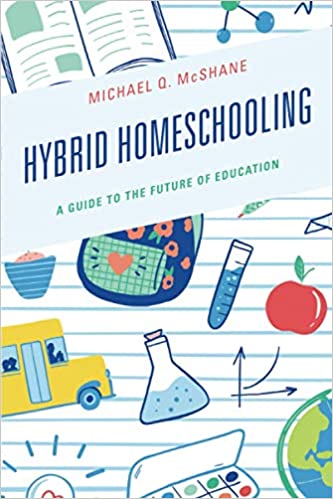
Incorporating Technology in Hybrid Homeschooling
Education has always been a dynamic field, constantly evolving to meet the changing needs of students and society. With the advent of technology, the landscape of education has transformed dramatically. Traditional homeschooling has also seen significant changes with the incorporation of technology, giving rise to hybrid homeschooling.
Hybrid homeschooling is a blend of traditional homeschooling and online learning. It offers flexibility and personalized instruction while harnessing the power of technology to enhance educational experiences. This innovative approach allows students to learn at their own pace with customized curriculum options while benefiting from digital resources and interactive tools.
One of the key advantages of incorporating technology in hybrid homeschooling is access to a vast array of resources beyond what can be found in traditional textbooks. Online libraries provide an extensive collection of e-books, articles, videos, and other multimedia materials that cater to various interests and learning styles. Students can explore subjects deeply through virtual trips, simulations, or interactive games that make learning engaging and fun.
Furthermore, online platforms offer opportunities for collaboration among homeschooled students. Virtual classrooms allow learners from different parts of the world to connect with each other, fostering cultural exchange and broadening perspectives. Discussion forums enable students to share ideas and insights on specific topics or assignments while receiving feedback from peers or teachers.
Technology also enables parents who may not have expertise in certain subjects to facilitate their child’s learning effectively. Online courses led by qualified instructors can supplement areas where parents may lack proficiency or confidence. Parents can personalize their child’s curriculum by selecting courses that align with their interests or future goals – be it coding, creative writing, robotics, or foreign languages – all within reach through various online platforms.
Adaptability is another significant advantage offered by incorporating technology into hybrid homeschooling. The ability to tailor lessons based on individual student needs ensures efficient use of time and resources. Adaptive software tracks progress accurately so that students receive targeted interventions when necessary. This customization allows students to advance at their own pace, preventing boredom from easy tasks or frustration from struggling with challenging concepts.
Moreover, technology facilitates real-time assessment and feedback. Online quizzes, interactive activities, and instant grading systems enable students to gauge their understanding of the material immediately. Teachers or parents can access detailed reports outlining areas of strength and weakness for each student, allowing for timely intervention or additional support as needed.
Technology also expands the educational horizons beyond traditional boundaries. Hybrid homeschooling provides opportunities for virtual field trips that transport students to historical sites, museums, laboratories, or even outer space – all without leaving their homes. These immersive experiences enrich learning by bringing subjects to life in ways that textbooks alone cannot achieve.
Additionally, incorporating technology in hybrid homeschooling prepares students for a digital future. As society becomes increasingly reliant on technology in various fields like science, communication, and business – acquiring digital literacy skills is crucial. By using online platforms and tools regularly as part of their education journey, homeschooled students develop competency in navigating digital spaces and utilizing technological resources effectively.
However beneficial it may be to incorporate technology into hybrid homeschooling; it is essential to strike a balance between screen time and other activities. Ensuring a healthy mix of outdoor exploration, hands-on experiments or projects will help prevent excessive reliance on screens while promoting holistic development.
Parents who opt for hybrid homeschooling must also provide adequate guidance regarding responsible online behavior and internet safety practices. Teaching children how to critically evaluate information sources is vital in this age where misinformation spreads easily on the internet.
In conclusion, incorporating technology in hybrid homeschooling offers numerous advantages over traditional forms of education delivery. It provides access to a vast array of resources beyond what can be found in textbooks alone while enabling collaborative learning among homeschooled peers globally. The adaptability offered by online platforms ensures personalized instruction tailored specifically to individual student needs while real-time assessment helps track progress effectively.
Furthermore
 Alternative Amie
Leave a comment