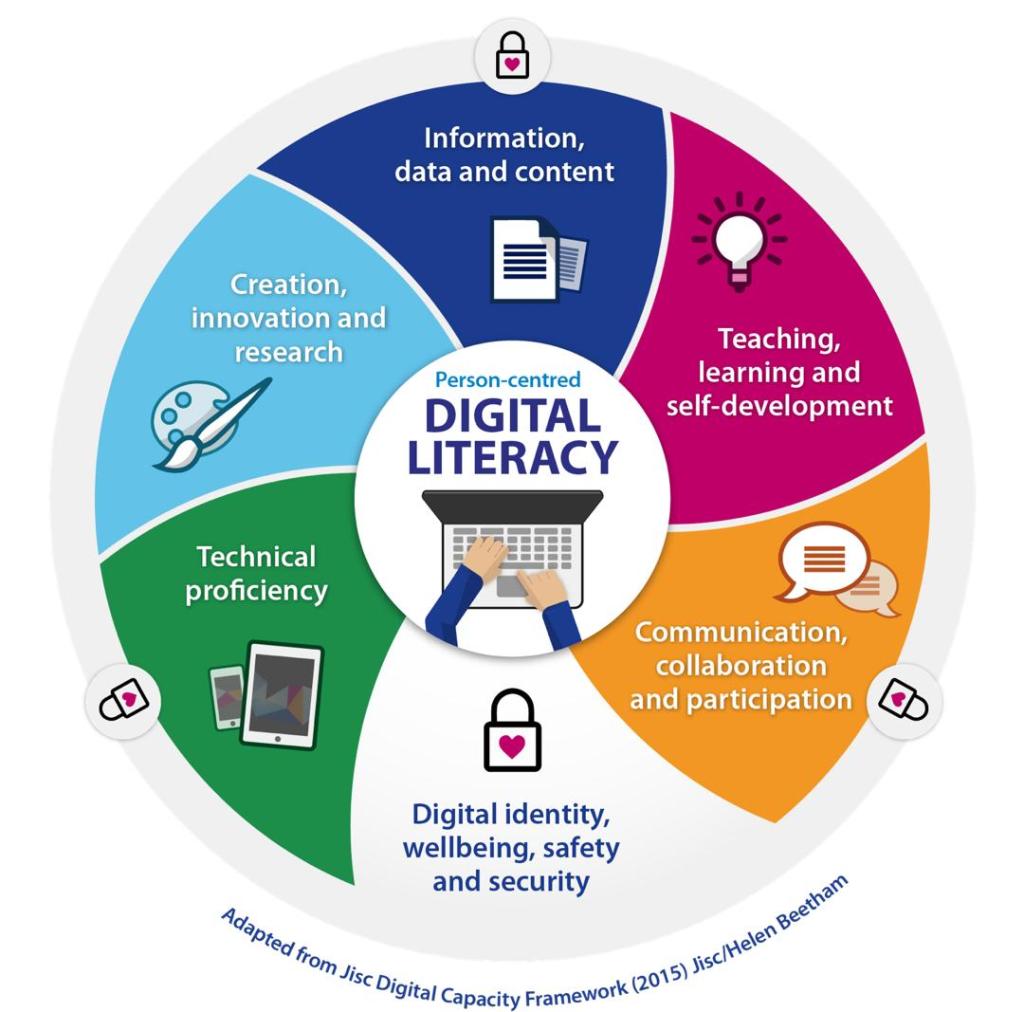
Digital Literacy Skills: Navigating the Wild World of the Internet
In today’s digital age, being skilled in navigating the online world has become a necessity. Gone are the days when we relied solely on encyclopedias and libraries for information. Now, with just a few clicks, we have access to endless knowledge at our fingertips. But with great power comes great responsibility – and sometimes, hilarious mishaps. So buckle up and let’s embark on a journey through the wild world of digital literacy skills.
1. Mastering Google-fu
Google is like that friend who knows everything about everything but can be quite elusive at times. We all turn to Google for answers to life’s burning questions or that nagging curiosity about whether cats can really fly (spoiler alert: they cannot). But knowing how to search effectively is key.
First things first, don’t be afraid to get specific with your search terms. Instead of typing “chocolate cake recipe,” try something like “easy chocolate cake recipe without eggs.” This will help narrow down your results and save you from scrolling through pages of irrelevant information.
Another useful tip is utilizing quotation marks around phrases you want Google to search as an exact match. For example, searching “how much wood would a woodchuck chuck” will give you more accurate results than just typing those words haphazardly.
2. The Art of Fact-Checking
The internet is notorious for spreading misinformation faster than gossip in a high school cafeteria. So it’s crucial to develop strong fact-checking skills before blindly accepting every viral post as gospel truth.
One simple trick is cross-referencing information from multiple sources before considering it reliable. If one website claims unicorns are real while every other source says otherwise, chances are those magical creatures might not exist outside of fairy tales after all.
Additionally, scrutinizing the credibility of the source itself can save you from falling into rabbit holes of false claims. Is the website a reputable news outlet or just someone’s personal blog? Does it cite reliable sources and provide evidence to back up its claims? These are all important questions to consider.
3. Embracing the Art of Memes
Ah, memes – the lifeblood of internet culture. They’re funny, relatable, and sometimes downright nonsensical. But understanding memes is more than just a way to stay hip; it’s an essential part of digital literacy.
Memes often convey ideas through clever imagery or text that may reference pop culture, current events, or even internet inside jokes. Being familiar with these references will not only help you navigate online conversations but also save you from confusion when everyone around you is laughing at a seemingly random image.
While there’s no crash course on memeology (yet), immersing yourself in meme culture by browsing popular meme-sharing platforms can help you grasp their ever-evolving nature.
4. The Power (and Pitfalls) of Social Media
Social media has revolutionized how we connect with others and share our lives… for better or worse. Understanding the ins and outs of various platforms is essential for navigating this digital minefield successfully.
Firstly, privacy settings are your best friend. Take some time to explore each platform’s options and ensure you’re sharing information only with those you trust – because grandma doesn’t need to see those wild party pictures from last night!
Secondly, don’t fall into the comparison trap. Social media tends to showcase people’s highlight reels while hiding their struggles behind closed doors. Remember that what you see online isn’t always an accurate representation of reality.
Lastly, beware of trolls lurking under bridges waiting to pounce on unsuspecting users who dare express an opinion contrary to theirs. Developing thick skin and knowing when to engage (or disengage) in online discussions is crucial for maintaining your sanity.
5. Unleashing Your Inner Detective
Ever received an email from a long-lost relative in Nigeria who wants to share their fortune with you? Or stumbled upon a suspicious website promising to enlarge body parts you didn’t even know existed? Congratulations, you’ve encountered online scams!
Developing detective skills can help you spot these scams from a mile away. Look out for poor grammar and spelling mistakes in emails or websites, requests for personal information, or promises that seem too good to be true (spoiler alert: they always are).
Remember the golden rule of the internet: if it sounds fishy, it probably is. Trust your instincts and don’t let scammers reel you in.
6. Copyright Conundrums
In this digital age where everything seems to be at our disposal, understanding copyright laws is essential for avoiding legal trouble.
Before using someone else’s work – be it images, music, or text – make sure you have permission or that it falls under fair use guidelines. Giving credit where credit is due not only shows respect for the original creator but also protects your own reputation as an upstanding digital citizen.
7. Navigating Online Etiquette
The internet can sometimes feel like the Wild West of manners and common courtesy. But fear not! There are still unwritten rules (and some written ones) that govern online etiquette.
Avoid engaging in flame wars (heated arguments), spreading hate speech or offensive content, and sharing personal information without consent. Treat others with respect and kindness online just as you would offline.
Remember that what happens on the internet stays on the internet forever – so think twice before posting something regrettable that might come back to haunt you years down the line.
So there you have it – a crash course in digital literacy skills! Navigating this ever-changing landscape may seem daunting at first, but with practice and a sense of humor along the way, we’re confident you’ll become a master of the digital domain. Happy surfing!
 Alternative Amie
Leave a comment