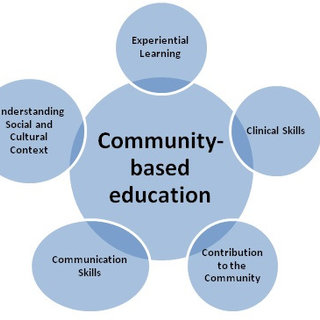
Experiential Learning in Community-Based Settings
Alternative education approaches have gained increasing recognition for their ability to provide unique and engaging learning experiences for students. One such approach is experiential learning in community-based settings, which offers students the opportunity to learn by actively engaging with their local communities. This article will explore the benefits of experiential learning, how it can be incorporated into alternative education, and its impact on student motivation and engagement.
Experiential learning involves “learning by doing,” where students actively participate in hands-on activities that are directly relevant to real-life situations. By connecting classroom knowledge with practical experiences, students develop a deeper understanding of concepts while also acquiring valuable skills that go beyond traditional academic subjects.
When applied within community-based settings, experiential learning takes on an even greater significance. Students have the opportunity to engage with their local communities, building connections and relationships that foster a sense of belonging and civic responsibility. It provides them with a chance to apply their knowledge and skills in meaningful ways that contribute to the betterment of society.
Incorporating service-learning into alternative education is one way to facilitate experiential learning in community-based settings. Service-learning combines academic instruction with community service projects, allowing students to address real-world issues while reflecting upon their experiences. This approach promotes critical thinking, problem-solving skills, empathy, and compassion.
Community partnerships play a pivotal role in alternative schooling models as they provide valuable resources and support for both educators and students. These partnerships enable schools to access expertise from various organizations or individuals within the local community who can act as mentors or guides during experiential learning activities. By fostering collaboration between schools and community partners, alternative education programs can offer diverse opportunities for students’ personal growth and development.
Environmental sustainability projects are particularly popular within alternative schools as they align well with values such as social responsibility and ecological awareness. Through initiatives like creating school gardens or organizing recycling campaigns, students gain firsthand experience in sustainable practices. These projects not only enhance students’ understanding of environmental issues but also empower them to become active agents of change within their communities.
Community-based internships provide alternative education students with valuable opportunities to explore potential career paths and gain practical skills in real-world settings. By engaging in meaningful work experiences, students can develop a sense of purpose, identity, and direction for their future endeavors. Internships also foster networking opportunities and connections that may lead to future employment or mentoring relationships.
Engaging marginalized communities through alternative schooling is an important aspect of promoting social justice and equity. Alternative education models have the potential to address the unique needs and challenges faced by marginalized groups by providing tailored support services, culturally relevant curricula, and community-led initiatives. By valuing diversity and inclusivity, alternative schools can create safe spaces where all students feel seen, heard, and valued.
Collaborative problem-solving is another key component of community-based learning environments. Working together on projects that tackle real-world problems encourages teamwork, communication skills, negotiation abilities, and critical thinking. Students learn how to navigate complex situations while considering diverse perspectives—a crucial skill for thriving in today’s interconnected world.
Addressing social justice issues through alternative education programs allows students to become aware of systemic injustices present in society and empowers them to take action towards positive change. By engaging with local communities affected by these issues, alternative school students develop a deeper understanding of the root causes while actively working towards solutions that promote equality and fairness.
The impact of community-based learning on student motivation and engagement cannot be overstated. When provided with opportunities for experiential learning within their own communities, students feel a greater sense of relevance as they apply knowledge learned in class to real-life situations. This hands-on approach enhances student engagement levels as they see the immediate impact of their actions on others.
One challenge faced by educators implementing community-based education is finding alternative approaches to assessment and evaluation that accurately capture student learning and growth. Traditional methods may not adequately measure the skills and competencies developed through experiential learning. Therefore, alternative education programs often employ innovative assessment strategies like portfolios, project-based assessments, self-reflections, and peer evaluations that are more aligned with the nature of community-based learning.
Experiential learning in community-based settings also cultivates empathy and compassion through service-learning initiatives. By immersing students in real-world situations where they can witness and understand others’ experiences, they develop a greater appreciation for diversity and an increased capacity for empathy. These qualities are essential for building strong communities grounded in respect and understanding.
Fostering cultural diversity and inclusivity is central to alternative schooling models that emphasize community engagement. By incorporating culturally relevant curricula, celebrating diverse perspectives, and actively involving students from different backgrounds in decision-making processes, alternative schools create environments that honor all individuals. This promotes social cohesion while equipping students with intercultural competence—a valuable skill in today’s globalized world.
Community-based experiences provide unique opportunities for building resilience and leadership skills among alternative education students. Through facing challenges within their communities or working on long-term projects that require perseverance, students develop resilience—the ability to bounce back from setbacks—and learn valuable lessons about personal growth and development. Additionally, taking an active role within their communities nurtures leadership qualities such as initiative-taking, communication skills, problem-solving abilities, and adaptability.
Outdoor education has been recognized as highly beneficial within alternative schooling models due to its ability to enhance cognitive function, physical health, emotional well-being,and environmental consciousness among students. By providing outdoor experiences like camping trips or nature exploration activities within the local community context,schools foster a deep connection between learnersand the natural world while promoting hands-onexperiences focused on environmental stewardshipand conservation efforts.
Promoting civic responsibility is another key aspectof alternative education settings. By actively engagingstudents in community-based projects aimed ataddressing local needs, schools instill a sense of dutyand active citizenship. Students develop anunderstanding of their role as responsible membersof society and gain the confidence to make positivecontributions within their communities.
Integrating technology into community-based learning activities is another way to enhance student engagement and facilitate interactive experiences. By utilizing tools like online platforms for research or communication, students can connect with experts or community partners beyond their physical boundaries. Technology also allows for the creation of immersive virtual experiences that simulate real-world situations, providing alternative education students with unique opportunities to learn and engage.
Supporting mental health and well-being throughcommunity engagement is a crucial aspect ofalternative schooling models. Community-basedlearning environments provide spaces for students todevelop social connections, foster relationships,and receive support from both peers and adults.Meaningful interactions within supportivecommunities contribute to positive mental healtheffects, enhancing overall well-being amongstudents.
Restorative justice practices have gained momentumin alternative schooling environments as analternative approach to discipline andreconciliation. By focusing on repairing harmrather than punitive measures, restorative justicemethods emphasize accountability,responsibility-taking,and conflict resolution skills.Through community-based restorative practicessuch as circles or mediation sessions, alternativeschools create safe spaces where conflicts areaddressed in a respectful manner while fosteringhealing and reconciliation.
Incorporating arts and creative expression intocommunity-based learning adds vibrancy andengagement to alternative education programs.Artistic endeavors such as visual arts,music,drama,and dance not only allow students toexpress themselves but also serve as powerful toolsto convey messages,promote social change,andcelebrate diverse cultures.Community exhibitionsor performances provide platforms for sharingstudents’ artistic creations while building bridgesbetween schools and local communities throughshared cultural experiences.
Exploring career exploration opportunities withinlocal communities is a practical way foralternativeschools to prepare students for futureemployment.Within these experiential learningopportunities, students gain insight into differentcareers,develop practical skills,and buildprofessional networks.Local businesses andorganizations can collaborate with alternateschools to offer internships or job shadowingexperiences that provide valuable exposure to theworld of work.
Addressing food insecurity through sustainableagriculture projects is a powerful way foralternativeschools to contribute positively to theircommunities. By creating school gardens orgreenhouses,students not only learn aboutenvironmental sustainability but also cultivateresponsibility and empathy by growing freshproduce for local food banks or communitymembers in need. These projects empower studentsto make tangible contributions while addressing animportant social issue.
Promoting intergenerational connections throughservice-learning initiatives benefits both studentsand older adults within communities. Alternativeschools can partner with retirement homes,seniorcenters,or other organizations that serve theelderly population.Students engage in activities suchas storytelling,mentoring,yard work,or eventorganization that foster meaningful interactionsacross generations.These experiences promotemutual understanding,respect,and appreciationbetween youth and older adults while enhancingstudents’ social skills and empathy towards seniors.
Play and recreation are essential components ofcommunity-based education. Alternative schoolsrecognize the importance of play as a means forenhancing creativity,collaboration,and problem-solving abilities.Play-based activities withinlocal communities encourage exploration,outdooradventures,and unstructured free time forstudents.This approach recognizes that play is notjust reserved for early childhood,but remainsessential throughout one’s lifespan as a vehiclefor joy and personal growth.
Global perspectives have a significant impact onlocal community engagement within alternativeschooling models.By exploring global issues orcollaborating with international partners,stude ntsdevelop an understanding of interconnectednessand develop cultural competency.Globalperspectives broaden students’ horizons,enrichtheir learning experiences,and inspire them totake action beyond their immediate surroundings.This broader worldview encourages activeengagement in tackling global challenges andfosters a sense of global citizenship.
Supporting students with disabilities in inclusivecommunity-based programs is crucial to promotingequity and ensuring that all individuals have equalaccess to educational opportunities.Alternativeschools strive to create inclusive environmentswhere students with disabilities can activelyparticipate in community-based learningactivities.Through appropriate accommodations,support services,and collaborative partnerships,alternativeschools can provide tailored experiencesfor these students,enabling them to thrive sociallyand academically.
In conclusion, experiential learning in community-based settings offers numerous benefits for alternative education students. By incorporating service-learning, fostering community partnerships, addressing social justice issues, and promoting environmental sustainability, alternative schools create engaging and relevant learning experiences. Through hands-on activities within their local communities, students develop valuable skills such as empathy, resilience, leadership abilities while cultivating cultural diversity and inclusivity. These experiences also promote civic responsibility and active citizenship among students. Integrating technology facilitates interactive learning while supporting mental health and well-being through community engagement. Restorative justice practices foster healing and reconciliation within alternative schooling environments. Arts integration adds vibrancy to the curriculum while exploring career exploration opportunities prepares students for future employment. Addressing food insecurity through sustainable agriculture projects creates positive impacts on local communities. Intergenerational connections build bridges between youth and older adults through meaningful interactions.Finally,the impact of global perspectives on local community engagement broadens horizons and fosters a sense of global citizenship.With its myriad benefits and transformative potential,experiential learning in community-based settings holds immense promise for alternative education approaches.
 Alternative Amie
Leave a comment