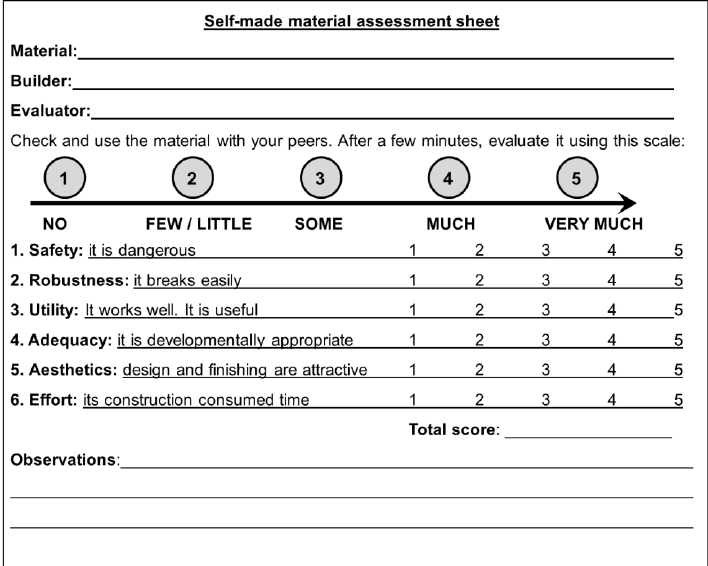
In alternative schooling and education settings, peer assessment processes are gaining popularity as a means to engage students in their own learning. Peer assessment involves students evaluating each other’s work based on specific criteria or rubrics. This process not only encourages critical thinking and self-reflection but also promotes collaboration and communication skills.
However, the success of peer assessment heavily relies on teacher facilitation. Teachers play a crucial role in guiding students through the process, providing clear instructions, and setting up an environment that fosters constructive feedback.
One important aspect of teacher facilitation is modeling effective assessment practices. By demonstrating how to provide thoughtful critiques and suggestions, teachers show students what is expected of them during peer assessments. They can also train students on how to use objective criteria when evaluating their peers’ work.
Teacher involvement in peer assessment is particularly essential at the beginning stages when students are still developing their evaluation skills. Teachers can provide scaffolding by giving examples or templates for assessing different types of assignments. As students become more familiar with the process, teachers gradually reduce their level of intervention, allowing students to take more ownership over the assessments.
Furthermore, teachers act as mediators during peer discussions about the feedback received. They encourage respectful dialogue among students while ensuring that all voices are heard and valued. In this way, teachers promote a supportive learning community where individuals feel comfortable sharing their perspectives without fear of judgment or criticism.
Moreover, teacher facilitation includes monitoring the quality of feedback given by peers. Teachers must ensure that comments are constructive and align with the established criteria for evaluation. They may intervene if inappropriate or unhelpful feedback is provided, guiding students towards providing more meaningful input.
Lastly, after completing peer assessments, teachers play a vital role in helping students reflect on the experience. Through class discussions or individual conversations, they help students identify strengths and areas for improvement regarding both giving and receiving feedback.
In conclusion, teacher facilitation plays a significant role in successfully implementing peer assessment processes. By modeling effective assessment practices, providing guidance and support, monitoring the quality of feedback, and facilitating reflection, teachers create an environment where students can engage in meaningful learning through peer evaluation.
 Alternative Amie
Leave a comment