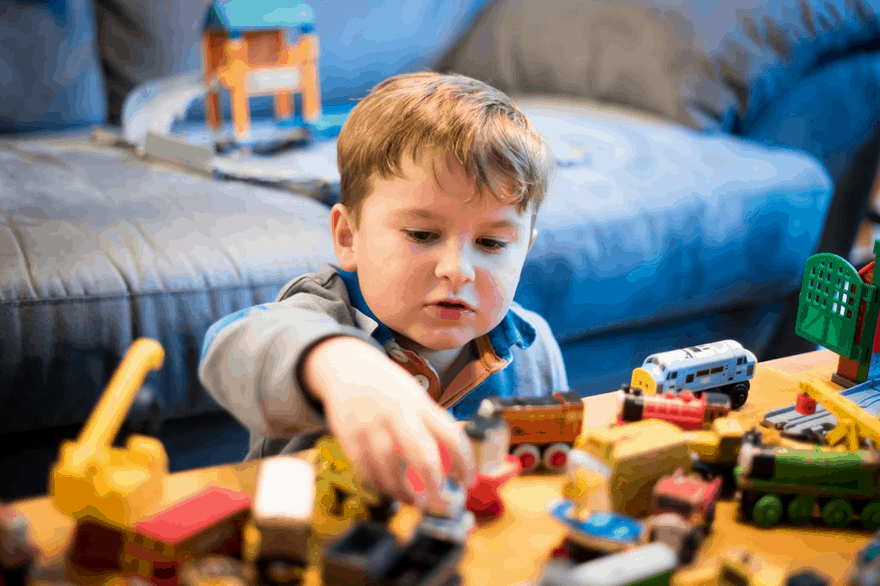
Unstructured play refers to any type of play that is child-directed and free from adult control or structure. In today’s fast-paced and structured world, unstructured play has become increasingly important for children’s development. It allows them to explore their own interests, develop problem-solving skills, foster creativity, and build social relationships with their peers. Here are 15 reasons why unstructured play is essential for children:
1. Promotes imagination: Unstructured play provides children with the opportunity to use their imaginations freely. Whether it’s building a fort out of blankets or pretending to be superheroes, imaginative play helps children develop cognitive abilities and think outside the box.
2. Enhances problem-solving skills: When engaged in unstructured play, children are faced with various challenges that require critical thinking and problem-solving skills. They learn how to overcome obstacles independently, fostering resilience and resourcefulness.
3. Encourages self-regulation: Without adult intervention during unstructured playtime, children have the chance to practice self-regulation skills like managing their emotions and controlling impulses on their own terms.
4. Boosts creativity: Through unstructured play, kids can let their imaginations run wild without limitations or predetermined outcomes imposed by adults or technology devices. This freedom encourages creative thinking and innovation.
5. Develops social skills: Unstructured play often involves interaction with other children in a relaxed environment where they learn valuable social skills such as negotiation, cooperation, compromise, sharing resources, resolving conflicts peacefully – all necessary for successful interpersonal relationships later in life.
6. Supports physical development: From climbing trees to playing tag in the park, unstructured outdoor activities promote physical development by improving coordination, balance, strength-building exercises like running or jumping rope—all contributing factors towards healthy growth.
7. Fosters independence: When given the space for unstructured playtime away from constant supervision or guidance from adults (within safe boundaries), children gain confidence in making decisions independently and relying on their own abilities.
8. Encourages risk-taking: Unstructured play provides children with the opportunity to take risks, make mistakes, and learn from them. Whether it’s attempting a new physical challenge or testing out creative ideas, risk-taking helps build resilience and confidence in decision-making.
9. Supports cognitive development: Unstructured play allows children to explore their surroundings freely, engaging all their senses and stimulating brain development. From building with blocks to experimenting with different materials or solving puzzles, unstructured play enhances cognitive skills such as problem-solving, memory retention, and logical reasoning.
10. Reduces stress: In our increasingly structured society, unstructured play offers a much-needed break from academic pressures and performance expectations. It creates an environment where children can relax, recharge mentally, and reduce stress levels through uninhibited exploration.
11. Improves communication skills: During unstructured playtime with peers or siblings, children practice communicating effectively by expressing their thoughts verbally or non-verbally. This improves language proficiency while also developing active listening skills—a vital aspect of successful communication.
12. Builds resilience: Through unstructured play experiences where they face challenges independently without adult intervention or predetermined outcomes set by others—children develop resilience by overcoming obstacles creatively and bouncing back after setbacks.
13. Enhances emotional intelligence: Unstructured play provides opportunities for children to navigate complex emotions such as joy, frustration, anger or disappointment on their own terms—learning empathy for others’ feelings along the way.
14. Sparks curiosity: Without rigid rules or curricula governing unstructured playtime; children have the freedom to follow their interests genuinely sparking curiosity about various subjects—from nature exploration to scientific experiments—and increasing motivation towards lifelong learning.
15. Promotes overall well-being: Ultimately, unstructured play contributes significantly to a child’s overall well-being by nurturing holistic growth—physical fitness combined with mental stimulation fosters healthy development across multiple domains simultaneously.
In conclusion; the benefits of unstructured play for children are vast and varied. It promotes imagination, problem-solving skills, creativity, social skills, physical development, independence, risk-taking abilities, cognitive growth, stress reduction, communication skills. Additionally; it builds resilience and emotional intelligence while sparking curiosity and promoting overall well-being. By allowing children the freedom to engage in unstructured playtime regularly—both indoors and outdoors—we can support their growth into well-rounded individuals capable of navigating life’s challenges with confidence and grace.
 Alternative Amie
Leave a comment