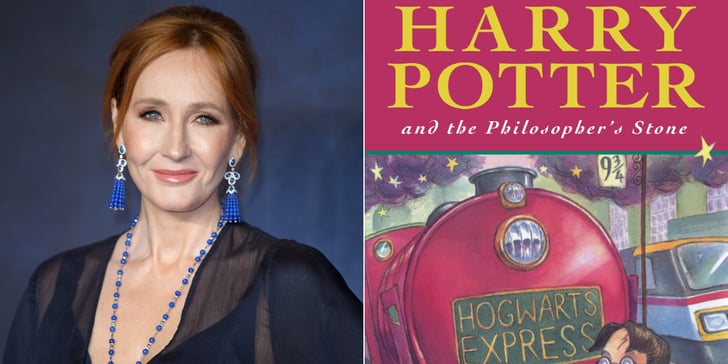
J.K. Rowling: An Inspiring Journey in Alternative Schooling and Education
Introduction:
In the world of literature, J.K. Rowling is a household name. Known for her immensely popular Harry Potter series, she has captured the hearts of readers worldwide. However, what many people may not know is that Rowling’s own journey in education and alternative schooling greatly influenced her writing and success as an author. In this post, we will explore how J.K. Rowling’s experiences with alternative schooling shaped both her personal life and literary career.
1. Early Years and Traditional Schooling:
Before delving into alternative schooling, it is important to understand Rowling’s early years and traditional education background. Born on July 31, 1965, in Yate, Gloucestershire, England, she attended St Michael’s Primary School where she excelled academically.
2. The Influence of Alternative Schooling:
Rowling’s first encounter with alternative schooling was during her teenage years when her family moved to Winterbourne in South Gloucestershire. She enrolled at Wyedean School and College located in Chepstow, Monmouthshire.
At Wyedean School, Rowling witnessed a different approach to education compared to traditional schools she had previously attended. Herein lies the beginning of her fascination with creative freedom within educational settings.
3. A Focus on Individuality:
One significant aspect of alternative schooling that resonated with J.K.Rowling was its emphasis on individuality rather than conformity.
Alternative schools prioritize nurturing each student’s unique talents instead of adhering strictly to standardized curricula.
This focus on individuality allowed Rowling to explore different subjects beyond academic expectations while developing her creativity—a trait that would later manifest itself prominently through characters like Harry Potter himself.
4.A Safe Haven for Different Learning Styles:
Another vital factor that contributed to J.K.Rowling’s appreciation for alternative schooling was its recognition of diverse learning styles.
Some students thrive under conventional teaching methods, while others require alternative approaches to reach their full potential.
Rowling herself struggled with dyslexia, a learning difference that affects reading and writing skills. Traditional schooling often failed to cater to her needs, leading to feelings of frustration and inadequacy.
However, at Wyedean School, Rowling found a supportive environment that encouraged different learning styles. This experience instilled in her the belief that education should be tailored according to individual requirements rather than following a one-size-fits-all approach.
5. The Importance of Imagination:
Alternative schools frequently prioritize cultivating imagination and creativity in students.
This aspect played a crucial role in shaping J.K.Rowling’s writing style as she developed her magical world of Harry Potter. By embracing unconventional teaching methods that fostered imaginative thinking, alternative schooling empowered Rowling to envision an entire universe within her books.
6. Alternative Schooling’s Influence on Characters:
Many characters in the Harry Potter series can be traced back to J.K.Rowling’s experiences with alternative schooling.
Hogwarts School of Witchcraft and Wizardry itself represents an idealized vision of an educational institution where students are free to explore their talents without fear of judgment or limitations.
The character Luna Lovegood embodies the creative spirit nurtured by alternative schools. Her whimsical nature encourages readers (and young learners) to embrace their uniqueness fully.
7. Advocacy for Educational Equality:
J.K.Rowling has been vocal about her support for educational equality and access for all children regardless of their background or circumstances.
Her own encounter with alternative schooling made her aware of the importance of providing quality education options beyond traditional settings.
Through initiatives like Lumos (a non-profit organization founded by Rowling), she strives to promote alternatives for marginalized children who may not have access to appropriate educational opportunities.
8. Inspiration for Future Generations:
J.K.Rowling’s journey through alternative schooling serves as an inspiration for educators, parents, and students alike.
It reminds us of the value of recognizing each student’s unique potential and providing them with a safe, nurturing environment that fosters creativity and individuality.
Conclusion:
J.K.Rowling’s success as an author is undoubtedly linked to her experiences with alternative schooling. Her journey from traditional education to embracing unconventional teaching methods has left an indelible mark on her writing style and the characters she created.
By advocating for educational equality and emphasizing the importance of imagination, Rowling continues to inspire educators worldwide to embrace alternative approaches in their classrooms. Through her own story, she reminds us that education should be inclusive, supportive, and tailored to meet the diverse needs of all learners.
 Alternative Amie
Leave a comment