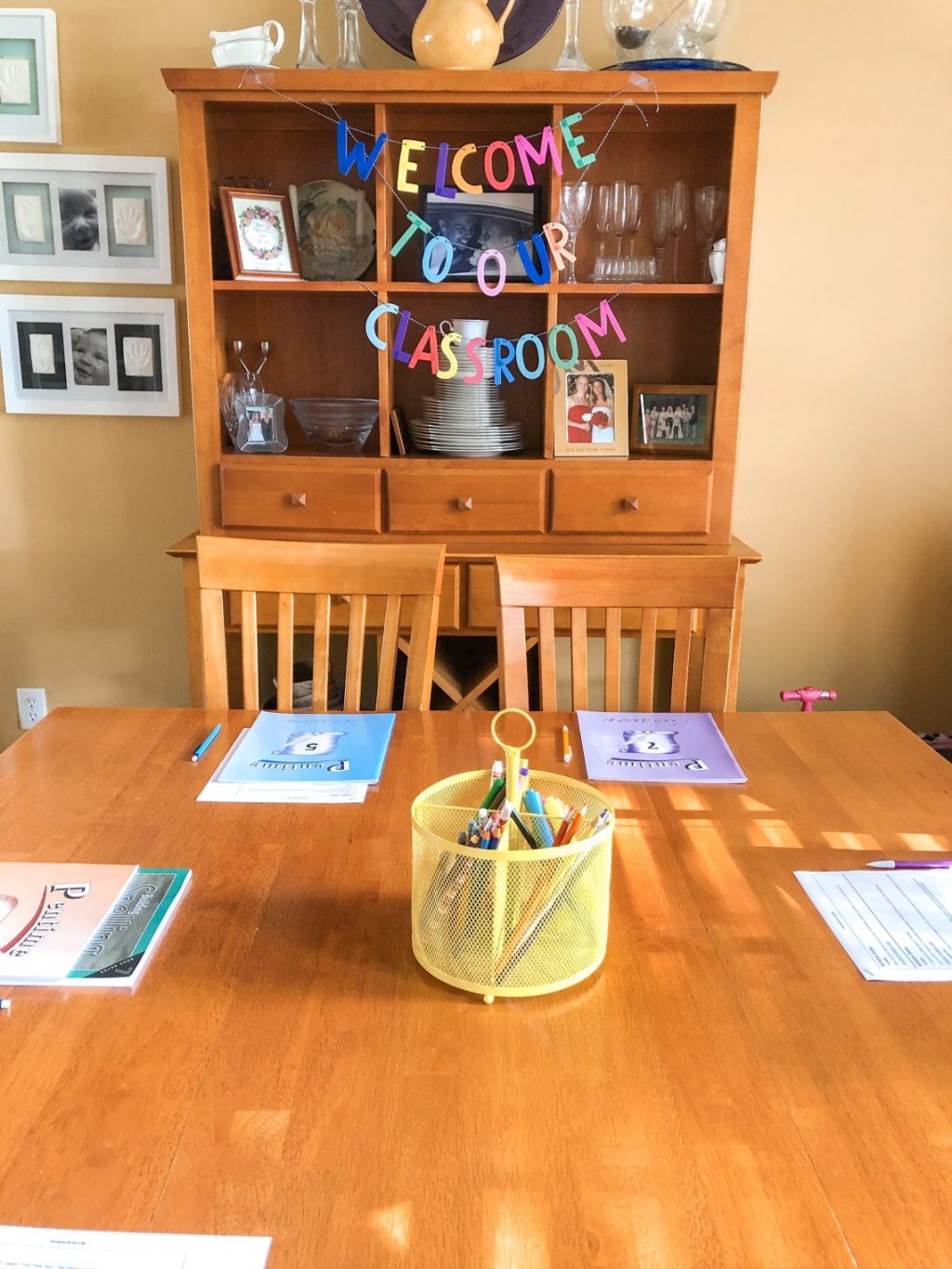
Hybrid homeschooling is becoming an increasingly popular educational option for families seeking a flexible and personalized approach to their child’s education. This unique model combines elements of traditional schooling with the benefits of homeschooling, allowing students to learn at their own pace while also benefiting from structured classroom instruction.
One aspect of hybrid homeschooling that has gained attention is the incorporation of unschooling principles. Unschooling is a philosophy that believes in letting children follow their natural curiosity and interests, rather than adhering to a predetermined curriculum. In a hybrid homeschool setting, this means giving students more freedom to explore topics they are passionate about, while still providing guidance and support from teachers.
Another key component of hybrid homeschooling is the integration of outdoor education. Recognizing the importance of nature in learning and development, many hybrid homeschool programs prioritize outdoor activities and field trips as part of their curriculum. Whether it’s studying biology through hikes in local parks or learning about history by visiting historical landmarks, these experiences provide hands-on learning opportunities that enhance academic understanding while fostering a deep appreciation for the environment.
Hybrid homeschooling also offers unique advantages for children with special needs. With smaller class sizes and individualized attention from teachers, students with diverse learning needs can receive tailored instruction that meets their specific requirements. Additionally, parents have greater flexibility to adapt teaching methods based on their child’s strengths and weaknesses, ensuring an inclusive and supportive educational experience.
Balancing screen time is another important consideration in hybrid homeschooling. While technology plays a crucial role in online learning components, it’s essential to strike a balance between digital tools and offline activities. Incorporating regular breaks for physical exercise or creative pursuits helps maintain student engagement and prevents excessive reliance on screens.
Project-based learning (PBL) is widely embraced within the framework of hybrid homeschooling due to its emphasis on critical thinking skills and practical application of knowledge. PBL encourages students to actively participate in projects that require research, problem-solving, and collaboration. By working on real-world problems, students develop a deeper understanding of concepts and gain valuable skills that can be applied in various contexts.
Art and creativity are essential elements in hybrid homeschooling curriculum. Incorporating arts-related activities, such as drawing, painting, music, or drama, helps foster self-expression and enhances cognitive development. Art also serves as a means for students to explore their emotions and develop empathy towards others.
Alternative assessment methods are an integral part of hybrid homeschooling. Traditional standardized tests may not accurately reflect a student’s progress or abilities in this non-traditional educational model. Instead, educators use diverse assessments like portfolios, presentations, projects, and discussions to evaluate student learning comprehensively.
Virtual field trips using technology tools have revolutionized the way hybrid homeschoolers experience the world beyond their homes. With virtual reality (VR) headsets or online platforms offering 360-degree immersive experiences, students can explore museums, historical sites, national parks, and even international landmarks without leaving their homes. These virtual field trips provide enriching experiences that broaden horizons and deepen understanding.
High school students can particularly benefit from hybrid homeschooling. It allows them to take advantage of flexible schedules while pursuing advanced coursework or extracurricular activities outside traditional school settings. Additionally, high school hybrid homeschoolers have opportunities for internships or mentorship programs that align with their career interests.
Socialization is often a concern raised by critics of homeschooling; however, hybrid homeschooling addresses this issue through various means. Co-ops and support groups offer opportunities for social interaction among homeschooled children where they engage in group activities like field trips or clubs together regularly.
Multicultural education is seamlessly integrated into the fabric of hybrid homeschooling programs. Educators ensure diverse perspectives are incorporated into curricula through literature selections from different cultures and exploring global issues across subject areas.
Homeschool co-ops provide invaluable support for families navigating the complexities of hybrid homeschooling. These groups offer a sense of community, allowing parents to share resources, ideas, and experiences while providing social opportunities for students.
Mindfulness and well-being practices are prioritized in hybrid homeschool routines. Incorporating mindfulness exercises, yoga, or meditation into the daily schedule helps students develop self-awareness, emotional regulation skills, and resilience.
Hands-on experiences provide a unique opportunity for teaching life skills in hybrid homeschooling. Cooking classes teach math and science concepts while nurturing independence and responsibility. Gardening fosters environmental stewardship while cultivating patience and perseverance.
Gifted and talented students often thrive in hybrid homeschool environments due to the flexibility that allows them to pursue their interests at an accelerated pace. Individualized learning plans catered specifically to their abilities ensure they are adequately challenged.
Different philosophies of education can be explored within the context of hybrid schooling. From Montessori to Waldorf or Reggio Emilia approaches, parents have the freedom to select an educational philosophy that aligns with their child’s needs and values.
Supporting parents as educators is crucial in hybrid homeschool settings. Professional development opportunities equip parents with effective teaching strategies tailored to individual learning styles or specific subjects.
Creating personalized learning plans is central to the success of hybrid homeschooling programs. Taking into account each child’s strengths, weaknesses, interests, and goals ensures a customized educational experience that maximizes their potential.
Navigating state regulations is essential for families choosing a hybrid homeschooling approach. Familiarizing oneself with local laws regarding registration requirements or reporting procedures guarantees compliance while maintaining flexibility within legal frameworks.
Community resources play a significant role in enhancing the learning experience in hybrid homeschooling. Utilizing libraries, museums, parks, local businesses as partners provides access to expert knowledge beyond traditional classroom boundaries.
Fostering entrepreneurship skills through project-based learning prepares students for real-world challenges by encouraging innovation, problem-solving abilities along with financial literacy necessary for starting ventures or pursuing careers independently.
Addressing parental burnout is crucial in hybrid homeschooling. Juggling multiple responsibilities can be overwhelming, and self-care strategies such as setting boundaries, prioritizing personal well-being, and seeking support are essential for maintaining a healthy work-life balance.
Physical education and sports activities are integrated into the schedule of hybrid homeschooled students to promote physical fitness and overall well-being. Participation in team sports or individual physical activities helps develop teamwork, leadership skills while fostering an active lifestyle.
Career exploration opportunities within a hybrid homeschool framework allow high school students to gain exposure to various professions through internships, job shadowing, or mentorship programs. This firsthand experience aids informed decision-making about future career paths.
In conclusion, hybrid homeschooling offers families a flexible and personalized educational approach that combines the best aspects of traditional schooling with the benefits of homeschooling. By incorporating unschooling principles, outdoor education experiences, project-based learning methods, alternative assessments methods, technology tools for virtual field trips, and other innovative practices discussed above; parents can create a dynamic learning environment that meets their child’s unique needs and interests while preparing them for success in the ever-evolving world.
 Alternative Amie
Leave a comment