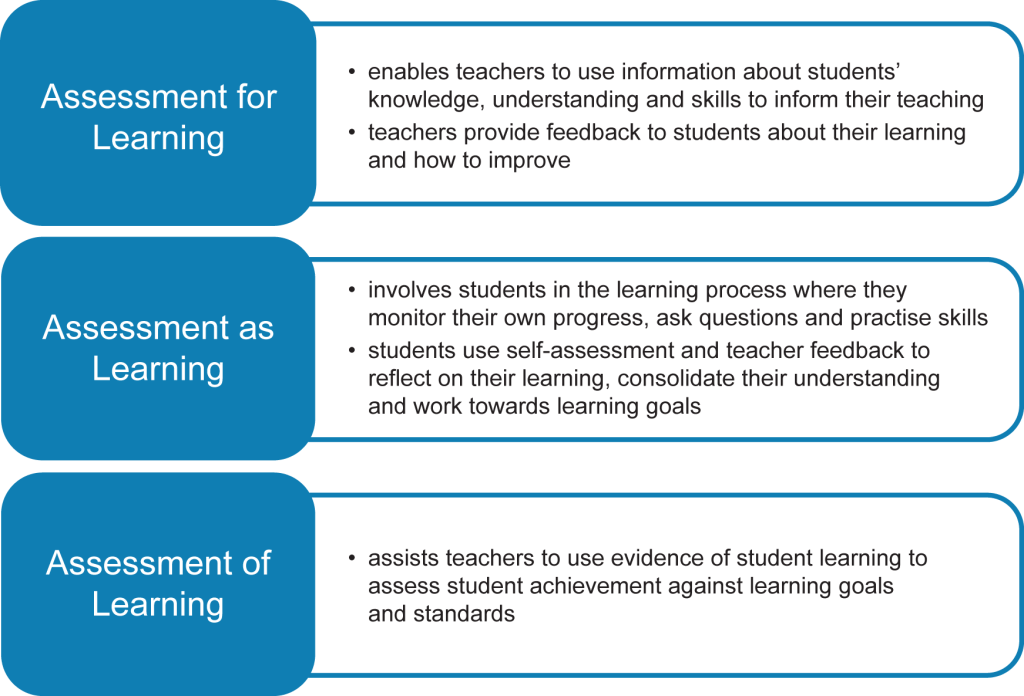
Self-assessment is an essential tool in alternative schooling and education, as it allows students to reflect on their own progress and development. It encourages self-reflection, critical thinking, and personal growth. In this article, we will explore various self-assessment techniques that can be used in different aspects of alternative education.
Project-based learning is a popular approach in alternative schooling, where students learn through hands-on projects. Self-assessment techniques for project-based learning focus on evaluating the student’s ability to plan, execute, and reflect on their projects. This can be done through rubrics or checklists that assess the quality of their work, as well as reflective journals or portfolios where students document their process.
Experiential learning emphasizes real-world experiences to enhance learning. Self-assessment in experiential learning involves reflecting on these experiences and identifying areas for improvement. This can be done through guided reflection exercises or group discussions where students share their insights and learn from each other’s perspectives.
Alternative schooling often promotes self-reflection as a means of personal growth and development. Self-reflection activities allow students to evaluate their strengths and weaknesses, set goals for themselves, and track their progress over time. These activities can include writing reflections about personal achievements or challenges faced during the educational journey.
Individualized learning plans are common in alternative education settings. Self-assessment strategies for individualized learning plans involve setting goals with clear objectives and regularly assessing progress towards those goals. This could involve self-checklists or rating scales that measure proficiency levels in specific skills or knowledge areas.
Social-emotional skills play a crucial role in alternative education environments. Assessing social-emotional skills through self-assessment tools helps students become more aware of their emotions, empathy levels, communication styles, problem-solving abilities, etc., allowing them to make adjustments if needed.
Creativity and innovation are highly valued attributes in alternative education settings. Assessing creativity involves encouraging students to reflect on their creative processes, generate new ideas, and evaluate the effectiveness of their innovative solutions. This can be done through self-assessment questionnaires or reflection prompts that challenge students to think outside the box.
Critical thinking is a fundamental skill in non-traditional classrooms. Self-assessment for critical thinking involves evaluating one’s ability to analyze information, make logical connections, and engage in independent thought. This could include self-reflection exercises that prompt students to critically assess their own reasoning and decision-making processes.
Self-directed learning is a key aspect of alternative education. Measuring self-directed learning abilities through self-assessment tools helps students become independent learners who take responsibility for their own education. This can involve self-evaluation rubrics or checklists that assess skills such as goal setting, time management, research skills, and initiative.
Problem-solving skills are highly valued in alternative schooling environments. Assessing problem-solving skills through self-assessment techniques involves reflecting on problem-solving strategies used during various tasks or projects. Students can use rating scales or reflective journals to evaluate their problem-solving approaches and identify areas for improvement.
Communication skills are essential for success in any educational setting. Evaluating communication skills using self-assessment tools encourages students to reflect on their listening, speaking, writing, and interpersonal communication abilities. This could involve assessing one’s ability to express ideas clearly, actively listen to others’ perspectives, collaborate effectively with peers or give constructive feedback.
Time management and organization are crucial skills for success in alternative education settings where students often have more flexibility in managing their schedules. Self-assessment techniques for time management involve reflecting on how effectively one manages time and prioritizes tasks. Students can use personal planners or online tools to monitor progress towards goals and improve organizational habits.
Digital literacy has become increasingly important in today’s technological world. Assessing digital literacy through self-reflection exercises encourages students to consider their proficiency with technology tools such as word processing software, online research methods, data analysis programs etc., and identify areas for improvement.
Cultural competence and diversity awareness are essential in alternative education settings that embrace inclusivity. Measuring these qualities through self-assessment methods involves reflecting on one’s knowledge, attitudes, and behaviors towards different cultures and identities. Students can use reflective writing prompts or self-evaluation questionnaires to assess their cultural competencies.
Goal setting and achievement are crucial aspects of alternative schooling where personalized learning is emphasized. Self-assessment strategies for goal setting involve establishing clear objectives, regularly evaluating progress, and celebrating achievements. This could include personal reflection exercises or peer evaluations to track individual growth.
Collaboration and teamwork skills are highly valued in alternative education environments. Evaluating collaboration skills using self-reflection activities encourages students to reflect on their ability to work effectively with others, communicate ideas, resolve conflicts constructively, etc., fostering a sense of accountability within the group.
Adaptability and resilience are important qualities needed in today’s rapidly changing world. Assessing adaptability and resilience through self-assessment tools helps students become more aware of how they handle challenges, setbacks or changes in circumstances. This can be done through journaling exercises that prompt students to reflect on their emotional responses and coping mechanisms during difficult times.
Leadership qualities are often nurtured in alternative education settings that encourage student empowerment. Measuring leadership abilities through self-evaluation exercises involves reflecting on one’s ability to inspire others, take initiative, make decisions under pressure etc., allowing students to develop effective leadership skills.
Assessing personal values and ethics is an integral part of alternative education as it fosters character development. Self-assessment techniques for assessing personal values involve reflecting on one’s beliefs, principles, ethical decision-making processes etc., helping students align their actions with their core values.
Mindfulness and well-being play a significant role in alternative schooling environments that emphasize holistic development. Evaluating mindfulness through reflective practices involves engaging in meditation or mindfulness exercises that promote self-awareness, stress reduction, and emotional regulation.
Metacognitive skills are essential for effective learning. Assessing metacognitive skills through self-reflection methods involves reflecting on one’s thinking processes, study habits, problem-solving approaches etc., enabling students to become more aware of their own learning strategies and make adjustments as needed.
Community engagement and service-learning experiences are often incorporated into alternative education models. Self-assessment strategies for evaluating community engagement involve reflecting on one’s involvement in service activities, the impact made on the community, lessons learned etc., fostering a sense of civic responsibility.
Financial literacy is an important life skill that can be taught in alternative schooling environments. Measuring financial literacy through self-evaluation activities involves reflecting on one’s understanding of budgeting, saving, investing etc., helping students develop responsible financial habits.
Environmental awareness is emphasized in many alternative education programs that promote sustainability. Assessing environmental awareness via reflective exercises involves considering one’s knowledge about eco-friendly practices, personal contributions towards conservation efforts etc., encouraging students to adopt environmentally conscious behaviors.
Assessing physical health and wellness is crucial in alternative schooling environments that value holistic development. Self-assessment techniques for assessing physical health involve reflecting on one’s exercise habits, nutrition choices, sleep patterns etc., promoting healthy lifestyle choices among students.
In conclusion, self-assessment plays a vital role in alternative schooling and education by fostering self-reflection, critical thinking,and personal growth. It can be applied to various aspects such as project-based learning,self-directed learning,collaboration skills,time management,digital literacy,cultural competence,resilience,and mindfulness among others.It encourages students to take ownership of their own progress and development,enabling them to become independent learners with well-rounded skill sets.Incorporating self-assessment techniques into alternative education settings empowers students to actively participate in their educational journey while gaining valuable insights into their strengths and areas for improvement.This ultimately prepares them for success not only academically but also personally and professionally.
 Alternative Amie
Leave a comment