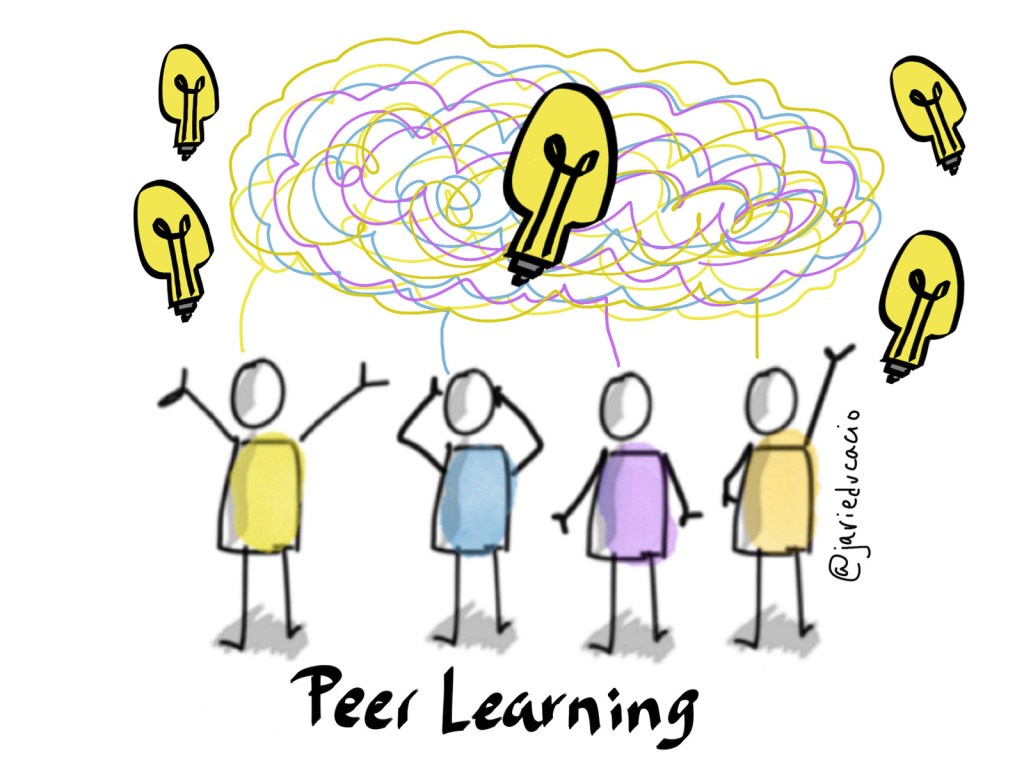
As the landscape of education continues to evolve, alternative schooling and education have become increasingly popular options for parents and students alike. One key aspect of this type of educational experience is the opportunity for peer learning and interaction.
Peer learning refers to an educational approach where students learn from and with their peers. It encourages collaboration, active engagement, and social interaction among students, fostering a sense of community within the learning environment. This article will explore the benefits of peer learning in alternative schooling and education settings, as well as provide statistical data to support these claims.
1. Enhanced Understanding: Peer learning allows students to explain concepts and ideas in their own words. When teaching their fellow peers, they must break down complex information into simpler terms, enhancing their own understanding in the process. According to a study by David Johnson et al., peer tutoring can improve student achievement by up to 0.55 standard deviations.
2. Increased Engagement: Traditional classrooms often rely on lectures or teacher-centered instruction methods, which may lead to disengagement among certain students. In contrast, peer learning encourages active participation from all individuals involved. A research study conducted by Freeman et al., comparing various teaching methods across different disciplines found that students engaged in cooperative learning (a form of peer learning) were 1.5 times more likely to pass compared to those taught using traditional lecture-based methods.
3. Improved Communication Skills: Through collaboration with peers, students develop valuable communication skills such as effective listening, articulating ideas clearly, providing constructive feedback,and resolving conflicts amicably.Accordingto a survey conducted by The National Associationof Collegesand Employers (NACE), employers ranked teamwork/collaboration as one of the top desired skills when hiring recent college graduates.
4. Building Confidence: Peer learning provides opportunities for learners at different levels of expertise or knowledge to work together constructively.This setup fosters an inclusive environment where everyone’s contributions are valued.Additionally,research has shown that students who engage in peer tutoring develop higher levels of self-confidence and motivation, as they gain recognition for their abilities to help others.
5. Bridging Cultural and Social Gaps: Alternative schooling often attracts a diverse range of students from various cultural backgrounds or with different life experiences. Peer learning promotes social integration by encouraging cross-cultural interactions and understanding. According to research by Johnson et al., peer-assisted learning has been found to be particularly effective in improving academic outcomes for minority students.
6. Personalized Learning: In traditional classrooms, teachers face the challenge of catering to the individual needs and learning styles of all their students. Peer learning allows for more personalized instruction, as peers can adapt their teaching methods according to each other’s strengths and weaknesses. This approach helps address the need for differentiated instruction, ensuring that every student receives the support they require.
7. Positive Learning Environment: A supportive and positive learning environment is crucial for academic success.In alternative education settings where smaller class sizes are common,peer learning provides an opportunityto build strong relationships among classmates.According to a study published in Educational Psychology Review,promoting positive social interactions within classrooms leads to better academic performanceand overall well-beingofstudents.
8. Collaboration Skills: As we move towards an increasingly interconnected world, collaboration skills have become highly valued across various industries.Peer learning fosters collaborative habits among learners,such as teamwork, compromise,and leveraging each other’s strengths.These skills are essential not only during school years but also in future careers.A survey conducted by LinkedIn revealed that collaboration was one of the most sought-after soft skills in 2021.
9. Emotional Support: Peer groups provide emotional support during challenging times.When faced with difficulties or setbacks,a student may feel more comfortable seeking help from a peer rather than directly approaching a teacher.This emotional connection encourages empathy,resilience,and creates an inclusive atmosphere within alternative education settings.Statistical data shows that having high-quality friendships improves both psychological well-being and academic achievement,according to a study published in the Journal of Adolescence.
10. Critical Thinking: Peer learning encourages critical thinking skills by challenging students’ assumptions and perspectives. Through open discussions and debates, peers can provide alternative viewpoints that stimulate intellectual growth.An analysis conducted by The National Institute for Learning Outcomes Assessment (NILOA) found that peer learning activities often lead to higher-order thinking outcomes,such as analyzing information or evaluating arguments.
In conclusion, peer learning plays a crucial role in alternative schooling and education settings. Its benefits range from enhanced understanding and increased engagement to improved communication skills and personal growth. By fostering collaboration,critical thinking,and emotional support,peer learning prepares students for success both academically and in their future endeavors.As alternative schooling continues gaining popularity,it is essential to embrace the power of peer learning as an effective educational approach
 Alternative Amie
Leave a comment