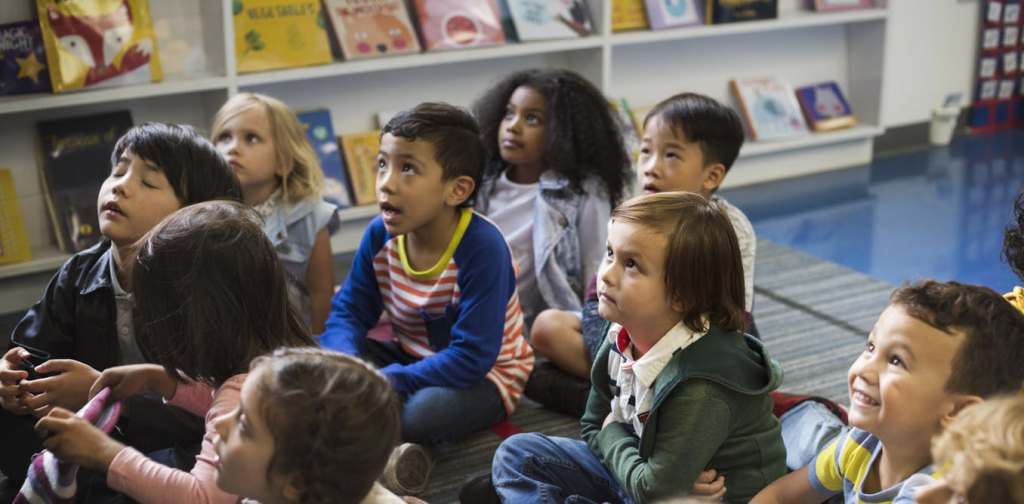
Culturally Responsive Teaching Strategies: Fostering Inclusivity in the Classroom
In today’s diverse classrooms, it is essential for educators to adopt culturally responsive teaching strategies that promote inclusivity and create a supportive learning environment for all students. Culturally responsive teaching recognizes and values students’ cultural backgrounds, experiences, and identities, fostering their academic success while also promoting social justice. Here are some effective strategies to implement:
1. Building Relationships: Establishing positive relationships with students is crucial. Take time to learn about their cultures, traditions, languages, and personal experiences. Show genuine interest by incorporating this knowledge into your lessons.
2. Incorporating Culturally Relevant Material: Use multicultural literature, texts, and resources that reflect the diversity of your classroom. This allows students to see themselves represented in the curriculum while exposing others to different perspectives.
3. Differentiated Instruction: Adapt your teaching methods based on individual student needs and learning styles. Recognize that not all students will respond in the same way or at the same pace.
4. Encouraging Student Voice: Provide opportunities for students to share their ideas and opinions openly in class discussions or through creative projects related to their cultural backgrounds.
5. Engaging Families: Involve families by establishing open lines of communication regarding cultural celebrations or events important to various communities.
6. Challenging Bias & Stereotypes: Address stereotypes present in textbooks or media by discussing them openly with your students while promoting critical thinking skills.
7. Creating Inclusive Spaces: Arrange classroom furniture and displays that reflect diversity and make everyone feel welcome.
8.Collaborative Learning Groups : Encourage inclusive group work where diverse perspectives are valued as strengths rather than differences.
9.Self-Reflection & Professional Development : Continuously engage in self-reflection about personal biases and seek professional development opportunities focused on culturally responsive teaching practices.
By implementing these strategies consistently you can cultivate an inclusive learning environment where every student feels valued and supported. Culturally responsive teaching not only enhances academic achievement but also prepares students to thrive in a diverse society.
 Alternative Amie
Leave a comment