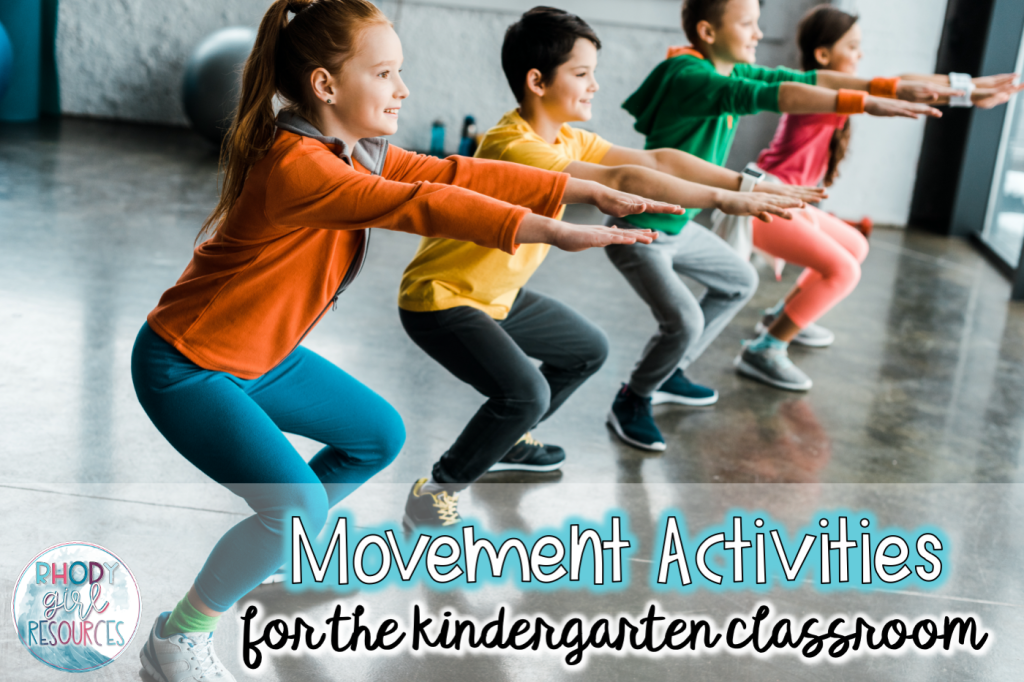
Movement and Physical Activity in Learning: Enhancing Education Through Active Engagement
In recent years, there has been a growing recognition of the crucial role that movement and physical activity play in enhancing learning. Traditional classroom settings often confine students to their desks for long periods, limiting their opportunities for physical engagement. However, alternative schooling approaches have emerged that prioritize active learning experiences, integrating movement into educational activities. This article explores the benefits of incorporating movement and physical activity into learning and how it can positively influence students’ cognitive abilities, social skills development, and overall well-being.
Research has consistently shown that movement stimulates brain function by promoting increased blood flow and oxygenation to the brain. When students engage in physical activity during or alongside academic tasks, they experience enhanced focus, attention span, memory retention, and information processing capabilities. Studies have found that short bursts of exercise between lessons significantly improve students’ ability to concentrate on subsequent tasks while reducing restlessness and behavioral problems commonly associated with prolonged sedentary periods.
Implementing movement breaks throughout the school day not only improves academic performance but also supports students’ physical health. Regular physical activity has been linked to numerous health benefits like reduced risk of obesity, improved cardiovascular fitness, lower stress levels, better sleep patterns, and strengthened immune systems. By encouraging movement during class time or incorporating it into subject-specific lessons creatively (e.g., using dance or yoga to teach math concepts), educators can create an environment where children develop healthy habits early on while simultaneously fostering a love for learning.
Moreover, introducing movement-based activities encourages active participation among learners. In traditional classrooms where passive listening dominates instruction methods, many students struggle to remain engaged or retain information effectively. By incorporating kinesthetic experiences such as hands-on experiments or interactive games requiring bodily movements related to the material being taught (e.g., acting out historical events), educators provide multiple entry points for different learning styles while catering to individual needs.
Active engagement through movement allows learners to explore their creativity and critical thinking skills. Physical activities provide opportunities for problem-solving, decision-making, and collaboration among peers. For instance, group projects that involve building structures or designing experiments require students to work together, communicate effectively, and think critically about the task at hand. These experiences foster the development of essential social skills like teamwork, leadership, empathy, and conflict resolution.
Incorporating movement into learning environments also promotes a positive classroom atmosphere by reducing stress levels and creating a sense of community. Regular physical activity releases endorphins in the brain, which are natural mood enhancers that help alleviate anxiety and depression symptoms. By providing students with outlets for movement during stressful periods or before challenging tasks (such as exams), educators can create a supportive environment where students feel more comfortable expressing themselves academically and emotionally.
Furthermore, integrating movement-based learning strategies has been shown to have particularly significant benefits for children with attention deficit hyperactivity disorder (ADHD) or other learning differences. Studies have found that incorporating regular physical activity breaks throughout the day significantly improves focus and reduces behavioral issues in these students. Movement provides an outlet for excess energy while promoting self-regulation skills necessary for academic success.
In conclusion, movement and physical activity play a vital role in enhancing education by improving cognitive abilities, fostering social skill development, supporting overall well-being, increasing engagement levels among learners of all ages. Alternative schooling approaches that prioritize active learning experiences demonstrate how movement can be seamlessly integrated into academic settings without compromising curriculum goals. By embracing this pedagogical shift towards active engagement through movement-based strategies within traditional classrooms as well as alternative educational models alike we pave the way to unlocking each student’s full potential while promoting healthier lifestyles from an early age
 Alternative Amie
Leave a comment