Personalized learning in blended education is a powerful approach that combines the benefits of traditional face-to-face instruction with online learning tools and resources. This model allows students to have more control over their own learning pace, style, and content, which ultimately leads to better engagement and achievement.
In a blended learning environment, teachers can tailor instruction to meet each student’s specific needs by providing personalized assignments, assessments, and feedback. Students are able to progress through the curriculum at their own pace, allowing them to spend more time on challenging topics or move ahead if they grasp concepts quickly. This individualization fosters a sense of ownership over one’s education and encourages self-motivation.
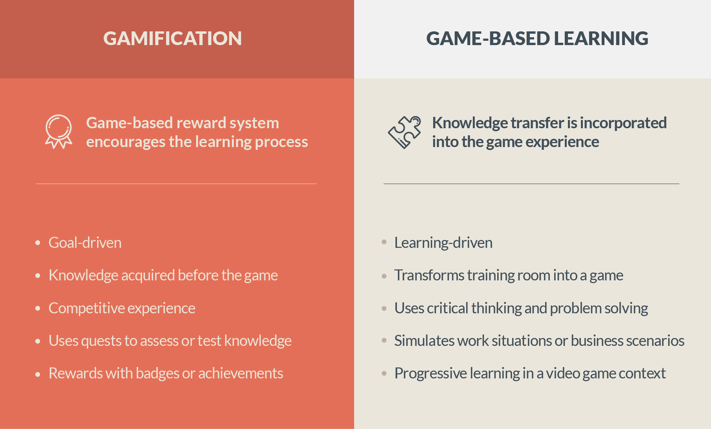
Gamification is another effective strategy used in alternative schooling models. By incorporating game elements such as point systems, badges, levels, and leaderboards into the curriculum, educators can create an engaging and motivating learning experience for students. Gamification taps into students’ natural inclination towards competition and rewards, making the educational process more enjoyable and stimulating.
Project-based learning (PBL) also thrives in a blended environment. PBL involves students working collaboratively on real-world projects that require critical thinking skills and problem-solving abilities. Blended learning provides access to various digital tools that support project development such as online research databases, multimedia creation software, communication platforms for virtual collaboration among peers.
Differentiated instruction is crucial in blended classrooms where learners come from diverse backgrounds with varying academic strengths or challenges. Teachers can use technology tools like adaptive software or online assessments to identify each student’s individual needs accurately. Then they can adjust their teaching methods accordingly by providing additional support or extending enrichment opportunities tailored specifically for different groups of students.
The integration of social-emotional learning (SEL) into online education is essential for supporting the holistic development of students. SEL focuses on fostering key competencies such as self-awareness,
self-management,
social awareness,
relationship skills.
responsible decision-making
By intentionally integrating SEL into blended learning environments, educators can help students develop their emotional intelligence, empathy, and social skills.
Assessments and feedback play a crucial role in monitoring student progress and guiding instructional decisions. In blended learning settings, teachers can utilize a variety of assessment methods such as online quizzes, assignments submitted electronically, or virtual presentations. The immediate feedback provided by digital tools allows students to self-assess their understanding and make necessary adjustments to improve their performance.
Culturally responsive teaching is vital in virtual classrooms where students come from diverse cultural backgrounds. By incorporating culturally relevant materials, perspectives, and pedagogies into the curriculum, educators can create an inclusive learning environment that values and respects the experiences of all learners.
Peer collaboration and communication are essential components of blended education. Online platforms provide opportunities for students to collaborate with their peers through discussion forums,
virtual group projects,
online debates.
By engaging in meaningful interactions with classmates through these platforms or video conferencing tools like Zoom or Google Meet,
students learn how to communicate effectively in the digital world while also developing important teamwork skills.
Teacher-student relationships remain significant even in online schooling. Teachers should strive to build strong connections with their students by providing individualized support,
regular check-ins,
personalized feedback.
This helps foster a sense of belongingness among learners and creates a supportive online community.
Parent involvement and support are crucial for the success of blended learners. Parents need to be actively involved in their child’s education by staying informed about the curriculum,
attending virtual parent-teacher conferences
supporting academic activities at home.
By partnering with parents/guardians,
teachers can ensure that there is consistency between home-based reinforcement activities and school-based instruction.
Special education inclusion is an area where alternative schooling models have made significant strides. Blended learning offers opportunities for students with special needs to access customized resources that cater specifically to their requirements while also fostering independence and self-advocacy skills.
Equity issues and access to technology can present challenges in alternative schooling models. It is crucial for educators and policymakers to address the digital divide by providing equal access to devices and internet connectivity for all students.
Virtual field trips and experiential learning opportunities allow students to explore places or engage in activities that may not be possible in traditional classrooms. By leveraging online resources, students can virtually visit museums, historical landmarks, or conduct scientific experiments from the comfort of their homes.
Adaptive technology tools enhance personalized instruction by adjusting content and pacing according to individual student needs. These tools help identify gaps in knowledge,
provide additional practice,
offer targeted interventions.
Overall, they empower learners with the necessary support tailored specifically for their unique requirements.
Blended learning is an effective approach for supporting students with diverse language backgrounds. Online platforms provide opportunities for English language learners (ELLs) to engage in language-rich activities such as virtual discussions,
collaborative projects,
online writing tasks.
This allows them to practice their English skills while also accessing content material at their own pace.
Building digital literacy skills is a critical aspect of blended approaches. Students need guidance on navigating online platforms safely,
evaluating sources of information critically
using digital tools effectively.
By intentionally integrating digital literacy instruction into the curriculum, teachers equip students with essential skills necessary for success in the 21st-century world.
Professional development plays a significant role in preparing teachers to implement blended strategies effectively. Educators need ongoing training on how to integrate technology tools into instruction,
design engaging online learning experiences
promote active student engagement.
By investing in professional development opportunities, schools can ensure that teachers have the necessary skills and knowledge required to navigate the ever-evolving educational landscape confidently.
Addressing the digital divide is a crucial equity issue that must be tackled when implementing alternative education models. Schools should work towards providing equal access to devices and internet connectivity for all students regardless of socio-economic background or geographical location.
Balancing screen time and offline activities is essential for the well-being of blended learners. Educators should encourage students to take breaks from screens and engage in physical activities, hobbies,
family time.
By promoting a healthy balance between online and offline engagement, educators support students’ overall well-being.
Online safety and digital citizenship education must be an integral part of blended learning environments. Students need to be educated on responsible online behavior,
cyberbullying prevention
privacy protection.
Educators should provide explicit instruction on these topics and foster a culture of digital citizenship within their virtual classrooms.
Supporting student motivation and engagement is crucial in virtual classrooms. Teachers can employ various strategies such as incorporating multimedia content,
using interactive platforms,
providing choice-based assignments.
By creating engaging learning experiences, educators can enhance student motivation and foster active participation in the online setting.
Blended learning holds great potential for supporting students with attention deficit hyperactivity disorder (ADHD). By providing flexible pacing,
individualized instruction
multimodal content delivery,
blended approaches cater to the diverse needs of ADHD learners while also reducing distractions commonly found in traditional classrooms.
Using data analytics can inform instructional decisions in hybrid models. By analyzing student performance data collected from online assessments or learning management systems, teachers gain valuable insights into each student’s progress,
identify areas where additional support may be required
make informed instructional adjustments accordingly.
Collaborative problem-solving activities thrive in a blended setting where students have access to various communication tools such as video conferencing platforms or collaborative document editors like Google Docs. These tools facilitate effective collaboration among peers even when physically distant. Through collaborative problem-solving tasks, students learn how to work together towards common goals while developing critical thinking skills.
Incorporating mindfulness practices into online learning environments promotes mental well-being among blended learners. Mindfulness exercises such as breathing techniques or short meditations can help reduce stress levels, improve focus, and enhance overall emotional resilience. Integrating mindfulness into daily routines provides opportunities for students to develop self-awareness and self-regulation skills.
In conclusion, blended learning offers a multitude of opportunities and strategies for alternative schooling models. From personalized learning and gamification to project-based learning and social-emotional development, educators can leverage technology tools to create engaging, inclusive, and effective learning experiences. However, it is vital to address equity issues related to access, provide professional development for teachers, foster strong teacher-student relationships, involve parents/guardians in the educational process, support students with special needs effectively, and prioritize student well-being in online environments. By embracing these considerations and implementing best practices in blended education, schools can enhance student outcomes while preparing learners for success in the digital age.
 Alternative Amie
Leave a comment