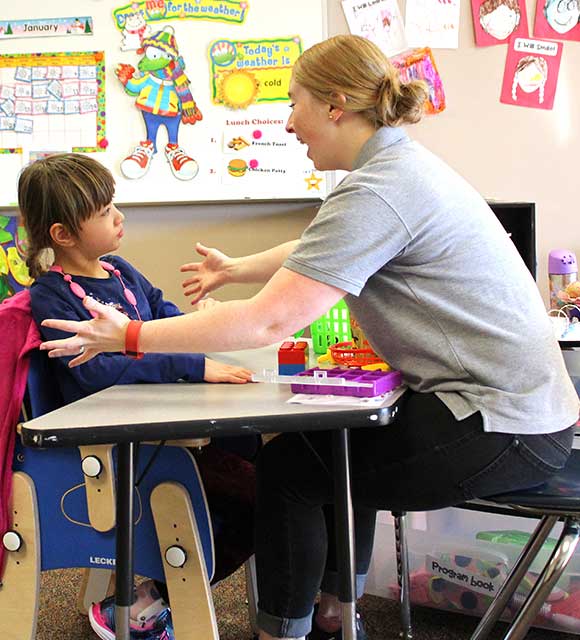
Social-emotional development in multiage classrooms has become an increasingly important aspect of alternative schooling and education. As educators and parents recognize the value of fostering well-rounded individuals, they are turning to multiage classrooms as a means to support social-emotional growth alongside academic learning.
In a traditional classroom setting, children are grouped primarily by age. However, multiage classrooms intentionally bring together students of different ages within a single class. This diverse mix allows for unique opportunities for social-emotional development that may not be present in single-grade classrooms.
One key benefit of multiage classrooms is the opportunity for peer mentoring and role modeling. Older students naturally take on leadership roles and act as mentors to younger peers. This dynamic fosters empathy, compassion, and responsibility among the older students while providing younger students with positive role models to emulate.
Research has consistently shown that this kind of inter-age interaction enhances social skills development. Younger children learn how to interact with others effectively by observing their older peers’ behavior and engaging in reciprocal relationships with them. They gain valuable insights into problem-solving strategies, conflict resolution techniques, and self-regulation skills through these interactions.
Moreover, multiage classrooms promote inclusive environments where diversity is celebrated rather than discouraged or ignored. Students from various backgrounds work side by side, creating an atmosphere that encourages tolerance, acceptance, and appreciation for differences. By experiencing diversity firsthand within their own classroom community, students develop greater cultural awareness and sensitivity towards others—an essential skillset in our increasingly interconnected world.
Another advantage of multiage classrooms lies in their ability to create a sense of belonging among students. Unlike traditional grade-level classes where competition can sometimes overshadow cooperation among peers vying for top positions academically or socially, multiage settings foster collaboration over competition.
With fewer direct comparisons based on age or grade level alone, students focus more on personal growth rather than trying to outperform each other. This cooperative environment cultivates healthy relationships built on trust and support, leading to increased self-confidence and a positive self-image. Students learn that their worth is not solely determined by grades or achievements but by their ability to contribute positively to the community.
Furthermore, multiage classrooms offer opportunities for children to develop and practice important social-emotional skills such as empathy, conflict resolution, and communication. As they interact with peers of different ages on a daily basis, students are exposed to a wide range of perspectives and opinions. This exposure encourages them to listen actively, respect others’ viewpoints, and work collaboratively towards common goals.
Teachers in multiage classrooms play a crucial role in promoting social-emotional development. They create classroom environments that foster positive relationships through team-building activities and cooperative learning projects. Teachers also provide explicit instruction on social skills such as active listening, expressing emotions appropriately, and resolving conflicts peacefully.
In summary, multiage classrooms provide unique opportunities for social-emotional development that may not be as readily available in traditional single-grade settings. By mixing students of different ages together in one class, these environments promote peer mentoring and role modeling while fostering inclusivity and belongingness among students from diverse backgrounds. Moreover, multiage classrooms encourage collaboration over competition while offering ample chances for children to develop essential social-emotional skills needed for success in school and beyond.
 Alternative Amie
Leave a comment