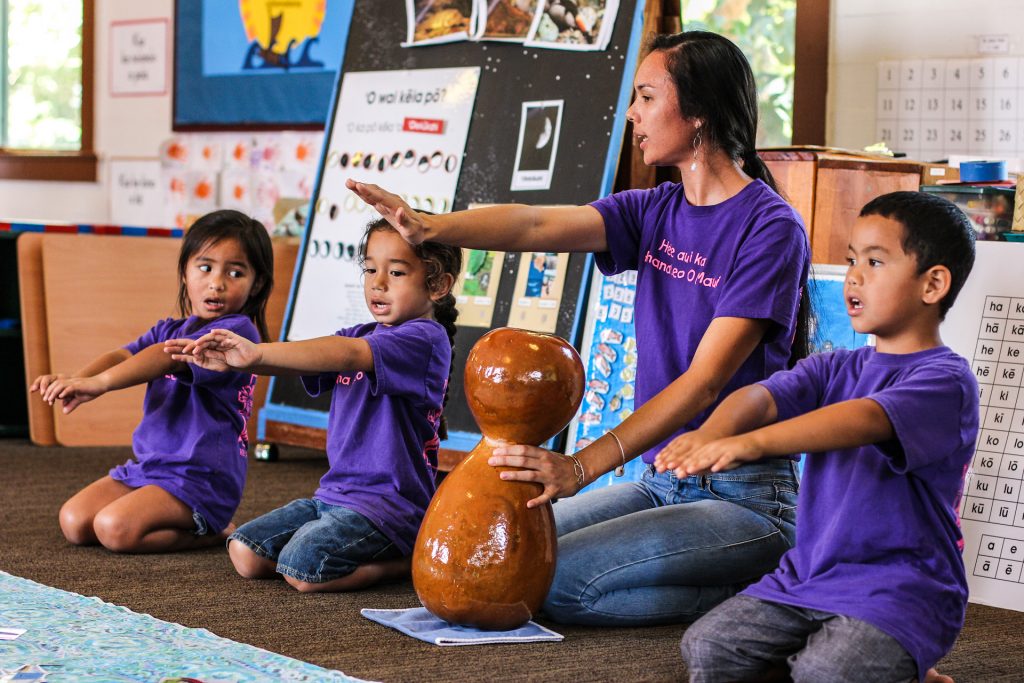
Cultural Immersion Experiences: Opening Doors to Alternative Schooling and Education
In today’s globalized world, traditional classroom settings may not always provide students with the diverse experiences necessary to thrive in an increasingly interconnected society. This is where cultural immersion experiences come into play. By exposing students to different cultures, languages, and customs, these experiences offer a unique approach to alternative schooling and education that goes beyond textbooks and lectures.
One of the most compelling aspects of cultural immersion experiences is the opportunity they provide for students to step out of their comfort zones and engage directly with new environments. Whether it’s living with a host family in another country or participating in a local community project abroad, immersing oneself in a foreign culture fosters personal growth and development like no other experience can.
To make these experiences truly impactful, many organizations design programs that combine academic learning with hands-on activities. For example, students might spend mornings attending language classes or workshops on local history and traditions. In the afternoons, they might venture out into the community to practice their newly acquired skills through interactions with locals or by participating in service projects.
The benefits of cultural immersion extend far beyond simply acquiring language skills or knowledge about a particular culture. Students also develop valuable life skills such as adaptability, empathy, open-mindedness, and resilience. These qualities are essential for success in an increasingly diverse world where cross-cultural understanding is crucial.
Additionally, cultural immersion experiences often promote self-discovery by encouraging participants to reflect on their own identities within the context of other cultures. Through this process of self-reflection and introspection, students gain insights into their own values, beliefs, strengths, weaknesses – ultimately leading them towards personal growth.
Another significant advantage of cultural immersion programs is that they foster meaningful connections between individuals from different backgrounds. By interacting closely with locals or fellow program participants who have diverse perspectives on life, students cultivate long-lasting friendships while breaking down stereotypes along the way.
Moreover, cultural immersion experiences can ignite a passion for global issues and inspire students to become active citizens of the world. Experiencing firsthand the challenges faced by communities in different parts of the globe encourages empathy and motivates young individuals to seek solutions that contribute positively to society.
It is worth mentioning that cultural immersion experiences are not limited to international settings alone. Within one’s own country or local community, there are often opportunities for students to engage with diverse cultures through activities such as volunteering at multicultural festivals or participating in exchange programs with schools from different regions.
In conclusion, cultural immersion experiences offer a transformative approach to alternative schooling and education. By stepping outside their comfort zones, students gain valuable insights into different cultures while developing essential life skills. These experiences foster personal growth, cultivate connections between individuals from diverse backgrounds, and inspire young minds to become active global citizens. Whether at home or abroad, every student should have the chance to immerse themselves in the rich tapestry of our world’s cultures – opening doors to new horizons and expanding their educational journey beyond conventional boundaries.
 Alternative Amie
Leave a comment