Microschools have gained popularity in recent years as an alternative form of education that offers a more personalized and flexible approach. One key aspect of microschools is their curriculum design, which focuses on individualized learning plans tailored to each student’s needs. Unlike traditional schools with rigid curricula, microschools allow for greater flexibility in content selection and pacing.
Curriculum design in microschools often emphasizes project-based learning and real-world applications. Students are encouraged to pursue their interests and passions while developing critical thinking, problem-solving, and collaboration skills. The curriculum is designed to be interdisciplinary, integrating subjects like science, math, language arts, and social studies into meaningful projects that encourage creativity and innovation.
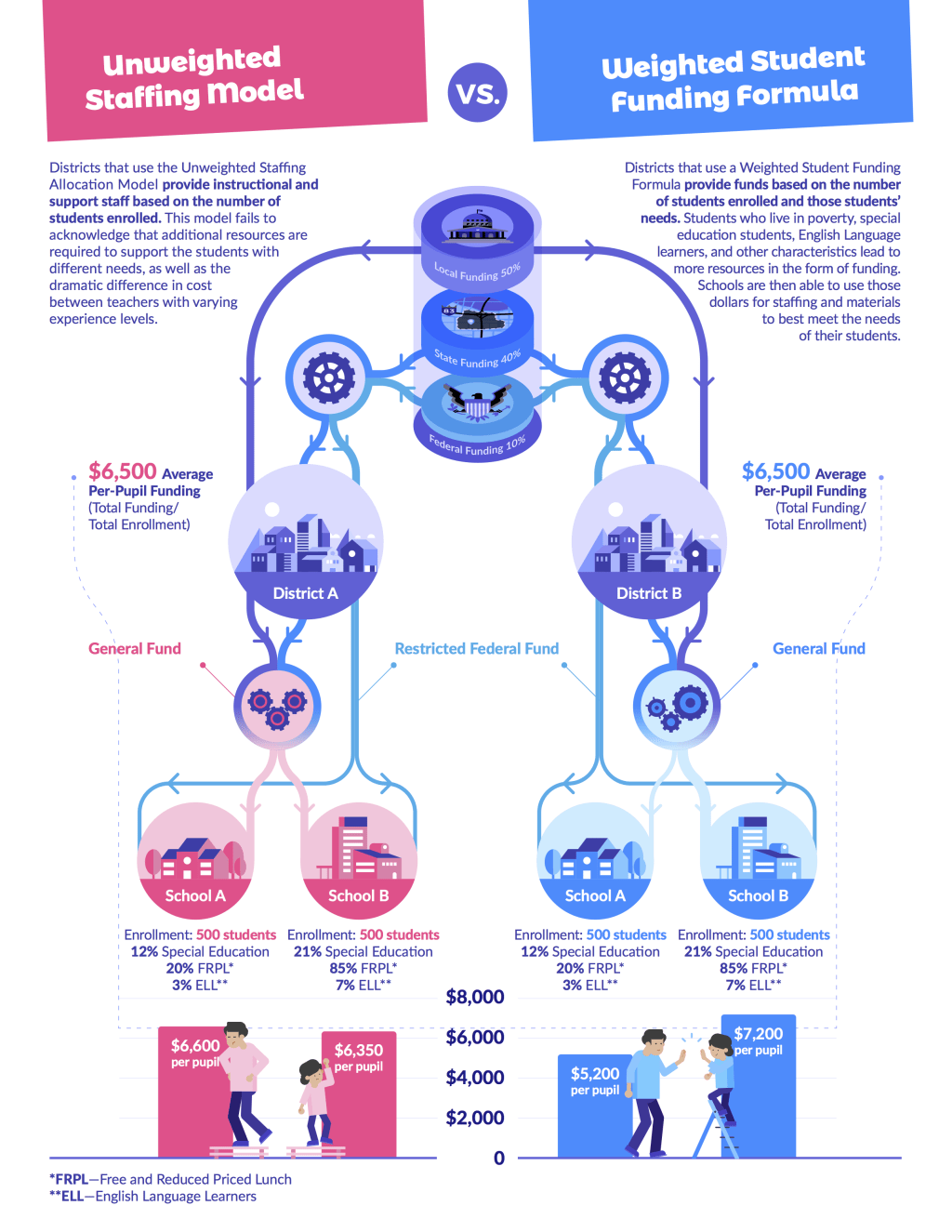
Funding models for microschools vary depending on the specific model and location. Some microschools operate as private institutions funded through tuition fees paid by parents or guardians. Others may receive funding from grants or donations from individuals or organizations interested in supporting alternative education initiatives. Additionally, some microschools explore partnerships with local businesses or organizations to secure financial support or resources.
Microschooling can also cater to children with special needs by providing a more individualized approach that meets their unique requirements. These schools often have specialized staff trained in working with students who have diverse abilities such as autism spectrum disorder (ASD), attention deficit hyperactivity disorder (ADHD), or learning disabilities. The curriculum is adapted to accommodate different learning styles and pace while ensuring necessary accommodations are provided.
Technology plays a crucial role in microschool environments by facilitating personalized learning experiences for students. It provides access to online resources, educational software, interactive platforms, virtual field trips, and collaborative tools that enhance the learning process. Technology also enables teachers to track student progress more effectively and tailor instruction accordingly.
Teacher training and professional development play a significant role in maintaining the quality of education offered by microschools. Teachers undergo specialized training focused on innovative teaching methods such as project-based learning facilitation techniques, differentiated instruction strategies for diverse learners, and effective use of technology in the classroom. Professional development opportunities are provided to keep teachers updated with the latest research and best practices in education.
Parent involvement is highly encouraged and valued in microschools. Parents are seen as partners in their child’s education journey, actively participating in decision-making processes, curriculum design, and school events. Parent-teacher communication is fostered through regular meetings, progress reports, and open-door policies.
Assessment methods used in microschools go beyond traditional standardized tests. The focus is on holistic evaluation that considers students’ individual growth, creativity, problem-solving abilities, collaboration skills, and critical thinking capabilities. Alternative assessment methods such as portfolios, presentations, projects, self-reflections or peer evaluations are employed to provide a more comprehensive picture of student achievement.
Microschooling places a strong emphasis on building socialization skills and fostering a sense of community among students. Despite having smaller class sizes compared to traditional schools, microschools ensure ample opportunities for social interaction through group projects, extracurricular activities like clubs or sports teams. Community involvement is also encouraged by organizing field trips to local businesses or organizations where students can learn from real-world experiences.
Transportation options may vary depending on the location of the microschool. Some microschools rely on parents providing transportation for their children while others may offer bus services within a limited radius. Carpooling arrangements among parents can also be facilitated to reduce commuting burdens.
Microschools have proven particularly beneficial for rural areas where access to quality education may be limited due to geographic constraints or lack of resources. Microschools help bridge this gap by providing localized educational opportunities tailored to the specific needs of rural communities while leveraging digital tools for enhanced learning experiences.
In conclusion, microschools offer innovative approaches to education that prioritize personalized learning plans and project-based curricula. Their funding models can vary but often involve tuition fees or partnerships with local businesses/organizations for financial support. Microschools cater not only to children with special needs but also emphasize the role of technology, teacher training, parent involvement, alternative assessment methods, socialization/community building, and transportation options. They can be particularly valuable in rural areas and offer unique opportunities for diverse learners.
 Alternative Amie
Leave a comment