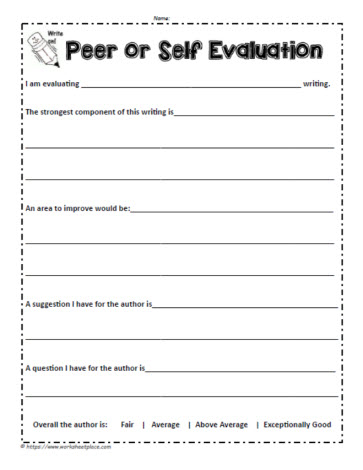
Promoting Self-Reflection through Peer Assessment in Alternative Education
In alternative education settings, where traditional grading systems may not be the primary focus, peer assessment can play a crucial role in promoting self-reflection and personal growth. Unlike conventional schools, alternative education encourages students to take ownership of their learning process and actively participate in evaluating their own progress. Peer assessment adds another layer to this by allowing students to receive feedback from their classmates, fostering a culture of collaboration and self-improvement.
One of the key benefits of peer assessment is that it enhances critical thinking skills. When students evaluate their peers’ work, they are required to analyze it objectively, identify strengths and weaknesses, and provide constructive feedback. This process encourages them to think deeply about the subject matter and develop a more comprehensive understanding of the topic being assessed. Additionally, when students engage in peer assessment, they often begin to recognize patterns or approaches that they might not have considered before, broadening their perspectives.
Furthermore, peer assessment promotes self-reflection by encouraging students to reflect on their own work while evaluating others’. As they assess their peers’ assignments or projects against specific criteria or rubrics established within the class community, they gain insights into how well they themselves meet those standards. This process prompts them to consider how effectively they communicate ideas or present information compared to others. It also provides an opportunity for self-assessment as students gauge whether they have met the expectations set forth within the assignment guidelines.
Peer assessment also fosters valuable soft skills such as effective communication and empathy. By providing feedback on each other’s work respectfully and constructively, students learn how to articulate their thoughts clearly while considering the feelings of others. These interpersonal skills are essential for success both inside and outside of academia.
In order for peer assessment to be successful in alternative education environments, teachers must establish clear guidelines for evaluation criteria and ensure that all participants understand these expectations. Regular reflection exercises can also help facilitate discussions among students about the effectiveness of the assessment process and any adjustments that may be needed.
In conclusion, encouraging self-reflection through peer assessment is a powerful tool in alternative education. It not only enhances critical thinking skills but also promotes personal growth and development. By actively engaging in the evaluation of their peers’ work, students gain valuable insights into their own strengths and weaknesses, fostering a sense of ownership over their learning journey. Alternative education settings can leverage this approach to create an environment where students become active participants in shaping their educational experiences while developing essential life skills.
 Alternative Amie
Leave a comment