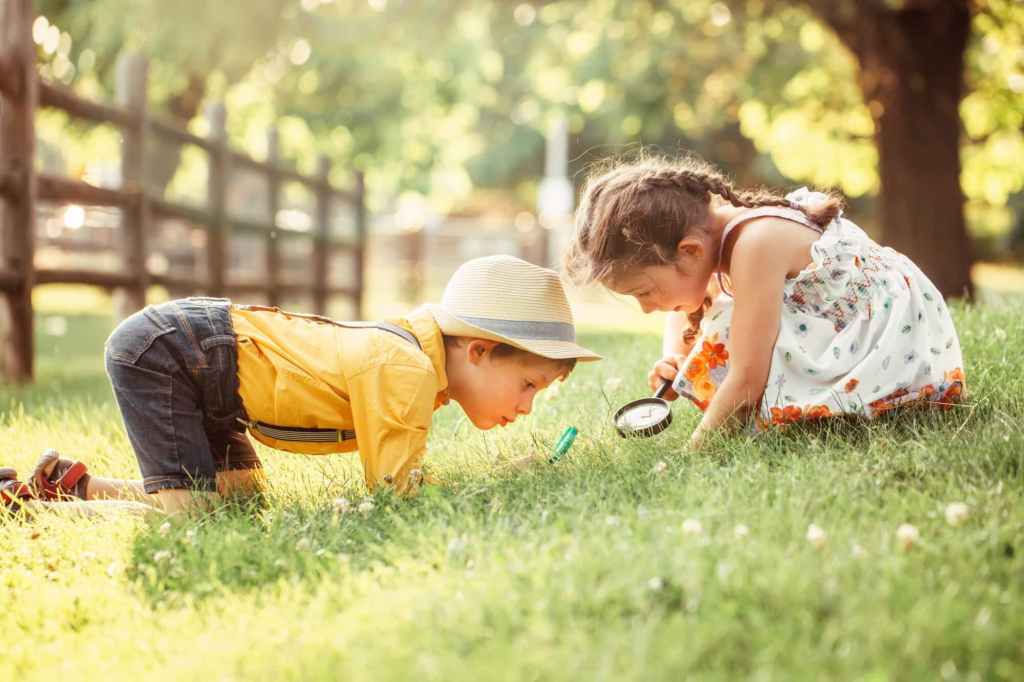
Nature-based education is a growing trend in alternative schooling and education. It offers a unique approach to learning by immersing students in the natural world, allowing them to explore, discover, and learn through hands-on experiences.
One of the key principles of nature-based education is that children are seen as active participants in their own learning. Instead of sitting at desks and listening to lectures, they are encouraged to engage with their surroundings and take an active role in their own education. This can involve activities such as hiking, gardening, wildlife observation, and even building shelters.
By spending time outdoors on a regular basis, students develop a deep connection with nature and gain a greater understanding of ecological systems. They learn about plants and animals firsthand, observe changes in the environment over time, and develop an appreciation for the natural world.
Nature-based education also emphasizes the importance of experiential learning. Instead of solely relying on textbooks or lectures, students have the opportunity to directly experience concepts they are learning about. For example, they may study photosynthesis by planting seeds and watching them grow into plants or learn about animal behavior by observing local wildlife.
Research has shown that nature-based education has numerous benefits for students. Spending time outdoors reduces stress levels and improves mental health. It also enhances creativity, problem-solving skills, physical fitness, and overall academic performance.
Furthermore, nature-based education fosters a sense of environmental stewardship among students. By developing an understanding of how ecosystems function and witnessing firsthand the impact humans can have on the environment, students become more aware of their own actions’ consequences on our planet.
There are various models for nature-based education programs available today. Some schools integrate outdoor activities into their curriculum while others provide specialized programs where most classes take place outside or at dedicated outdoor sites.
In conclusion, nature-based education offers an innovative approach to learning that takes advantage of our natural surroundings as a classroom. By connecting with nature through hands-on experiences and exploration, students develop a deep appreciation for the environment while gaining valuable knowledge and skills. Whether it’s identifying plants, studying animal behavior, or simply enjoying the beauty of nature, nature-based education provides a well-rounded education that benefits both students and our planet.
 Alternative Amie
Leave a comment