Design Thinking in Project-Based Learning
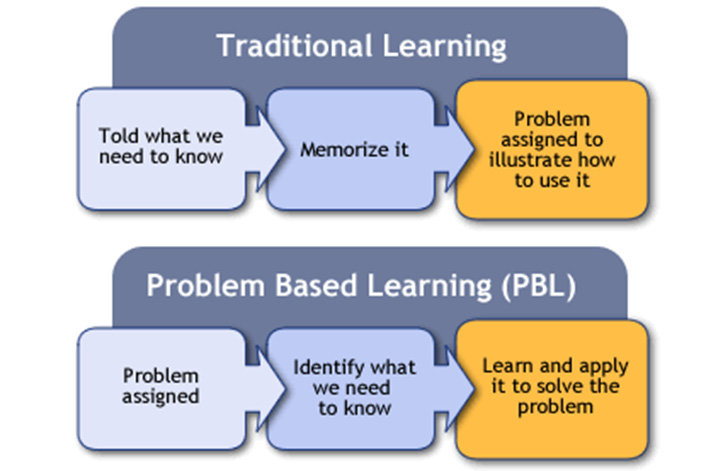
Project-based learning (PBL) is an effective educational approach that engages students in authentic, real-world tasks and challenges. It promotes active learning, critical thinking, and problem-solving skills. One way to enhance the effectiveness of PBL is by incorporating design thinking principles into the process.
Design thinking is a human-centered approach to problem-solving that emphasizes empathy, collaboration, experimentation, and iteration. It encourages students to think creatively and develop innovative solutions to complex problems. By integrating design thinking into PBL, educators can provide students with a structured framework for tackling projects.
Incorporating design thinking in PBL starts with empathizing with the end-users or stakeholders of the project. Students need to understand their needs, desires, and challenges before they can develop meaningful solutions. This involves conducting interviews or surveys, observing user behaviors, and gathering relevant data.
Once students have gained insights through empathy-building activities, they move on to defining the problem statement or challenge they will address in their project. This step helps them narrow down their focus and identify specific goals for their work.
The next phase is ideation where students generate as many ideas as possible without judgment or evaluation. They engage in brainstorming sessions individually or collaboratively to explore different possibilities and perspectives.
After generating a range of ideas, students then enter the prototyping stage where they start building prototypes or models of their proposed solutions. These prototypes can be physical products or digital simulations depending on the nature of the project.
Prototypes are not meant to be perfect; instead, they serve as tangible representations that allow for feedback from peers or potential users. This feedback informs iterative improvements until a viable solution emerges.
Finally, during the testing phase, students evaluate their prototypes against predetermined criteria such as functionality, usability, feasibility, and desirability. They collect data on how well their designs meet these criteria and make necessary adjustments based on user feedback.
Authentic Assessments in Project-Based Learning
In project-based learning, traditional assessments like tests and quizzes may not accurately measure students’ ability to apply knowledge and skills in real-world contexts. Authentic assessments offer a more comprehensive and meaningful way to evaluate student learning.
Authentic assessments involve assessing students’ performance on tasks that mirror real-life situations. These assessments can take various forms, including presentations, exhibitions, portfolios, performances, or simulations.
One example of an authentic assessment in PBL is a culminating exhibition where students showcase their projects to an audience of peers, teachers, parents, and community members. This provides a platform for students to demonstrate their understanding of the subject matter while also developing presentation and communication skills.
Another form of authentic assessment is the creation of portfolios. Portfolios allow students to compile evidence of their learning journey throughout the project. This evidence can include reflections on challenges faced, revisions made based on feedback received, and artifacts demonstrating mastery of specific skills or concepts.
By using authentic assessments in PBL, educators can assess not only content knowledge but also critical thinking abilities such as problem-solving, collaboration skills demonstrated through teamwork experiences within the project context.
Incorporating Technology into Project-Based Learning
Technology has become an integral part of our daily lives and offers numerous opportunities for enhancing project-based learning experiences. By incorporating technology tools into PBL activities educators can provide students with new ways to explore ideas collaborate with others share their work globally access vast resources etcetera
One way technology enhances PBL is by allowing for virtual collaborations across classrooms or even continents. Students can connect with peers from different cultural backgrounds collaborate on shared projects share resources exchange ideas all without leaving their classrooms thus expanding perspectives beyond their local communities.
Additionally technology tools such as online platforms video conferencing software productivity apps digital design software etcetera facilitate efficient communication organization planning documentation within pbl processes enabling seamless project management reducing logistical constraints increasing productivity among team members encouraging creativity innovation throughout the entire project cycle.
Moreover technology offers access to a wealth of information resources which students can leverage during their research phase. With just a few clicks, they can find articles, videos, tutorials, and other multimedia content that deepen their understanding of the subject matter and inspire new ideas.
Technology also allows for the creation of digital artifacts such as websites, videos, podcasts, or interactive presentations. These mediums provide opportunities for students to showcase their work in engaging and visually appealing ways while developing digital literacy skills.
In conclusion technology is an invaluable tool in project-based learning. By leveraging its capabilities educators can enhance collaboration expand global connections facilitate efficient communication access vast resources encourage creativity innovation develop essential digital skills among students thus making PBL experiences more meaningful impactful preparing students for success in 21st-century careers.
Project-Based Learning for Social-Emotional Development
Social-emotional development plays a crucial role in shaping children’s overall well-being and success both academically and personally. Project-based learning provides an ideal platform to foster social-emotional growth by creating authentic contexts where students can practice important skills such as self-awareness self-management social awareness relationship building decision-making etcetera
PBL inherently involves collaboration teamwork problem-solving communication and empathy all of which are essential components of social-emotional development.
One way PBL promotes social-emotional development is by encouraging self-reflection. Throughout the project process students reflect on their strengths weaknesses interests values emotions reactions working styles these reflections help them gain self-awareness better understand how they contribute within group settings identify areas personal growth further develop emotional intelligence communication adaptability resilience etcetera
Furthermore team projects require constant negotiation compromise effective communication between team members they learn to navigate conflicts disagreements resolve issues peacefully respectfully fostering relationship-building skills cooperation empathy active listening mutual respect trustbuilding all contributing positive classroom culture supportive learning environment conducive emotional development
Additionally PBL encourages decision-making problem-solving giving autonomy choice over aspects project allowing them make decisions based research analysis critical thinking skills they learn weigh options consider consequences make informed choices develop confidence ownership their work
Moreover PBL provides opportunities students engage community partners stakeholders external audiences. These interactions help develop social awareness empathy understanding diverse perspectives needs challenges fostering sense civic responsibility connection greater world around them.
In summary project-based learning offers rich conducive environment stimulating social-emotional development. By embedding opportunities self-reflection collaboration decision-making engagement with real-world contexts educators can foster essential skills competencies required students navigate thrive in today’s complex interconnected society
 Alternative Amie
Leave a comment