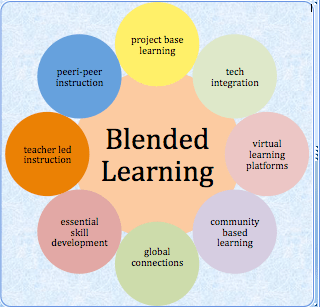
Addressing Equity and Access in Blended Learning
Blended learning has become increasingly popular in the education system as a way to combine traditional classroom instruction with online learning. It offers numerous benefits, such as personalized learning experiences and increased student engagement. However, like any educational approach, it is crucial to address equity and access to ensure that all students have an equal opportunity to benefit from blended learning.
Equity in education refers to providing fair and just opportunities for every student, regardless of their background or circumstances. Access, on the other hand, focuses on ensuring that all students have the necessary resources and tools needed to participate fully in blended learning. By addressing both equity and access, educators can create an inclusive environment where all students can thrive.
One of the main challenges when it comes to equity in blended learning is the digital divide. Not all students have access to reliable internet connections or devices at home. This issue disproportionately affects low-income families who may not be able to afford internet service or computers. To address this challenge, schools must provide adequate resources for these students, such as loaner laptops or Wi-Fi hotspots.
In addition to infrastructure issues, there is also a need for digital literacy training among both students and teachers. Many students may not be familiar with using technology for educational purposes or lack basic computer skills. Therefore, it is essential for educators to provide ongoing support and training so that every student feels confident navigating online platforms and completing assignments independently.
Another aspect of equity in blended learning involves ensuring that instructional materials are culturally relevant and representative of diverse perspectives. Students from different backgrounds should see themselves reflected in the curriculum they engage with. This includes incorporating texts written by authors of various ethnicities or featuring historical events from different cultures.
To promote equitable participation within blended learning classrooms, teachers should strive for inclusive practices that cater to individual needs. Differentiation strategies can be employed through adaptive software programs that provide personalized lessons tailored specifically to each student’s strengths and weaknesses. This approach helps to address the diverse learning styles and abilities of students, allowing for a more inclusive educational experience.
Addressing access in blended learning goes beyond just providing devices and internet connectivity. It also involves addressing additional barriers such as language proficiency or disabilities. For English language learners (ELLs), schools should consider offering bilingual programs or providing translation services to ensure that they have equal access to content and instructional materials.
Similarly, for students with disabilities, accommodations must be made to ensure that they can fully participate in blended learning environments. This may include providing assistive technology, closed captioning for videos, or alternative formats for written material.
Teachers play a crucial role in ensuring equity and access in blended learning classrooms. They must be mindful of their own biases while treating all students fairly and valuing their individual experiences. Creating an inclusive classroom environment where every student feels welcome and supported is essential for promoting equity.
Collaboration between educators, administrators, parents, and community members is vital when addressing equity and access issues in blended learning. Schools should actively seek input from all stakeholders to identify areas of improvement and implement necessary changes effectively.
In conclusion, while blended learning offers many advantages for students’ education journey, it is crucial to address equity and access issues to ensure that no student is left behind. By tackling the digital divide through infrastructure support and digital literacy training, incorporating culturally relevant curriculum materials, employing differentiation strategies based on individual needs, accommodating language proficiency levels or disabilities, promoting teacher awareness of biases while fostering an inclusive classroom environment – we can create equitable opportunities for all students within the realm of blended learning.
 Alternative Amie
Leave a comment