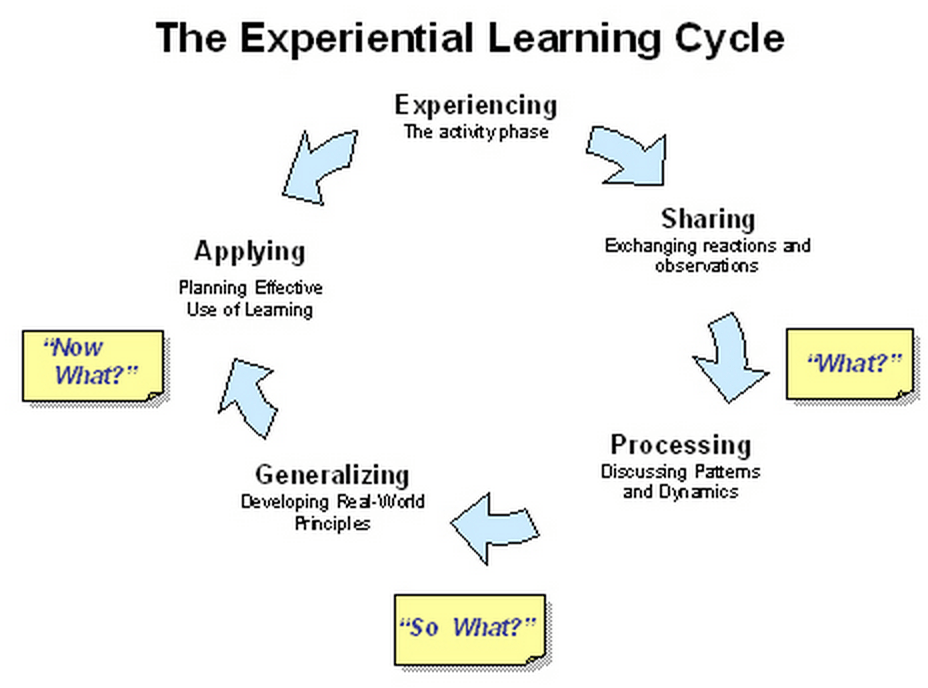
Experiential learning in alternative schools is a powerful educational approach that goes beyond traditional classroom instruction. It emphasizes hands-on experiences and real-world applications to enhance students’ understanding and knowledge retention. In alternative schools, this approach is even more prominent as it aligns with the overall philosophy of providing innovative and non-traditional education options.
1. Experiential learning encourages active participation and engagement among students. Instead of passively receiving information, they actively explore, experiment, and reflect on their experiences. This approach allows them to develop critical thinking skills, problem-solving abilities, and practical knowledge that can be applied in various contexts.
2. Incorporating service-learning into alternative education further enhances the impact of experiential learning. Service-learning involves combining community service with academic study to create mutually beneficial partnerships between students and their communities. By engaging in meaningful projects or activities that address community needs, students not only apply what they have learned but also develop empathy, compassion, and a sense of civic responsibility.
3. The role of community partnerships is crucial in alternative schooling models. Collaborating with local organizations, businesses, or institutions provides valuable resources for both educators and students alike. Community partnerships offer opportunities for mentorship programs, internships, guest speakers from different fields or industries that enrich the learning experience by connecting it to real-world situations.
4. Outdoor and nature-based education is another essential component of alternative schools’ curriculum design. Immersing students in natural environments promotes environmental awareness while fostering creativity and curiosity about the world around them. Whether through field trips or outdoor classes held in nature reserves or parks nearby, students gain a deeper appreciation for ecology while developing skills such as teamwork, resilience, problem-solving through hands-on experiences.
5. Artistic expression plays a significant role in community-based learning within alternative schools as well. Through visual arts like painting or sculpture-making workshops or performing arts like drama or music programs integrated into the curriculum-aligned activities, students can explore their creative potential and develop self-expression skills. Art also serves as a powerful medium to address social issues and engage in dialogue about diversity, inclusion, and social justice.
6. Integrating technology into alternative education settings is essential for preparing students for the digital age. Alternative schools often embrace innovative teaching methods by incorporating interactive online platforms or utilizing virtual reality tools that simulate real-world experiences. This approach not only enhances student engagement but also equips them with essential digital literacy skills needed in today’s society.
7. Social justice and equity issues are central topics within community-based learning approaches adopted by alternative schools. These environments provide opportunities for open discussions about inequality, discrimination, and systemic barriers present in society. Students engage in projects or initiatives that aim to address these challenges and promote positive change within their communities.
8. Alternative approaches to assessment and evaluation are necessary to measure student progress accurately within alternative schooling models. Traditional standardized tests may not fully capture the diverse skill sets developed through experiential learning practices. Instead, alternative schools often employ project-based assessments, portfolios of work samples, or performance evaluations that better reflect students’ abilities acquired through real-world experiences.
9. Community-based internships serve as valuable opportunities for alternative school students to gain practical work experience while still enrolled in school programs. These internships allow them to apply classroom knowledge directly in professional settings aligned with their interests or career aspirations under the guidance of mentors from various industries.
10. Building sustainable communities is a core principle of many alternative education models; they emphasize environmental responsibility and ethical citizenship among students who actively participate in sustainability initiatives like recycling programs, organic gardening projects, or energy conservation campaigns.
11.Cultivating empathy and compassion through community engagement is an integral part of community-based learning practiced by many alternative schools.Students participate in volunteer activities such as working at food banks,hospitals,nursing homes,and other community organizations.This allows them to develop a deep understanding of others’ experiences and to contribute positively to society.
12. Restorative justice practices are an essential aspect of alternative schooling environments, focusing on conflict resolution and building healthy relationships among students and staff members. By encouraging dialogue, active listening, and empathy, restorative justice practices enable alternative schools to create a safe and inclusive learning environment where conflicts are addressed in a constructive manner.
13. Addressing mental health and well-being is paramount within community-based learning programs offered by alternative schools. These institutions recognize the importance of promoting emotional well-being alongside academic achievement. They may provide counseling services or implement mindfulness exercises as part of the curriculum to support students’ mental health needs effectively.
14. Alternative approaches to teaching and curriculum development allow for flexibility in tailoring educational content that aligns with students’ interests, strengths, and learning styles. This personalized approach fosters engagement, motivation, and deeper understanding among learners while challenging traditional notions of standardized education.
15. Fostering cultural diversity and inclusivity is a priority within alternative schools as they strive to create inclusive spaces that honor diverse backgrounds,cultures,and perspectives.They often incorporate multicultural literature,discussions about social justice issues,and celebrate various cultural events throughout the school year.This promotes a sense of belonging,respect,and appreciation for all individuals in the school community.
16.Collaborative problem-solvingand project-based learning play a central role in community engagement initiatives within alternative schools.Students work together on real-world projects that require critical thinking skills,collaboration,time-management,and effective communication.These experiences prepare them for future careers where teamwork is vital for success.
17.Exploring career pathways through experiential education helps students gain insights into different professions or industries.This can be achieved through career fairs,speaker series,internships,and job-shadowing opportunities.Through hands-on experiences,in-depth discussions with professionals from various fields,the students can make more informed decisions about their future career paths.
18.Developing leadership skills through community involvement is another key aspect of alternative education.Students are encouraged to take on leadership roles in school clubs,community service projects,or extracurricular activities.This nurtures their confidence,critical thinking abilities,and the capacity to inspire and motivate others.
19.Supporting students with special needs within alternative education settings is a priority for inclusive schools.Educators strive to provide individualized support and accommodations that cater to each student’s unique learning style or challenges. This may include specialized instruction,assistive technology,and partnerships with specialists in the field of special education.
20.Environmental sustainability initiatives are highly valued within alternative schools as they aim to create environmentally conscious citizens who actively contribute to building a sustainable future.These initiatives can range from implementing recycling programs,to promoting renewable energy sources,to incorporating environmental science lessons into the curriculum.Through these endeavors,alternative schools instill a sense of responsibility towards the planet and encourage students to make eco-friendly choices throughout their lives.
In conclusion, alternative schooling embraces experiential learning approaches that go beyond traditional classroom instruction. It emphasizes hands-on experiences, community engagement, and real-world applications. Through various strategies such as incorporating service-learning opportunities,integrating technology,fostering cultural diversity,and addressing mental health concerns,alternative schools offer innovative educational models that prepare students for success in their personal lives and future careers while fostering social consciousness,responsibility,and empathy within them.
 Alternative Amie
Leave a comment