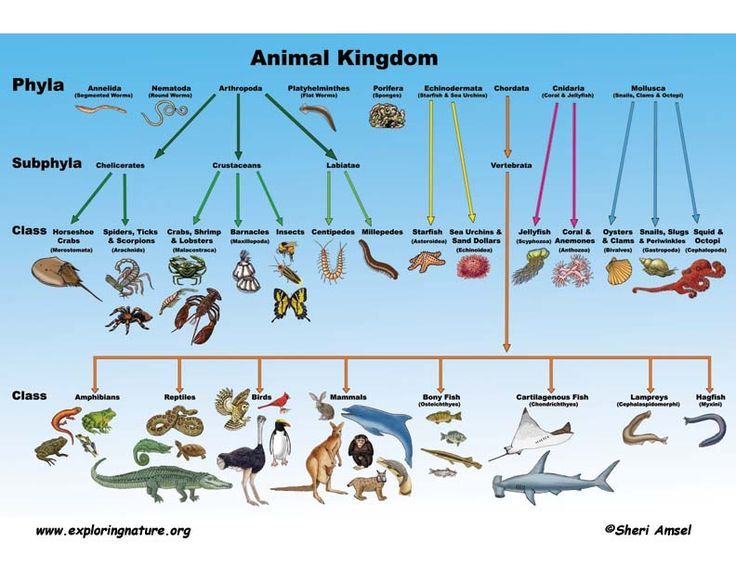
Zoology Studies: Exploring the Wonders of the Animal Kingdom
Introduction:
The study of zoology provides an exciting opportunity to delve into the diverse and fascinating world of animals. From tiny insects to majestic mammals, zoologists dedicate their lives to understanding and conserving these remarkable creatures. In this post, we will explore the field of zoology studies, its importance in education, career opportunities, and alternative approaches for students interested in pursuing this captivating discipline.
Importance of Zoology Studies:
Zoology studies play a crucial role in our understanding of biodiversity and ecological balance on our planet. By studying animal behavior, physiology, evolution, and habitats, zoologists contribute valuable knowledge that aids in conservation efforts and wildlife management. They also play a vital role in identifying new species, monitoring endangered populations, and researching potential solutions to pressing environmental issues.
Educational Pathways:
For those aspiring to become professional zoologists or work closely with animals as biologists or researchers, obtaining a degree is typically essential. A bachelor’s degree in zoology or a related field serves as a strong foundation for further specialization. However, it’s important to note that there are alternative pathways available for individuals interested in learning about animals without pursuing formal degrees.
Alternative Approaches:
1. Online Courses:
In recent years, online platforms have emerged as excellent resources for self-paced learning options. Several reputable universities offer online courses covering various aspects of zoology – from introductory classes to more advanced topics like marine biology or ornithology (the study of birds). These courses allow students to engage with experts through virtual lectures while providing flexibility to accommodate other commitments.
2. Wildlife Rehabilitation Centers:
Another way to gain practical experience is by volunteering at wildlife rehabilitation centers or animal shelters. These organizations provide hands-on opportunities working with injured or orphaned animals under professional guidance. While not specifically focused on academic coursework per se, these experiences foster an appreciation for wildlife care and conservation.
3. Field Research:
Participating in field research projects or internships offers an excellent learning experience for those interested in hands-on work with animals. Many non-profit organizations and research institutions offer such opportunities, allowing students to contribute to ongoing studies and gain practical skills while immersing themselves in the natural environment.
Career Opportunities:
Zoology studies open doors to a wide range of fulfilling career paths. Some common professions include:
1. Wildlife Biologist:
Wildlife biologists conduct fieldwork, collect data, and analyze information related to animal populations and their habitats. They often work on conservation projects, monitor endangered species, and develop strategies for sustainable wildlife management.
2. Zookeeper:
Zookeeper positions involve caring for animals within zoos or wildlife parks. Responsibilities may include feeding, cleaning enclosures, providing enrichment activities, assisting with breeding programs, and educating the public about various species.
3. Marine Biologist:
Marine biologists specialize in studying aquatic organisms found in oceans, seas, or freshwater bodies. They investigate marine ecosystems’ health status by examining factors such as water quality, population dynamics of marine life forms (like fish or coral), and impacts of human activities on these environments.
4. Animal Behaviorist:
Animal behaviorists study how animals interact with each other and their environment through observation and experimentation methods. Their research helps us better understand animal cognition, communication patterns, social structures, mating rituals,and adaptive behaviors.
5. Conservation Scientist:
Conservation scientists focus on preserving natural resources by developing plans that minimize negative impacts on ecosystems while promoting sustainable land use practices.They assess environmental regulations’ effectiveness,recommend improvements,and address issues like deforestation,habitat fragmentation,and climate change’s impact on biodiversity.
Conclusion:
Whether you choose to pursue formal education or explore alternative approaches to zoology studies,the field offers endless opportunities for learning about our planet’s incredible creatures.Studying zoology not only deepens our understanding of the animal kingdom but also contributes to conservation efforts and the long-term sustainability of our ecosystems.By combining academic knowledge with hands-on experiences,we can nurture a generation of individuals passionate about protecting and preserving the wonders of the natural world.
 Alternative Amie
Leave a comment