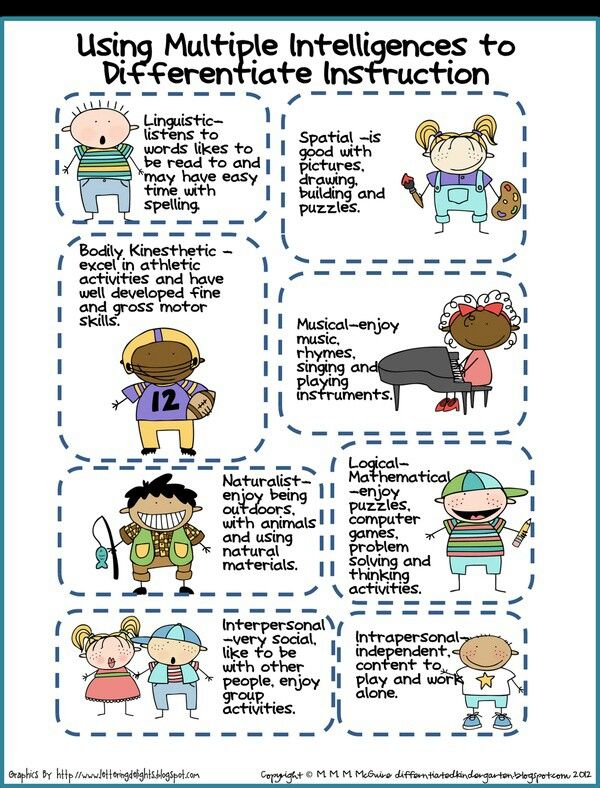
Differentiated instruction is an essential approach in education that recognizes the uniqueness of every student and aims to meet their individual learning needs. In a diverse classroom, where students come from different backgrounds, have varying abilities, and learn at different paces, it is crucial for educators to implement strategies that ensure all learners can thrive.
One of the key principles of differentiated instruction is recognizing and valuing diversity. Students bring with them a range of experiences, cultures, languages, and abilities that enrich the learning environment. By acknowledging these differences, teachers can create an inclusive classroom where each student feels valued and respected.
To effectively implement differentiated instruction, educators must first assess their students’ strengths and areas for growth. This assessment can take various forms such as observations, informal conversations with students, or more formal assessments like tests or quizzes. Understanding each student’s unique needs allows teachers to tailor their instruction accordingly.
Once the assessment phase is complete, teachers can begin adapting their teaching methods to meet the diverse needs of their students. Differentiation can occur in several ways:
1. Content: Teachers present information using multiple sources such as textbooks, articles, videos, or hands-on activities. This allows students to engage with material in a way that suits their learning style or ability level.
For example:
– English language learners may benefit from simplified texts or visual aids.
– Advanced learners may be challenged with more complex reading materials or additional research tasks.
2. Process: Providing options for how students access information and demonstrate understanding encourages active engagement in learning. Some students may prefer working individually while others thrive in group settings.
Teachers could offer choices such as:
– Written assignments
– Oral presentations
– Group projects
– Multimedia presentations
3. Product: Allowing students to showcase what they’ve learned through varied assessments provides opportunities for creativity and self-expression.
Options might include:
– Traditional written reports
– Visual displays
– Artistic creations (paintings or sculptures)
– Digital media (websites or podcasts)
4. Environment: The physical and emotional classroom environment plays a significant role in supporting diverse learners. Teachers should create spaces that promote inclusivity, respect, and collaboration.
Strategies include:
– Flexible seating arrangements
– Visual aids to support understanding
– Positive reinforcement and praise for all students’ contributions
5. Feedback: Providing timely feedback is crucial in helping students grow academically. Differentiated instruction involves recognizing individual progress and providing specific guidance tailored to each student’s needs.
Teachers can offer feedback through:
– One-on-one conferences
– Written comments on assignments
– Verbal praise during class discussions
It is important to note that implementing differentiated instruction requires ongoing reflection and flexibility from educators. Assessing the effectiveness of various strategies, monitoring student progress, and making adjustments as needed are essential components of this approach.
In conclusion, differentiated instruction recognizes the unique strengths, challenges, and learning styles of every student. By adapting content, process, product, environment, and feedback methods to meet individual needs, teachers can create an inclusive learning environment where all students have the opportunity to succeed. Embracing diversity in the classroom not only enhances academic achievement but also fosters empathy, understanding, and respect among learners – skills that are vital for success in our diverse society.
 Alternative Amie
Leave a comment