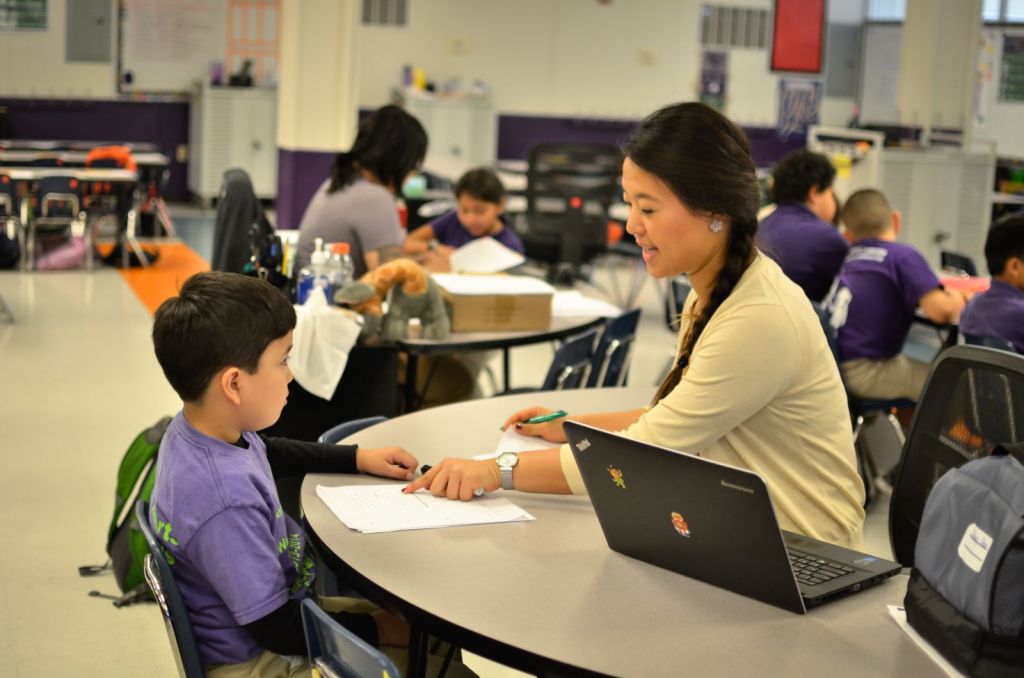
Personalized Learning Approaches: Tailoring Education to Every Student
In the traditional model of education, students often find themselves sitting in a classroom, listening to lectures, and following a standardized curriculum. However, this one-size-fits-all approach fails to address the unique needs and learning styles of individual students. Enter personalized learning approaches – an educational philosophy that aims to tailor instruction and create customized learning experiences for each student.
Personalized learning recognizes that every student is different. They have varied interests, strengths, weaknesses, and preferred ways of understanding and processing information. By providing tailored instruction based on these factors, educators can empower students to take ownership of their education while maximizing their potential.
The concept of personalized learning has gained significant attention in recent years due to advancements in technology and research supporting its effectiveness. This article will explore various personalized learning approaches and highlight how they benefit both students and educators.
1. Competency-Based Education (CBE): In a competency-based model, the focus shifts from seat time or completing a set number of assignments to mastering specific skills or competencies. Students progress at their own pace once they demonstrate mastery in each area. CBE allows for flexibility as it customizes the learning experience by identifying areas where additional support or challenges are needed.
2. Individual Learning Plans (ILPs): An ILP is a customized roadmap created for each student that outlines their academic goals, interests, strengths, weaknesses, and any necessary accommodations or modifications. It serves as a guide for both teachers and students by setting clear expectations for what needs to be achieved within a designated timeframe.
3. Differentiated Instruction: Differentiated instruction involves tailoring teaching methods and materials to meet the diverse needs of learners in the same classroom. Teachers design lessons using multiple instructional strategies such as small group work, independent projects, hands-on activities, or multimedia resources so that all students can access content at an appropriate level.
4. Project-Based Learning (PBL): PBL is an approach that allows students to explore and learn through engaging, real-world projects. Students work on complex problems or challenges, applying their knowledge and skills to find creative solutions. By working collaboratively and independently, they develop critical thinking, problem-solving, communication, and time management skills.
5. Adaptive Learning Technologies: With the advancements in technology, adaptive learning platforms have emerged as valuable tools for personalized instruction. These intelligent systems use algorithms to analyze student performance data and deliver targeted content based on individual needs. They adapt the difficulty level of exercises or quizzes in real-time to match each student’s proficiency level.
6. Choice-Based Learning: This approach empowers students by giving them more control over their learning experiences. It involves offering a range of topics or assignments from which students can choose based on their interests and preferences. This fosters intrinsic motivation as students are more likely to engage deeply with subjects they are passionate about.
7. Flipped Classroom: In a flipped classroom model, traditional teaching methods are reversed – lectures or instructional content is delivered outside of class through videos or online resources while class time is dedicated to interactive discussions, collaborative activities, and problem-solving tasks facilitated by teachers. This allows students to access educational materials at their own pace while receiving guidance when needed.
8. Mastery-Based Grading: Mastery-based grading focuses on assessing student understanding of specific concepts rather than averaging scores across various assignments or tests over time. Students must demonstrate mastery before moving on to the next topic or skill area. This ensures that gaps in learning are addressed promptly before progressing further.
Benefits for Students:
Personalized learning approaches offer several benefits for students:
1) Increased engagement: When education aligns with personal interests and goals, students become more engaged in the learning process.
2) Enhanced motivation: Personalization gives autonomy and choice to learners resulting in increased motivation levels.
3) Improved academic outcomes: Customized instruction helps address individual strengths and weaknesses, leading to improved academic performance.
4) Development of 21st-century skills: Personalized learning approaches foster critical thinking, problem-solving, collaboration, and communication skills – essential for success in the modern world.
Benefits for Educators:
Personalized learning approaches also benefit educators:
1) Enhanced job satisfaction: Seeing students thrive academically and emotionally through personalized approaches can be incredibly rewarding.
2) Better understanding of individual student needs: Personalization allows teachers to develop deeper connections with students by understanding their unique learning requirements.
3) Increased effectiveness of instruction: By tailoring lessons to individual needs, teachers can provide more effective instruction that meets diverse learning styles and preferences.
4) Data-driven insights: Adaptive technologies generate data on student progress, enabling teachers to make informed instructional decisions based on real-time information.
Implementing personalized learning approaches does not mean completely discarding traditional teaching methods. It involves finding a balance between standardization and customization. Educators should be equipped with the necessary training and support to implement these strategies effectively.
In conclusion, personalized learning approaches have gained traction as they recognize the diversity among learners and aim to cater to their individual needs. By implementing competency-based education, utilizing ILPs, differentiating instruction, embracing project-based or choice-based learning models, incorporating adaptive technologies like intelligent tutoring systems or virtual reality simulations – educators can create an inclusive environment where every student has an opportunity to excel. The benefits are multifaceted – increased engagement and motivation for students along with enhanced job satisfaction and effectiveness for educators. Embracing personalized learning is a step towards creating a more equitable educational experience for all learners.
 Alternative Amie
Leave a comment