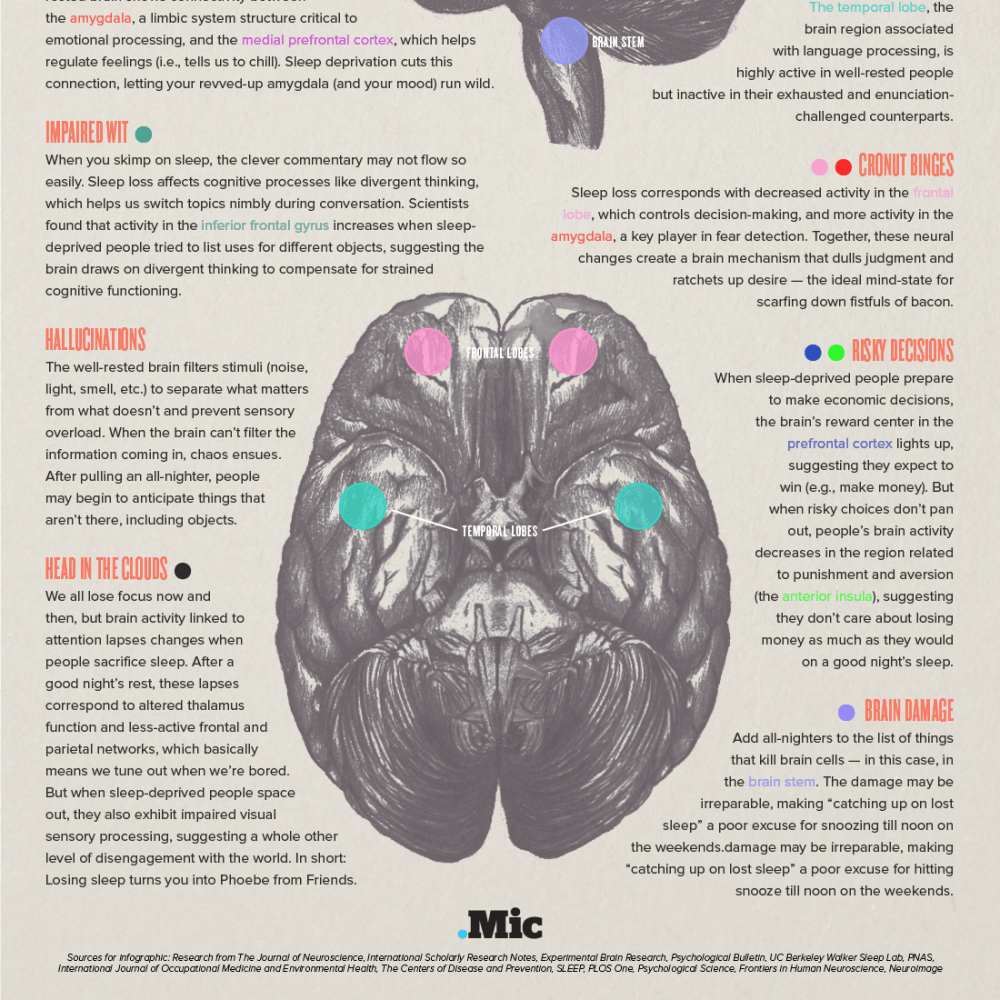
The Impact of Sleep Deprivation on Brain Function
Sleep is a fundamental aspect of our daily lives, and its importance cannot be overstated. It plays a crucial role in maintaining brain health and overall well-being. However, in today’s fast-paced world, sleep deprivation has become a common problem for many individuals, including students in alternative education programs.
Sleep deprivation occurs when an individual fails to get enough sleep on a regular basis. This can be due to various factors such as busy schedules, excessive workload, academic pressure, or even personal habits like staying up late watching TV or using electronic devices. Regardless of the cause, sleep deprivation can have significant implications for brain function.
One of the most immediate effects of sleep deprivation is impaired cognitive performance. Lack of sleep affects attention, concentration, and memory. Students who are chronically sleep-deprived may struggle to pay attention in class or retain information effectively. They may experience difficulties with problem-solving tasks and exhibit slower reaction times.
Recent research has shown that sleep plays a crucial role in memory consolidation – the process by which memories are transferred from short-term storage to long-term storage. During deep stages of sleep, the brain consolidates newly acquired knowledge and forms connections between different pieces of information. Thus, insufficient sleep can hinder this process and result in reduced retention and recall abilities.
Furthermore, chronic lack of sleep impairs executive functions – higher-order cognitive processes involved in planning, decision-making, impulse control, and emotional regulation. These functions are essential for successful learning experiences as they enable students to set goals effectively and manage their time efficiently.
In addition to these cognitive impairments caused by inadequate restorative sleep at night-time hours (insomnia), irregular sleeping patterns or inconsistent bedtimes disrupt circadian rhythms – the internal body clock that regulates our physiological processes throughout the day-night cycle.
Research has shown that irregular sleeping patterns negatively affect mood stability by disrupting neurotransmitter balance within certain areas responsible for regulating emotions, such as the amygdala and prefrontal cortex. This can lead to increased emotional reactivity, irritability, and even symptoms of depression or anxiety.
Sleep deprivation also impacts physical health by compromising the immune system’s ability to fight off infections. Students who do not get enough sleep are more prone to illness, which can result in missed school days and a decline in academic performance.
Given these detrimental effects of sleep deprivation on brain function and overall well-being, it is crucial for alternative education programs to prioritize promoting healthy sleep habits among students. Here are some strategies that can be implemented:
1. Educate students about the importance of sleep: Teach them about the science behind sleep and its role in cognitive functioning. Help them understand how lack of sleep affects their learning potential.
2. Set consistent bedtimes: Encourage students to establish regular sleeping schedules by going to bed at the same time every night and waking up at the same time each morning, including weekends.
3. Create a conducive sleeping environment: Ensure that classrooms or study areas are quiet, dark, and comfortable so that students can relax and fall asleep easily.
4. Limit exposure to electronic devices before bedtime: The blue light emitted from screens suppresses melatonin production – a hormone that regulates sleep-wake cycles. Encourage students to avoid using electronic devices at least an hour before bedtime.
5. Promote relaxation techniques: Teach students stress management techniques like deep breathing exercises or meditation that can help calm their minds before bedtime.
6. Encourage physical activity: Regular exercise has been shown to improve both sleep quality and duration. Incorporate physical activities into the daily routine of alternative education programs.
7. Provide opportunities for napping: If feasible, offer designated spaces where tired students can take short power naps during breaks or free periods if they did not get adequate rest at night.
8.Provide support for managing workload: Ensure that teachers have realistic expectations regarding homework assignments and exams, allowing students to have sufficient time for sleep.
In conclusion, sleep deprivation has a profound impact on brain function. It impairs cognitive performance, memory consolidation, executive functions, emotional regulation, and physical health. Therefore, it is crucial for alternative education programs to prioritize promoting healthy sleep habits among students. By implementing strategies that educate students about the importance of sleep, set consistent bedtimes, create conducive sleeping environments, limit exposure to electronic devices before bedtime, promote relaxation techniques and physical activity while providing support for managing workload – we can optimize brain function and overall well-being in alternative schooling environments.
 Alternative Amie
Leave a comment