Adaptive Learning Technology: Revolutionizing Education
In the age of rapid technological advancements, it is only natural that education evolves to keep pace with the changing times. One such innovation that has been making waves in the field of education is adaptive learning technology. Adaptive learning refers to a personalized approach to education where teaching methods and content are tailored to meet the specific needs and abilities of individual learners.
Gone are the days when all students were expected to learn at the same pace and follow a one-size-fits-all curriculum. With adaptive learning technology, students can now embark on educational journeys catered specifically to their strengths, weaknesses, and unique learning styles.
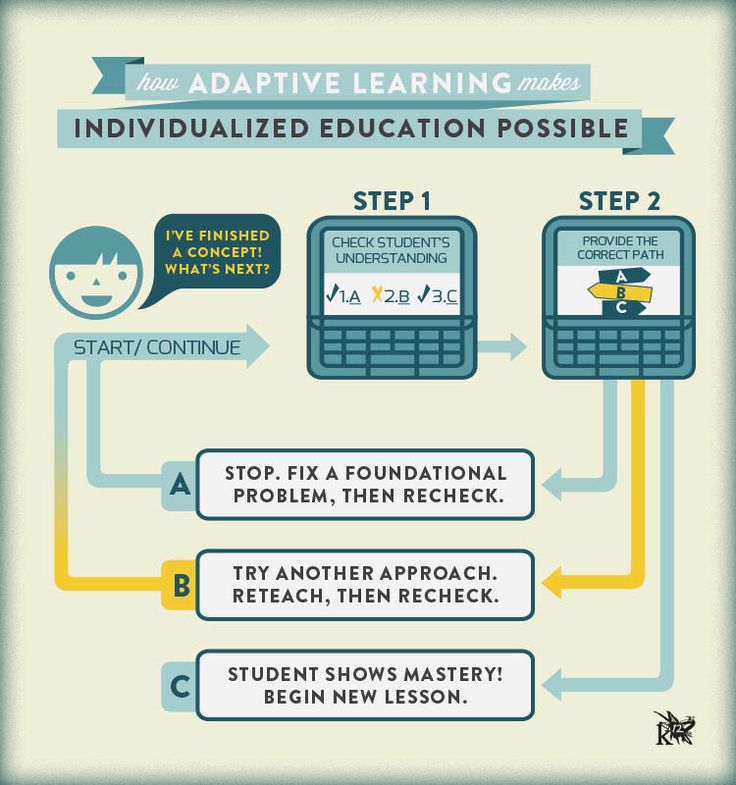
So how does adaptive learning work? Well, it starts with collecting data about each student’s performance through various assessments such as quizzes or tests. This data is then analyzed by intelligent algorithms that identify patterns in the student’s understanding or areas where they may need additional support. Based on this analysis, adaptive learning platforms generate personalized recommendations for each student, suggesting appropriate resources or activities that will help them improve.
One of the key benefits of adaptive learning technology is its ability to provide immediate feedback and remediation. Traditional classroom settings often lack individualized attention due to large class sizes. However, with adaptive learning tools, students receive instant feedback on their responses to questions or assignments. If they answer incorrectly or struggle with a concept, they are presented with alternative explanations or additional practice opportunities until mastery is achieved.
Moreover, adaptive learning technology allows for continuous progress monitoring. Teachers can track each student’s growth over time and intervene if necessary before any knowledge gaps become insurmountable obstacles. By identifying areas for improvement early on and providing targeted interventions accordingly, educators can prevent students from falling behind in their studies.
Another advantage offered by adaptive learning technology is increased engagement levels among students. Traditional lectures can sometimes be monotonous for certain individuals who might find it difficult to stay focused throughout an entire class period. With adaptive learning, students have the freedom to progress at their own pace and explore content through interactive multimedia resources. This hands-on approach not only enhances engagement but also promotes independent thinking and problem-solving skills.
Additionally, adaptive learning technology supports differentiated instruction. Every student is unique in terms of their abilities, preferences, and prior knowledge. Adaptive platforms can adapt to these differences by offering different levels of difficulty for various topics or providing alternative explanations for concepts that may be challenging for certain learners. This ensures that no student feels left behind or bored due to material being too easy or too difficult.
Furthermore, adaptive learning technology allows for a truly individualized educational experience. Students can choose the path they want to take within a subject area based on their goals and interests. For instance, if a student excels in mathematics but struggles with language arts, an adaptive platform will focus more on building language skills while allowing them to progress quickly in math.
Adaptive learning tools are not limited to traditional classrooms either; they can be utilized in homeschooling environments as well. Parents who choose alternative schooling methods can leverage adaptive technology to provide tailored education that suits their child’s specific needs without relying solely on standardized curricula.
It is important to note that while adaptive learning technology offers numerous advantages, it should not replace human teachers entirely. Teachers play a crucial role in guiding students’ overall educational journey by providing mentorship, guidance, and support beyond what any algorithm can offer.
In conclusion, adaptive learning technology has revolutionized education by personalizing instruction and empowering learners with individualized support systems. It caters to diverse learner needs while fostering engagement and independence within the classroom or homeschooling setting. As this innovative approach continues to evolve and improve over time with advancements in artificial intelligence (AI) and machine learning (ML), we can expect even greater strides toward creating inclusive educational experiences for all students.
 Alternative Amie
Leave a comment