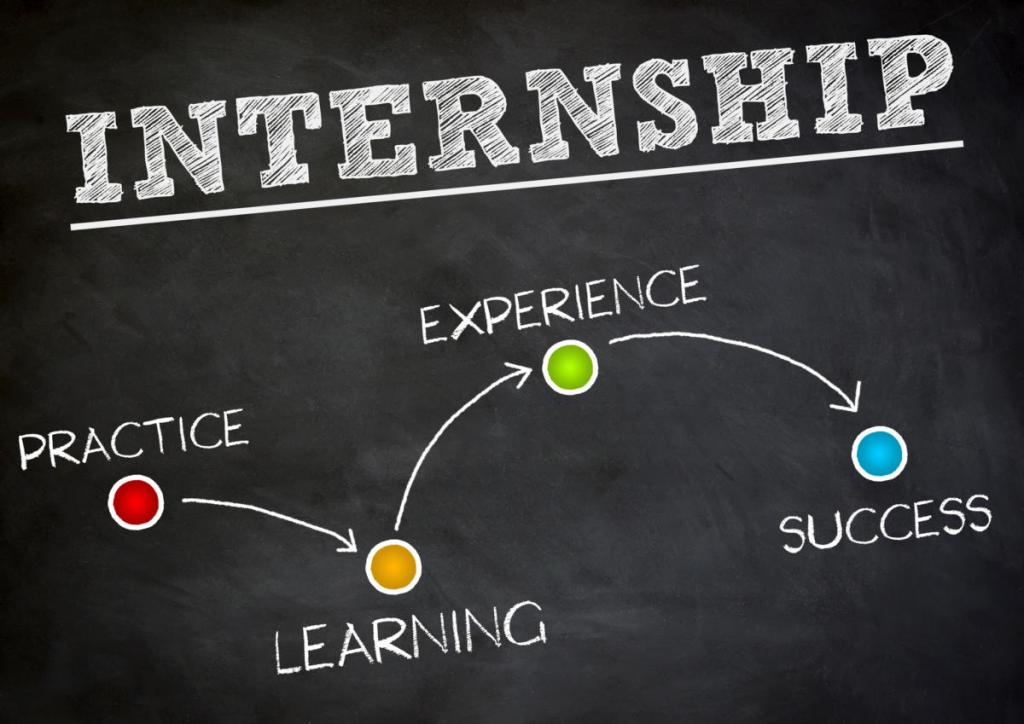
Internships: A Pathway to Practical Learning and Career Development
In the realm of alternative schooling and education, internships have emerged as a powerful tool for students to gain practical experience and enhance their learning outside traditional classroom settings. An internship provides an opportunity for individuals to immerse themselves in real-world work environments, putting theory into practice while developing essential skills and building connections within their chosen fields.
Historically, internships can be traced back to ancient times when young craftsmen would apprentice under skilled artisans to learn a trade. This idea of hands-on training has persisted throughout history, evolving alongside changes in society and economy. However, it was not until the late 19th century that formalized internship programs began emerging in universities, government institutions, and private organizations.
During this period of industrialization, institutions sought ways to bridge the gap between academia and industry by exposing students directly to professional experiences. Internship programs allowed students to supplement their theoretical knowledge with practical application, ensuring they were well-prepared for employment upon completion of their studies.
The concept gained traction during the early 20th century when large corporations established structured internship programs aimed at molding future leaders within their industries. These programs offered aspiring professionals the chance to work side-by-side with experienced mentors who guided them through various aspects of business operations.
Throughout the mid-20th century, internships became more prevalent across diverse sectors such as medicine, law enforcement, journalism, arts and culture, engineering – virtually any field where experiential learning could complement academic coursework.
The evolution of internships continued well into the late 20th century as educational institutions recognized its value in preparing students for competitive job markets. Colleges and universities started incorporating internships into curricula or offering optional credit-bearing opportunities for interested students.
With advancements in technology came new avenues for remote or virtual internships. Students could now participate in projects from anywhere around the globe without being physically present at organizations’ offices. This expanded the reach and accessibility of internships, enabling individuals to gain experience while balancing other commitments or geographical constraints.
Today, internships have become an integral part of alternative education. They offer students unique insights into their desired fields, allowing them to apply what they have learned in a real-world context. Interns gain exposure to industry practices, interact with professionals in their chosen field, and acquire transferable skills like communication, problem-solving, and teamwork – all of which are highly valued by employers.
Moreover, internships provide an opportunity for self-discovery. By engaging in hands-on work experiences outside traditional academic settings, individuals can better understand their own strengths and interests. This newfound self-awareness helps guide career decisions and fosters personal growth.
However, it is crucial to acknowledge that not all internships are created equal. Some unpaid internships have faced criticism for exploiting young talent by offering little more than menial tasks or lacking proper mentorship opportunities. To address this issue, regulations have been implemented in various countries to ensure fair treatment and appropriate compensation for interns.
Internship programs continue evolving alongside the changing needs of society and industries. In recent years, there has been a surge in social impact internships where students engage with organizations dedicated to addressing societal challenges such as poverty alleviation or environmental sustainability.
In conclusion, internships play a pivotal role in alternative schooling and education by bridging the gap between theory and practice. These practical learning experiences equip students with valuable skills while exposing them to professional environments early on. As we move forward into an increasingly competitive job market shaped by technological advancements, internships will remain instrumental in preparing individuals for successful careers across diverse fields.
 Alternative Amie
Leave a comment